
March – May
Montana fly fishingin spring: the guide
Your complete guide to spring fly fishing in Montana. Covers top flies, active species, best waters, and expert tips for March through May.
By Cade BagleyUpdated February 27, 2026Fact-checked with state agency data
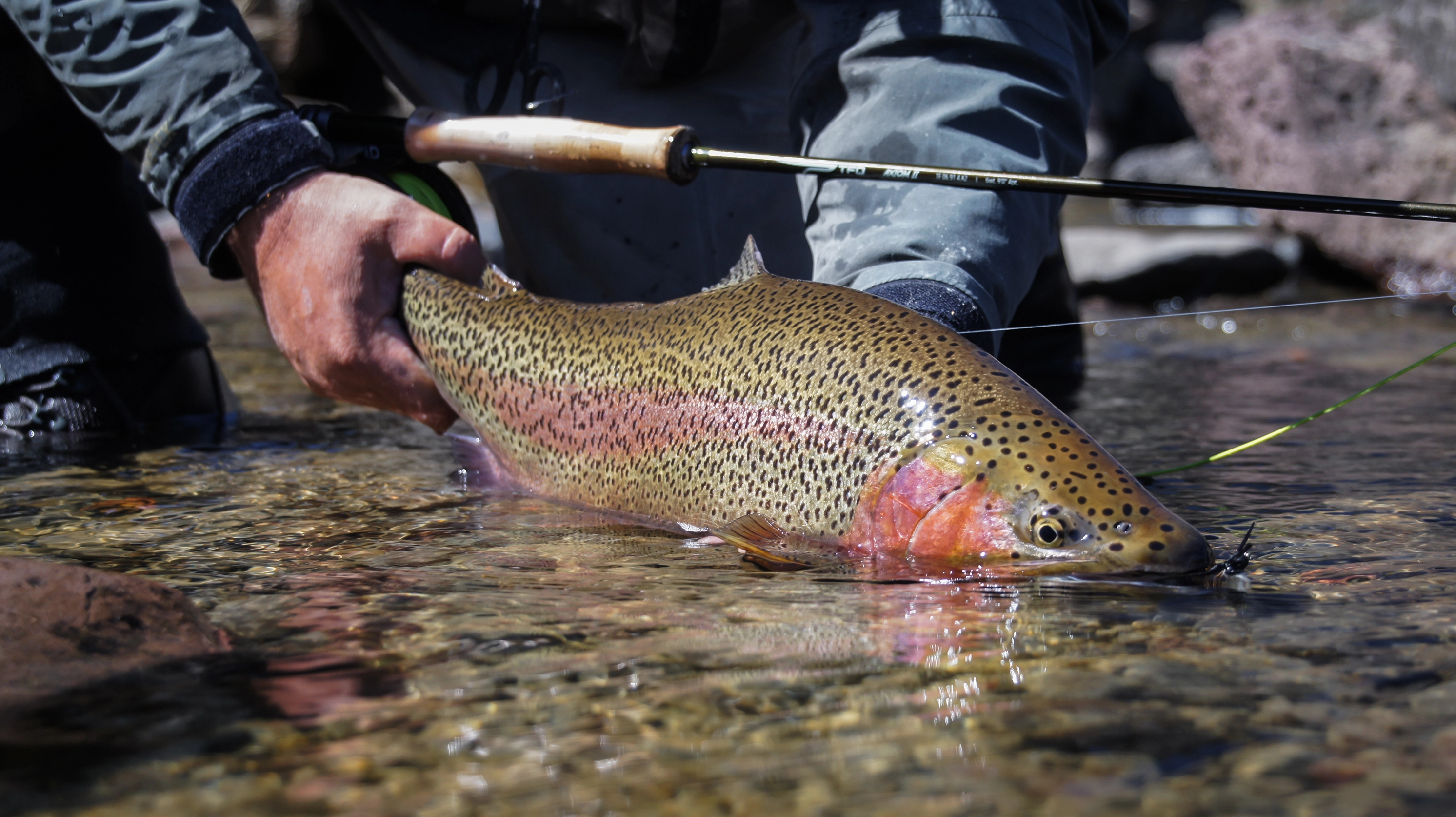
01The Spring Window
Spring in Montana transforms the state's waters from winter's dormancy into a feeding frenzy that defines the fly fishing calendar. Water temperatures climb from 38°F in March to the mid-50s by late May, triggering hatches that haven't been seen since October. The snowpack begins its retreat, delivering consistent flows and clearing water by April across most tailwaters and spring creeks. This is the season when brown trout abandon their winter lethargy and rainbow trout stage their spawning runs, creating opportunity windows that experienced anglers plan their entire year around.02Reading the Water: Spring Conditions
Montana's spring conditions follow predictable patterns, but timing varies by elevation and watershed. USGS flow data becomes essential reading during this transitional period.Water Temperature Windows
- March: 35-42°F — Midday fishing only, focus on tailwaters and spring creeks
- April: 42-48°F — Extended fishing windows, early hatches begin
- May: 48-58°F — Prime conditions, peak hatch activity
Flow Patterns by Water Type
- Tailwaters: Stable flows through March-April, slight increases in May
- Freestone rivers: Low and clear in March-April, rising with snowmelt by mid-May
- Spring creeks: Consistent flows, gradual warming throughout the season
03The Fly Box: Essential Spring Patterns
Spring fly selection centers on matching the progression of aquatic insect emergence and the behavioral changes in resident trout populations.Nymphs (70% of Spring Success)
- Prince Nymph: Sizes 12-16, black/peacock body
- Pheasant Tail Nymph: Sizes 14-18, natural and flashback versions
- Hare's Ear Nymph: Sizes 12-16, gold-ribbed
- Copper John: Sizes 14-18, red and copper variants
- San Juan Worm: Sizes 10-14, red and pink
Dry Flies (Late April-May)
- Blue Winged Olive: Sizes 16-20, Baetis patterns
- March Brown: Sizes 12-14, Rhithrogena morrisoni
- Adams: Sizes 14-18, universal attractor
- Elk Hair Caddis: Sizes 14-16, tan and olive
Streamers
- Woolly Bugger: Sizes 4-8, olive, black, and brown
- Zonker: Sizes 6-10, white and olive
- Slumpbuster: Sizes 6-8, natural and white
04Prime Waters
Montana's diverse water types provide distinct opportunities throughout the spring window. Each system requires specific tactical approaches based on structure, flow patterns, and resident fish behavior.Missouri River
The Missouri River below Holter Dam delivers the most consistent spring fishing in the state. Flows hold steady at 4,000-4,500 CFS through April, with water temperatures reaching fishable levels by mid-March.- Best sections: Wolf Creek Bridge to Cascade, Pelican Point area
- Prime techniques: Indicator nymphing with Prince Nymphs and Pheasant Tails
- Target species: Rainbow trout averaging 16-18 inches, with browns in deeper runs
- Access: Multiple FWP sites, wade carefully in high flows
Bighorn River
The Bighorn River produces Montana's most reliable dry fly fishing during spring BWO hatches. Water temperatures climb quickly in the shallow system, reaching 50°F by early April.- Hatch timing: BWO emergence 12:00-3:00 PM on overcast days
- Fly patterns: Size 18-20 Blue Winged Olives, RS2 emergers
- Best water: 3-Mile Access to Bighorn Access, walk and wade
- Fish behavior: Consistent surface feeding, technical presentations required
Madison River
The Madison River transforms from winter solitude to spring abundance as temperatures rise above 45°F. The system's freestone character means reading water structure becomes critical.- Prime sections: Ennis to McAllister, $3 Bridge area
- Early season: Deep runs and pools, nymph with indicators
- May patterns: March Brown hatches, streamer fishing at dawn
- Species mix: Brown trout in structure, rainbows in riffles
DePuy Spring Creek
DePuy Spring Creek offers technical fishing for educated trout in gin-clear water. The private access ensures less pressure but demands precise presentations.- Water characteristics: 52°F year-round, complex currents, selective fish
- Techniques: Long leaders (12-15 feet), drag-free drifts
- Patterns: Small terrestrials, BWO nymphs, midge clusters
- Fish average: 14-16 inches, extremely wary
05Species in Focus
Spring behavior patterns vary significantly among Montana's trout species, requiring targeted approaches for consistent success.Rainbow Trout
Rainbow trout begin spawning movements in March, concentrating in tributary mouths and gravel runs. Post-spawn fish become aggressive feeders by mid-April.- Prime feeding times: 10:00 AM - 4:00 PM during temperature peaks
- Preferred water: Moderate flows, 2-4 feet deep, gravel substrates
- Diet focus: Nymphs during pre-spawn, opportunistic feeding post-spawn
- Size expectations: 12-20 inches, with spawners reaching 24+ inches
Brown Trout
Brown trout emerge from winter lethargy gradually, remaining structure-oriented through April before becoming more active in May warming trends.- Location patterns: Deep pools, undercut banks, woody debris
- Feeding behavior: Opportunistic, responds to streamer presentations
- Best techniques: Streamer strips at dawn/dusk, deep nymphing midday
- Trophy potential: 18-24 inch fish common in prime systems
Cutthroat Trout
Cutthroat trout populations in systems like the Yellowstone show increased activity as water temperatures approach 50°F, particularly in tributary areas.- Spawning timing: April-May depending on elevation
- Feeding preferences: Surface-oriented when hatches occur
- Habitat selection: Slower water, protected lies
- Average size: 12-16 inches, with exceptional fish over 20 inches
06Techniques That Produce
Spring fly fishing success in Montana depends on adapting presentations to changing water conditions and fish behavior patterns.Indicator Nymphing
The dominant technique through April, indicator nymphing allows precise depth control in varying flows.- Indicator placement: 1.5x water depth from lead fly
- Weight distribution: Split shot 12 inches above lead fly
- Drift management: High-stick technique in faster water
- Strike detection: Watch for subtle indicator movements, not just stops
Dry Fly Strategies
Surface action peaks during midday warming periods and overcast conditions that trigger emergence activity.- Presentation approach: Downstream and across, long drag-free drifts
- Leader requirements: 12-15 foot tapered leaders, 5X-6X tippet
- Pattern selection: Match hatch size and color precisely
- Rise form reading: Sipping rises indicate BWOs, splashy rises suggest caddis
Streamer Fishing
Effective throughout spring for targeting aggressive post-spawn trout and opportunistic browns.- Retrieve patterns: Strip-pause-strip, vary cadence
- Water selection: Banks, drop-offs, current breaks
- Timing windows: First and last light, overcast conditions
- Equipment needs: 6-7 weight rods, sink-tip lines
"Spring trout feed with purpose after months of minimal activity. Match their urgency with confident presentations and decisive strikes."
07Local Intel
Experienced Montana guides share these spring-specific insights that separate productive days from frustrating ones.Timing Windows
- March: 11:00 AM - 3:00 PM only, focus on sunny south-facing banks
- April: 9:00 AM - 5:00 PM, extend into evening as temperatures rise
- May: All-day fishing possible, but dawn and dusk produce largest fish
Weather Patterns
- Overcast days: Trigger BWO hatches, extend fishing windows
- Barometric drops: Increase feeding activity 6-12 hours before fronts
- Warming trends: Best conditions after 3+ days of rising temperatures
Under-Pressured Options
- Beaverhead River: Technical fishing, large trout, minimal crowds
- Rock Creek: Freestone alternative when main rivers crowd up
- Gallatin River: Early season opportunities before runoff
08Gear Checklist
Spring conditions demand versatile equipment that handles temperature swings and varying water conditions.Rod Selection
- Primary rod: 9-foot 5-weight for 80% of situations
- Backup options: 4-weight for technical spring creeks, 6-weight for streamers
- Action preference: Medium-fast for versatility
Line Systems
- Floating line: Weight-forward taper for most presentations
- Sink-tip: 15-foot Type III for deep nymphing and streamers
- Leaders: 9-foot 4X standard, 12-foot 5X-6X for selective fish
Waders and Layers
- Wader type: Breathable chest-high with built-in gravel guards
- Wading boots: Felt or rubber soles depending on regulations
- Layering system: Merino base layer, fleece mid-layer, rain shell
- Accessories: Insulated gloves, warm hat, neck gaiter
Essential Tools
- Net: Rubber bag to protect fish, magnetic release
- Forceps: Long-nose for deep hook removal
- Nippers: Sharp for clean tippet cuts
- Indicators: Variety pack including foam, yarn, and Thingamabobbers
- Split shot: Assorted sizes for weight adjustment
09Regulations & Conservation
Montana's fishing regulations include specific spring provisions and conservation measures that protect spawning populations.License Requirements
Current nonresident licenses cost $86 for a two-day permit, $111 for the full season. Resident licenses are $21 annually. Montana Fish, Wildlife & Parks offers online purchasing with immediate validation.Special Regulations
- Missouri River: Rainbow trout slot limit (12-18 inches), one over 18 inches
- Bighorn River: Two fish limit, no bait restrictions
- Madison River: General regulations apply, five fish limit
- Spring creeks: Often private with specific rules, check access agreements
Spawning Closures
Some tributaries close during peak spawning periods (typically April 1-May 15). Check current FWP regulations before fishing smaller streams.Conservation Ethics
- Handle fish carefully: Wet hands, minimize air exposure
- Use barbless hooks: Required on many waters, recommended everywhere
- Respect spawning areas: Avoid fishing directly over redds
- Pack out all trash: Including tippet material and fly packages
10Sources & References
- Montana Fish, Wildlife & Parks - Official regulations, license information, and water access details
- USGS Water Resources Montana - Real-time flow and temperature data for all major rivers
- Trout Unlimited Montana - Conservation updates and habitat protection initiatives
- National Weather Service Missoula - Weather forecasts and conditions affecting fishing
- Montana FWP Stocking Reports - Current fish stocking schedules and population surveys
- Montana Fly Fishing Guides Association - Guide services and local water conditions
- Mountain Weather - Detailed weather forecasts for Montana watersheds
- StreamGages.com Montana - Simplified access to river flow information
Top Spring flies for Montana
Ranked by how often they show up in this season's reports.
dryMini DungeonExplicitly recommended in recent angler reports as an effective streamer for covering water and enticing aggressive strikes in high, cold runoff conditions on the Gallatin River.nymphSan Juan WormExplicitly recommended in recent angler reports and highly effective when the Gallatin River is off-color due to runoff, mimicking aquatic worms washed into the system.drySculpzillaExplicitly mentioned in recent angler reports as an effective streamer for targeting aggressive trout, imitating baitfish and sculpins in the current high, off-color conditions.dryParachute BWOExplicitly recommended in recent angler reports for consistent Blue-Winged Olive hatches, proving effective when fish are looking up in softer water during spring.nymphSow BugDirectly mentioned in angler reports, sowbugs are a critical year-round food source in the Missouri River tailwater's weedy sections.nymphTungsten Bead Pat's Rubber LegsExplicitly mentioned in recent angler reports as effective for heavier nymph rigs in high flows.nymphDouble Bead StoneExplicitly mentioned in recent angler reports as effective for heavier nymph rigs in high flows.nymphFrenchieA highly effective attractor nymph explicitly recommended in recent angler reports for strong subsurface performance.
Waters in Montana 22 to fish
- Beaverhead Riverriver
- Big Hole Riverriver
- Big Spring Creekspring creek
- Bighorn Riverriver
- Bitterroot Riverriver
- Blackfoot Riverriver
- Clark Fork Riverriver
- Dearborn Riverriver
- DePuy Spring Creekspring creek
- Flathead Riverriver
- Gallatin Riverriver
- Hebgen Lakelake
- Madison Riverriver
- Missouri Riverriver
- Poindexter Sloughspring creek
- Rock Creekcreek
- Ruby Riverriver
- Shields Riverriver
- Stillwater Riverriver
- Sun Riverriver
- Thompson Riverriver
- Yellowstone Riverriver
Fly shops nearby
Local flies, current advice and guided trips.
Need gear or a guide?
Find fly shops near Montana's best spring waters for local flies, advice and guided trips.
Ask an AI about this page