
Montana fly fishingin fall: the guide
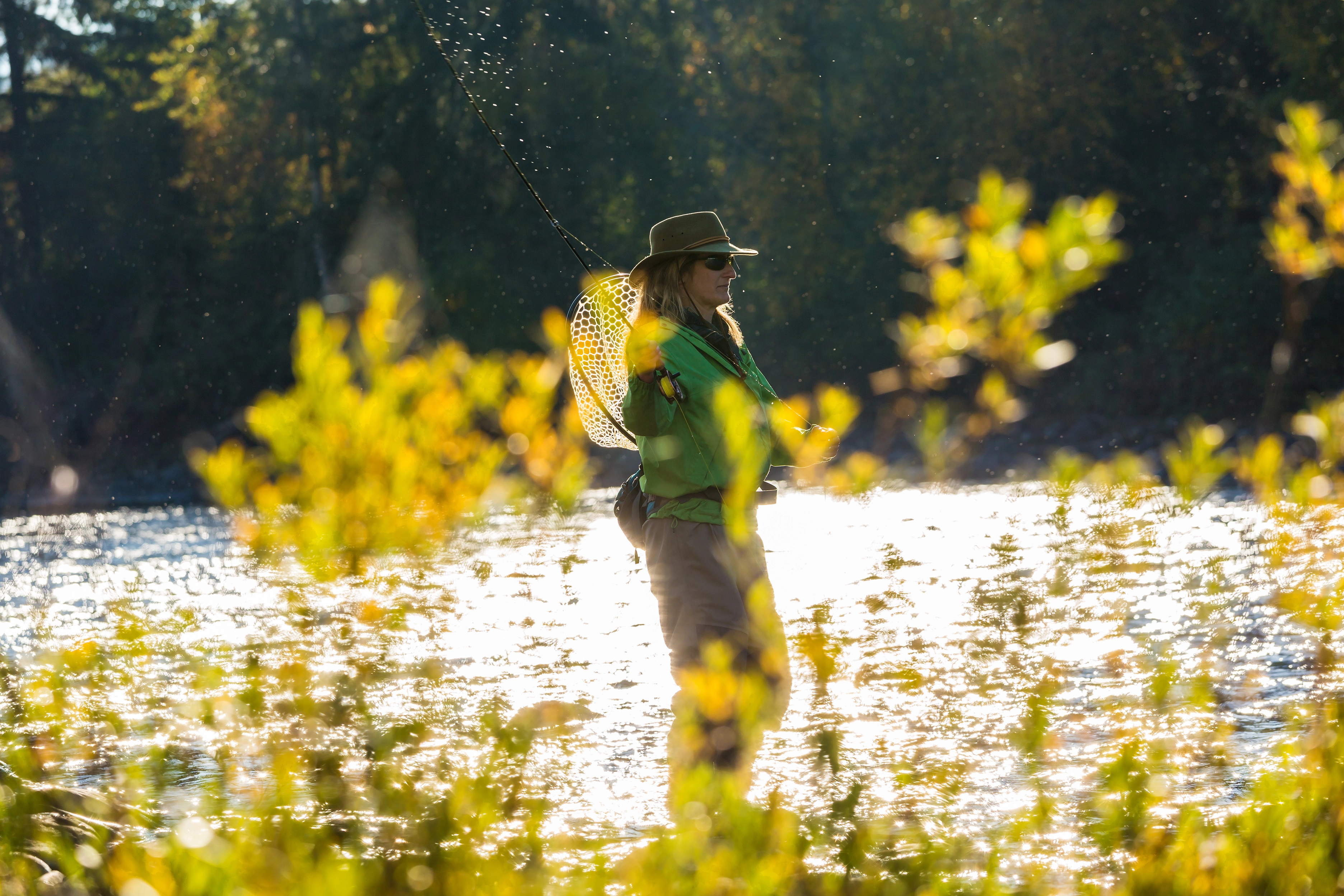
01The Fall Window
Montana's fall fishing season delivers some of the year's most consistent action, with water temperatures dropping from summer highs of 65-70°F to optimal feeding ranges of 45-55°F by late October. USGS flow data shows most rivers stabilizing after irrigation season ends, creating predictable conditions that last through November.
The combination of cooling water, increased insect activity, and pre-winter feeding behavior makes September through November prime time across the state. Brown trout become increasingly aggressive as spawning approaches, while rainbow trout feed heavily to build winter reserves.
02Reading the Water: Fall Conditions
Fall fishing success hinges on understanding seasonal water dynamics. By mid-September, most Montana rivers drop from peak summer flows to manageable levels, typically 200-800 CFS on major systems like the Madison River.
Water Temperatures & Timing
- September: 55-65°F, peak terrestrial activity
- October: 45-55°F, brown trout spawn preparation
- November: 35-45°F, focus on deeper pools and slower water
Hatch Activity
- Blue-Winged Olives (BWO): September-November, sizes #18-22, strongest on overcast days
- October Caddis: Late September through October, size #16, afternoon emergence
- Midges: Year-round, sizes #20-24, most active during warm afternoons
- Terrestrials: Hoppers, ants, beetles through October freeze
Weather patterns shift dramatically after Labor Day. Morning temperatures often drop below freezing by late October, while afternoons can still reach 60-70°F. This temperature swing creates prime fishing windows from 10 AM to 4 PM when insect activity peaks.
03The Fly Box: Essential Fall Patterns
Fall fishing demands versatility. Trout feeding patterns shift from opportunistic surface feeding to selective subsurface hunting as water temperatures drop.
Dry Flies
- Blue-Winged Olive: Sizes #18-22, essential for October-November hatches
- Parachute Adams: Size #16-18, reliable all-season attractor
- October Caddis: Size #16, orange body crucial during afternoon emergence
- Chernobyl Ant: Size #8-12, terrestrial attractor through early October
Nymphs & Emergers
- Pheasant Tail Nymph: Sizes #16-20, BWO emerger imitation
- Copper John: Size #16-18, weighted point fly for deep runs
- Zebra Midge: Size #20-22, black and red patterns most effective
- Hare's Ear Nymph: Size #14-16, versatile caddis pupa imitation
Streamers
- Woolly Bugger: Size #6-10, olive and black most productive
- Sculpzilla: Size #4-6, articulated sculpin pattern for aggressive browns
- Sparkle Minnow: Size #6-8, baitfish imitation in clear water
Rigging Recommendations
- Dry-dropper: Terrestrial or caddis with 18-inch 5X tippet to BWO nymph
- Double nymph: Weighted point fly with unweighted dropper 12-16 inches above
- Indicator setup: Strike indicator 1.5x water depth, adjust for current speed
04Prime Waters
Montana's diverse river systems offer distinct fall fishing experiences. Each watershed presents unique challenges and opportunities as conditions change through autumn.
Missouri River
The Missouri River below Holter Dam provides consistent flows and temperatures through fall. Water temps rarely drop below 40°F, extending the fishing season well into November.
- Best sections: Craig to Cascade, consistent BWO hatches
- Access points: Craig boat launch, Pelican Point
- Target species: Rainbow trout and brown trout
- Prime techniques: Nymph rigs in 4-8 feet of water
Bighorn River
The Bighorn River below Yellowtail Dam offers trophy opportunities through November. The tailwater maintains 45-50°F water temps even as air temperatures plummet.
- Best sections: Afterbay Dam to Two Leggins
- Fall patterns: Size #20-22 midges, sowbugs, and scuds
- Technique focus: Long leaders (12-15 feet) and light tippet (6X-7X)
Madison River
The Madison River transitions from freestone character above Ennis Lake to spring creek conditions below. Fall brown trout spawning runs create exceptional opportunities.
- Upper Madison: Terrestrial patterns through September
- Lower Madison: BWO hatches and streamer fishing
- Timing: October brown trout migration peaks around Columbus Day
Yellowstone River
The Yellowstone River from Livingston to Billings provides diverse fall fishing. Cooling water concentrates trout in predictable holding areas.
- Livingston area: October caddis emergence, streamer fishing
- Paradise Valley: Brown trout spawning activity in tributaries
- Lower reaches: Focus on deeper pools and undercut banks
05Species in Focus
Fall fishing success requires understanding how different species respond to seasonal changes. Feeding behavior, habitat preferences, and activity patterns all shift as water temperatures drop.
Brown Trout Behavior
Brown trout become increasingly aggressive as spawning season approaches. Peak activity occurs from mid-October through November, with fish moving into tributary mouths and gravel beds.
- Pre-spawn feeding: Heavy calorie intake before spawning stress
- Territorial aggression: Streamers trigger strikes from protective males
- Time windows: Early morning (6-9 AM) and late afternoon (3-6 PM)
- Location patterns: Move from deep pools to shallow spawning areas
Rainbow Trout Patterns
Rainbow trout feed aggressively through fall to build fat reserves for winter. Unlike browns, they remain in feeding lies rather than moving to spawn.
- Consistent feeding: Less behavioral change than browns
- BWO focus: Surface feeding during mayfly emergences
- Deep water preference: Move to pools and slower runs as water cools
Mountain Whitefish Activity
Mountain whitefish become more active as water temperatures drop. These native species often outnumber trout in fall fishing success.
- Temperature preference: Most active in 35-45°F water
- Feeding habits: Bottom-oriented, respond to small nymphs
- Seasonal movement: Congregate in deeper pools and slower runs
06Techniques That Produce
Fall fishing demands technical precision as trout become more selective with dropping water temperatures. Presentation quality often matters more than fly selection.
Nymphing Strategies
- High-sticking: Keep line off water in pocket water and short runs
- Euro-nymphing: Direct contact methods excel in clear fall water
- Indicator positioning: Adjust depth frequently as fish move to winter lies
- Weight selection: Use minimal weight to maintain natural drift
Dry Fly Tactics
- Exact imitation: Match BWO size and color precisely during hatches
- Presentation angle: Approach from downstream to avoid spooking fish
- Drag-free drift: Mend aggressively in complex currents
- Extended dead drift: Let flies drift 20-30 feet past target water
Streamer Approaches
- Swing technique: Cast across and let fly swing through feeding lanes
- Strip variation: Long, slow strips mimic injured baitfish
- Target structure: Focus on undercut banks, logjams, and deep pools
- Retrieval speed: Slower presentations work better as water cools
"Fall trout are like big game hunters preparing for winter—they're focused, aggressive, and opportunistic. Give them something substantial worth chasing." — Montana guide wisdom
07Local Intel
Experienced Montana guides share insights that separate successful fall anglers from the frustrated. These details make the difference between good days and great ones.
Weather Reading
- Barometric pressure: Falling pressure triggers feeding activity
- Cloud cover: Overcast days extend BWO emergence windows
- Wind direction: Southwest winds bring warm air and insect activity
- Temperature swings: 40°F swings create afternoon feeding opportunities
Timing Windows
- Early season (September): Focus on terrestrial activity during warm afternoons
- Mid-fall (October): Prime time 11 AM-3 PM for mayfly emergences
- Late fall (November): Narrow window 12-2 PM when water warms
Lesser-Known Opportunities
- DePuy Spring Creek: Consistent fall fishing with technical challenges
- Beaverhead River: Trophy browns during October spawning migration
- Big Hole River: Late-season terrestrial fishing below Divide
Local Conditions
According to Trout Unlimited habitat assessments, fall water clarity often exceeds summer conditions as algae growth diminishes. This clarity demands longer leaders and more precise presentations.
08Gear Checklist
Fall fishing requires gear adjustments for changing conditions. Temperature swings and variable weather demand preparedness and versatility.
Rod Selection
- 4-weight, 9-foot: Ideal for BWO dry flies and light nymph rigs
- 5-weight, 9-foot: Versatile choice for mixed techniques
- 6-weight, 9-foot: Better for streamer work and windy conditions
Line Systems
- Weight-forward floating: Primary line for 90% of fall fishing
- Sink-tip: Useful for deep pools and streamer fishing
- Leader length: 9-12 feet standard, up to 15 feet on clear tailwaters
- Tippet material: 4X-6X fluorocarbon for subsurface, 5X-6X for dry flies
Wading Gear
- Chest waders: Neoprene or breathable with fleece lining
- Wading boots: Felt or rubber soles based on local regulations
- Traction devices: Korkers or studs for icy morning conditions
Clothing Layers
- Base layer: Merino wool or synthetic moisture-wicking material
- Insulation: Fleece or down vest for temperature regulation
- Shell layer: Waterproof/breathable jacket for weather protection
- Accessories: Insulated gloves, warm hat, neck gaiter
Essential Tools
- Nippers: Sharp cutters for clean tippet cuts in cold weather
- Hemostats: For hook removal and knot tying
- Strike indicators: Multiple sizes and colors
- Split shot: Removable weight for depth adjustment
- Net: Rubber mesh to protect fish during cold-water releases
09Regulations & Conservation
Montana's fall fishing regulations include special provisions for spawning trout protection. Montana Fish, Wildlife & Parks updates regulations annually with seasonal closures and special restrictions.
License Requirements
- Resident license: Required for Montana residents
- Non-resident license: Available as annual or 2-day options
- Conservation license: Additional fee supports habitat projects
Fall-Specific Regulations
- Spawning closures: Some tributaries close October 1-November 30
- Bait restrictions: Artificial flies and lures only on many waters
- Possession limits: Varies by water, many areas catch-and-release only
Ethical Practices
- Spawning fish: Avoid targeting fish on redds (spawning beds)
- Cold water releases: Minimize fight time and handle fish carefully
- Leave No Trace: Pack out all trash, respect private property
Cold-water fish handling becomes critical as temperatures drop. Fish stressed in water below 40°F recover more slowly and face higher mortality rates. Use barbless hooks and minimize handling time.
10Sources & References
- USGS Water Resources - Montana Real-Time Stream Flow Data
- Montana Fish, Wildlife & Parks - Fishing Regulations and Licensing
- Trout Unlimited - Conservation and Habitat Information
- National Weather Service - Missoula Office Montana Weather
- Montana Wildlife Federation - Conservation and Access Information
- Montana Stream Access Map - Public Fishing Access Points
- Montana State University Extension - Aquatic Invasive Species Prevention
- Yellowstone National Park - Fall Fishing Regulations and Conditions
Top Fall flies for Montana
Ranked by how often they show up in this season's reports.
Waters in Montana 22 to fish
- Beaverhead Riverriver
- Big Hole Riverriver
- Big Spring Creekspring creek
- Bighorn Riverriver
- Bitterroot Riverriver
- Blackfoot Riverriver
- Clark Fork Riverriver
- Dearborn Riverriver
- DePuy Spring Creekspring creek
- Flathead Riverriver
- Gallatin Riverriver
- Hebgen Lakelake
- Madison Riverriver
- Missouri Riverriver
- Poindexter Sloughspring creek
- Rock Creekcreek
- Ruby Riverriver
- Shields Riverriver
- Stillwater Riverriver
- Sun Riverriver
- Thompson Riverriver
- Yellowstone Riverriver
Fly shops nearby
Local flies, current advice and guided trips.
Need gear or a guide?
Find fly shops near Montana's best fall waters for local flies, advice and guided trips.