
December – February
California fly fishingin winter: the guide
Your complete guide to winter fly fishing in California. Covers top flies, active species, best waters, and expert tips for December through February.
By Cade BagleyUpdated February 27, 2026Fact-checked with state agency data
01The Winter Window
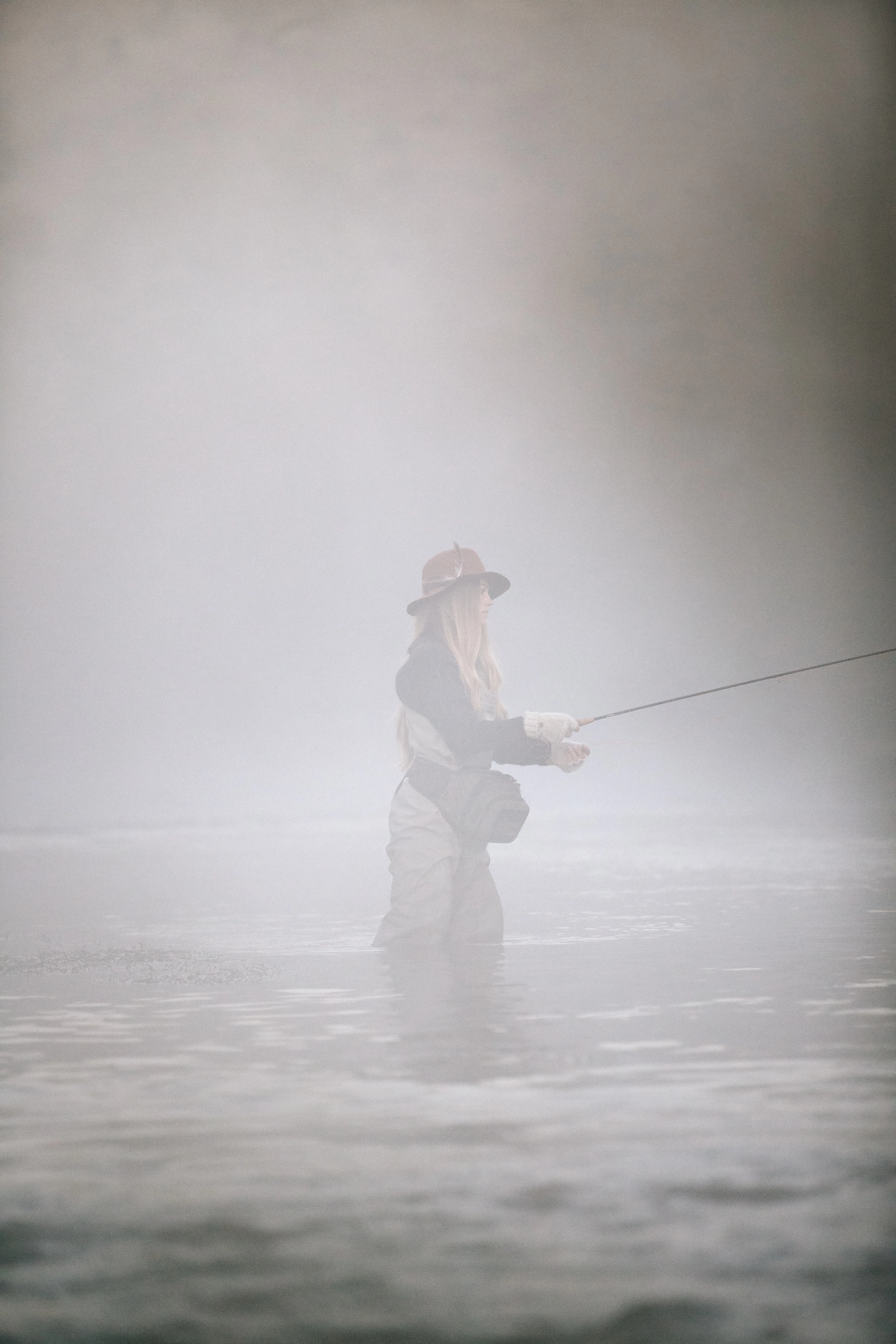
Winter transforms California's fly fishing landscape into something altogether different from the crowded summer months. Water temperatures drop to 38-45°F across most systems, slowing metabolisms but concentrating fish in predictable holding lies. The season brings steelhead runs to coastal rivers, stabilized flows on tailwaters, and surprisingly consistent hatches on spring creeks when conditions align. Morning frost dissipates by 10 AM on most waters, and afternoon temperatures in the Central Valley regularly hit the mid-60s. This temperature differential creates optimal fishing windows that experienced anglers exploit religiously.02Reading the Water: Winter Conditions
Flow Patterns and Temperature Zones
Winter flows in California follow predictable patterns shaped by dam releases and seasonal precipitation. The USGS Water Resources real-time data shows most tailwater systems running 200-800 CFS during winter months, well below summer irrigation demands. Key temperature and flow indicators to monitor:- Spring creeks: Hold steady at 48-52°F year-round, with flows of 40-120 CFS
- Tailwater releases: Bottom-draw dams release 42-46°F water consistently
- Freestone rivers: Fluctuate dramatically, 35-50°F depending on air temps and snowmelt
- Coastal systems: Warm to 45-48°F by afternoon, ideal for steelhead activity
Winter Hatch Patterns
California's winter hatches concentrate in specific weather windows. Midges emerge consistently on tailwaters and spring creeks when water temperatures exceed 45°F. Hat Creek and Hot Creek produce steady midge hatches from 11 AM to 3 PM on overcast days with minimal wind. Baetis (Blue Winged Olives) trigger aggressive feeding when conditions align: overcast skies, water temps above 46°F, and barometric pressure dropping ahead of weather fronts. Size #18-22 patterns dominate, with emergence windows typically 1-4 PM.03The Fly Box: Essential Winter Patterns
Nymph Patterns for Cold Water
Winter nymphing requires heavy patterns that reach feeding fish quickly. Most productive flies for California winter conditions:- Zebra Midge (#18-22): Black, red, olive bodies with silver wire. Essential on all tailwaters
- Pheasant Tail Nymph (#16-20): Weighted versions with bead heads for deep pools
- Hare's Ear Nymph (#14-18): Dubbed thorax, excellent general pattern
- Copper John (#16-20): Fast-sinking pattern for pocket water
- San Juan Worm (#12-16): Red, pink, brown - deadly after winter rains
Dry Fly Selections
Winter dry fly fishing peaks during midge and Baetis emergences. Critical patterns include:- Griffith's Gnat (#18-22): Peacock herl body, grizzly hackle for midge clusters
- Blue Winged Olive (#18-22): Olive body, dun hackle and wings
- Parachute Adams (#16-20): High-floating design for delicate presentations
- RS2 (#18-22): Emerger pattern mimicking transitioning insects
Rigging for Winter Success
Cold water demands precise presentations with minimal line disturbance. Standard winter rigs include:- Double nymph rig: Heavy point fly (#14-16) with lighter dropper (#18-20) 18" above
- Dry-dropper: Buoyant dry fly with small nymph 12-16" below
- Indicator nymphing: Small yarn indicator, 1.5x water depth, size 5X-6X tippet
04Prime Waters
Coastal Steelhead Systems
The Trinity River below Lewiston Dam runs consistently through winter at 200-400 CFS and 46-48°F. Steelhead stage in pools from Lewiston downstream to Junction City, with peak activity during overcast conditions and rising barometric pressure. Access points include Lewiston Bridge, Trinity River Lodge, and Steel Bridge Recreation Area. Focus on deep pools with tailouts, fishing weighted flies along bottom structure where steelhead hold.Spring Creek Consistency
Fall River maintains 50-52°F water temperatures year-round, supporting active Rainbow Trout and Brown Trout feeding throughout winter. The upper river from Fall River Mills to Island Bridge produces consistent midge hatches from late morning through mid-afternoon.Tailwater Opportunities
The Upper Sacramento River below Shasta Dam offers world-class winter fishing when generation schedules align with feeding periods. Water temperatures hold at 44-46°F, with flows varying from 3,000-8,000 CFS depending on power demands. Key stretches include:- Pollard Flat: Wade-friendly water with consistent rainbow trout populations
- Soda Creek: Deep runs holding large brown trout, best fished from drift boats
- Redding City reach: Urban fishery with excellent access and year-round activity
Eastern Sierra Gems
The East Walker River below Bridgeport Reservoir transforms in winter, concentrating trophy brown trout in predictable lies. Water temperatures range from 38-42°F, requiring precise presentations and patient approaches. Fish the deeper pools below the dam using heavy nymph rigs and long leaders. Brown trout average 14-18 inches, with fish over 20 inches common during stable weather periods.05Species in Focus
Winter-Active Trout Behavior
Rainbow Trout remain the most active California species during winter months. They feed opportunistically throughout the day when water temperatures exceed 45°F, with peak activity 11 AM - 3 PM coinciding with insect emergences. Feeding patterns shift to energy-efficient modes:- Position in slower water adjacent to current
- Rise methodically to emerging insects rather than aggressive splashy takes
- Focus on high-protein food sources like midges and scuds
- Prefer deeper holding lies during temperature extremes
Brown Trout Winter Strategies
Brown Trout become increasingly territorial as water temperatures drop. Large specimens establish feeding stations in deep pools and undercut banks, defending prime lies aggressively through winter months. Target brown trout during:- Low-light periods: dawn until 9 AM, 4 PM until dark
- Overcast days with stable barometric pressure
- Water temperature windows of 42-48°F
- Incoming weather fronts that trigger feeding activity
Steelhead Winter Runs
California's winter steelhead runs peak from December through February, with fish entering systems during high water events. Fresh steelhead show distinctive behaviors that experienced anglers recognize:- Aggressive takes on swung flies in 2-4 feet of water
- Preference for broken water and pool tailouts
- Active feeding during morning and evening hours
- Response to flies with movement and flash
06Techniques That Produce
Nymphing in Cold Water
Winter nymphing success depends on achieving consistent depth control in slow-moving water. Fish feeding lies shift to areas offering maximum food delivery with minimal energy expenditure. Key presentation techniques:- High-stick nymphing: Keep line off water, maintain direct contact with flies
- Long-line nymphing: Use indicator at 1.5-2x water depth for consistent drifts
- Czech nymphing: Short-line technique for deep pocket water
- Swing nymphing: Allow flies to swing at drift end, mimicking emerging insects
Dry Fly Tactics
Winter dry fly fishing requires exceptional patience and observation skills. Successful anglers watch for subtle rise forms and adjust presentations accordingly."Winter rises are whispers, not shouts. Learn to read the barely-there dimples that indicate feeding fish."Critical dry fly approaches:
- Fish emerging patterns during peak hatch windows (1-4 PM)
- Use longer leaders (12-15 feet) for delicate presentations
- Focus on back eddies and slow pools where insects collect
- Match size precisely - winter insects run smaller than summer species
Streamer Fishing for Winter Trout
Large brown trout become increasingly predatory as temperatures drop, making streamer fishing productive during specific conditions. Target structure-rich areas where baitfish concentrate. Effective streamer techniques:- Slow strips: Vary retrieve speed to trigger strikes
- Dead drifting: Allow streamers to drift naturally through pools
- Swinging: Cast across current, let fly swing through likely lies
- Jigging: Vertical presentations in deep pools and undercuts
07Local Intel
Timing Weather Windows
California's winter weather creates distinct fishing opportunities that local guides exploit consistently. Monitor these conditions for optimal fishing:- Post-frontal stability: 24-48 hours after storms pass, barometric pressure stabilizes
- Warming trends: Rising air temperatures trigger increased insect activity
- Overcast conditions: Cloud cover extends hatch windows and encourages surface feeding
- Mild precipitation: Light rain or snow often triggers the best fishing days
Water Level Management
Understanding California's water management schedules provides significant advantages. Dam releases for power generation typically occur during peak demand periods: 6-10 AM and 5-9 PM weekdays. Plan fishing around generation schedules:- Fish during low-flow periods for easier wading
- Target rising water for increased feeding activity
- Avoid dangerous wading during high releases
- Use generation schedules to predict fish behavior
Seasonal Access Considerations
Winter conditions affect access to many California fishing locations. High country areas remain snowbound through March, while coastal systems experience seasonal closures protecting spawning fish. Check access conditions before traveling:- Road closures in Sierra Nevada regions
- Seasonal regulations on steelhead streams
- Private property restrictions during hunting seasons
- Parking availability at popular access points
08Gear Checklist
Rod and Reel Setup
Winter conditions demand versatile gear capable of handling diverse presentations and varying weather conditions:- 5-weight rod, 9 feet: Ideal all-around choice for most California winter fishing
- 6-weight rod, 9-10 feet: Better for steelhead and large brown trout applications
- Large arbor reel: Faster line pickup, better cold-weather performance
- Multiple spools: Pre-rigged with different line types and leaders
Line and Leader Systems
Cold water and finicky fish require precise line management and nearly invisible presentations:- Weight-forward floating lines: Standard for most winter applications
- Sink-tip lines: Essential for deep nymphing and streamer fishing
- 9-15 foot leaders: Tapered to 5X-6X for winter conditions
- Fluorocarbon tippet: Less visible underwater, maintains strength in cold
Essential Winter Clothing
California's winter weather varies dramatically by elevation and proximity to coast. Layer systems provide flexibility:- Breathable waders: Chest-high with integrated gravel guards
- Wading boots: Felt or rubber soles depending on stream conditions
- Insulating layers: Merino wool base layer, fleece mid-layer
- Rain jacket: Waterproof, breathable shell for weather protection
- Warm hat and gloves: Essential for early morning and late afternoon fishing
Winter-Specific Accessories
Cold weather creates unique challenges requiring specialized gear:- Hand warmers: Chemical packs for warming cold hands
- Line cleaner: Prevents ice buildup on guides and line
- Thermometer: Monitor water temperature for optimal timing
- Headlamp: Extended fishing hours during short winter days
- Emergency kit: Basic first aid, emergency shelter, communication device
09Regulations & Conservation
License Requirements
California requires all anglers 16 and older to possess a valid fishing license. The California Department of Fish and Wildlife offers annual, short-term, and digital licenses through their online system. Current license requirements:- Annual resident license: $52.66 (includes sport fishing license and report card)
- Annual non-resident license: $142.05 (includes all required endorsements)
- One-day licenses: Available for $17.02 (resident) or $25.26 (non-resident)
- Ocean enhancement stamp: Required for anadromous species in coastal waters
Special Regulations
Many California waters operate under specific regulations during winter months. Current regulations include seasonal closures, gear restrictions, and bag limits that change annually. Critical regulation areas:- Wild trout waters: Artificial lures only, catch-and-release required
- Steelhead regulations: Varies by drainage, seasonal closures common
- Salmon seasons: Complex regulations with frequent changes
- Barbless hook requirements: Mandatory on many premium waters
Conservation Practices
California's winter fisheries face increasing pressure from climate change, water diversions, and development. Trout Unlimited and similar organizations work to protect and restore critical habitat. Responsible angling practices:- Practice proper catch-and-release techniques
- Use barbless hooks to minimize fish injury
- Avoid fishing during spawning periods
- Respect private property and access agreements
- Pack out all trash and fishing line
- Report fish kills or pollution to state authorities
10Sources & References
- California Department of Fish and Wildlife - Official regulations, license information, and stocking schedules
- USGS Water Resources Real-Time Data - Current flow and temperature data for California rivers
- Trout Unlimited - Conservation efforts and fishing information for California waters
- California Fishing Regulations - Complete current regulations and seasonal restrictions
- California Fish and Wildlife Licensing - License requirements and online purchasing system
- California Data Exchange Center - Real-time water conditions and reservoir levels
- California State Parks - Access information and park-specific fishing regulations
- California Watershed Conservation - Habitat restoration and protection programs
Top Winter flies for California
Ranked by how often they show up in this season's reports.
nymphZebra MidgeMidges are the most prolific and consistent food source in the Upper Sacramento during February. Black or red versions in sizes 18-22 are essential for winter nymphing rigs.nymphTungsten Bead Pat's Rubber LegsLarge stonefly nymphs are year-round residents of the Upper Sac's rocky substrate. In winter, this serves as an excellent 'anchor' fly to get a midge dropper down into the strike zone of deep pools.eggGlo BugFebruary is prime time for spawning activity in Northern California. Steelhead and resident trout are highly keyed into eggs drifting in the current. Reach for orange or chartreuse in cold water.nymphPheasant Tail NymphImitates the small Baetis (BWO) nymphs that are active year-round. In late February, these are a primary forage as the river prepares for spring hatches.emergerRS2An excellent midge or early Baetis emerger. Use this as a trailing fly in a nymph rig to target fish feeding in the upper water column during afternoon midge hatches.nymphScudHat Creek is rich in aquatic vegetation which supports a massive population of scuds. In winter, these remain a high-protein staple for trout when insect hatches are sparse.dryGriffith's GnatDuring the warmest part of the afternoon, midge clusters often form on the surface in slower eddies. This is the highest-percentage dry fly for fish rising in winter.streamerPine Squirrel LeechTechnically a streamer but fished with more finesse, a small, dark leech can trigger a predatory response from larger Brown trout during the slow winter months. Swing it slowly through deeper holes.
Waters in California 50 to fish
- Big Sur Riverriver
- Bridgeport Reservoirlake
- Clear Creek (Shasta County - below Whiskeytown Dam)river
- Convict Lakelake
- East Fork Carson Riverriver
- East Fork San Gabriel Riverriver
- East Walker Riverriver
- Fall Riverspring creek
- Feather River (Low Flow Section below Oroville Dam)river
- Hat Creekspring creek
- Heenan Lakelake
- Hot Creekspring creek
- Kings River (Upper/Middle Forks)river
- Lake Almanorlake
- Lake Crowleylake
- Lee Vining Creekcreek
- Little Kern Riverriver
- Lower American Riverriver
- Lower Owens Riverriver
- Lower Sacramento Riverriver
- Lower Stanislaus Riverriver
- Lower Yuba Riverriver
- McCloud Riverriver
- Merced River (Yosemite Section)river
Fly shops nearby
Local flies, current advice and guided trips.
Need gear or a guide?
Find fly shops near California's best winter waters for local flies, advice and guided trips.
Ask an AI about this page