
June – August
California fly fishingin summer: the guide
Your complete guide to summer fly fishing in California. Covers top flies, active species, best waters, and expert tips for June through August.
By Cade BagleyUpdated February 27, 2026Fact-checked with state agency data
01The Summer Window
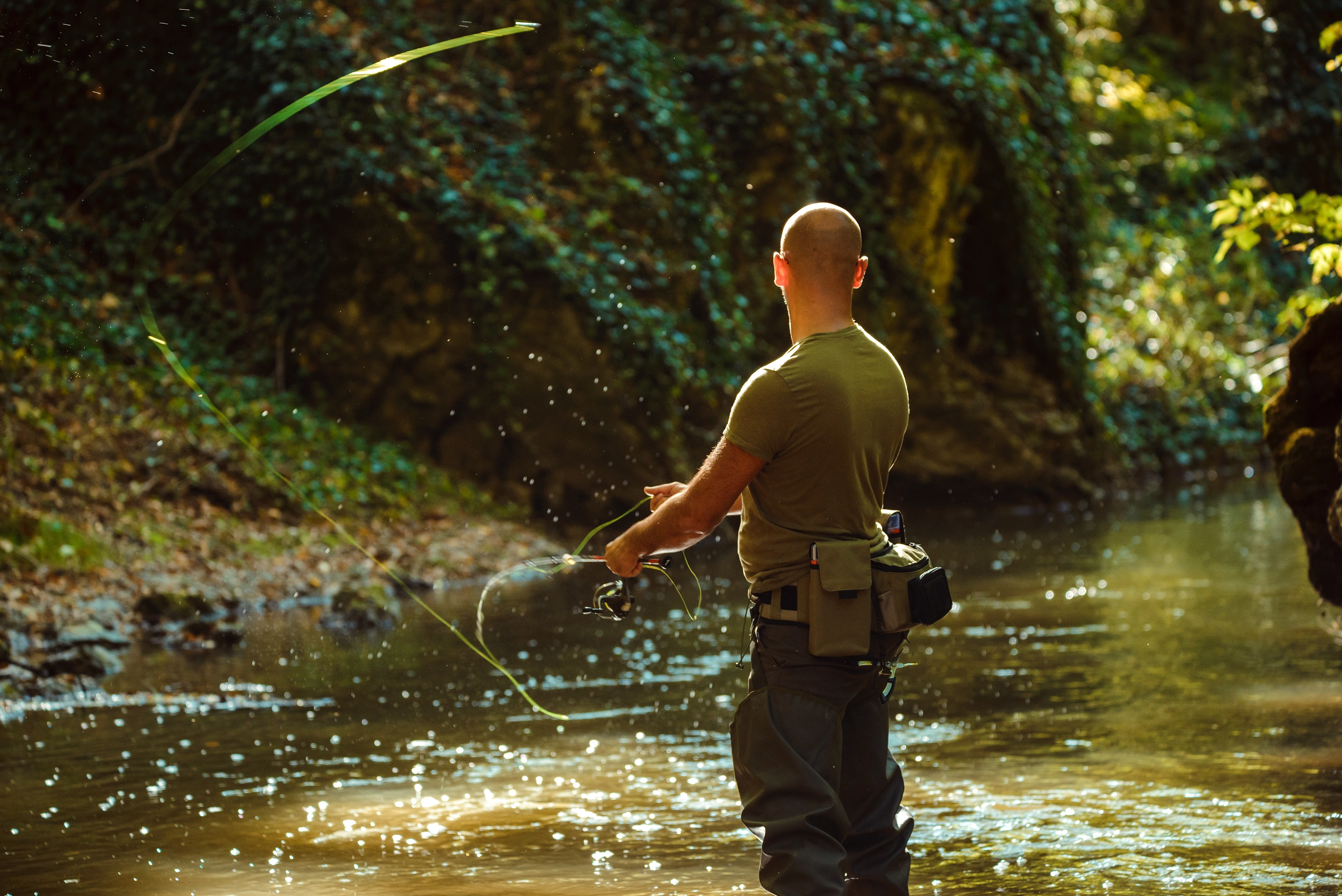
Summer in California transforms fly fishing into a precision game. Water temperatures climb from pre-dawn lows of 52°F to afternoon peaks of 68°F across the state's premier trout waters, creating narrow feeding windows that reward early risers and evening hunters. The USGS real-time gauges show flows dropping from spring peaks, leaving fish concentrated in deeper pools and thermal refuges where oxygen levels remain stable.02Reading the Water: Summer Conditions
Temperature and Flow Dynamics
California's diverse watersheds present distinct thermal profiles during summer months. Spring-fed systems like Hat Creek and Fall River maintain consistent 58-62°F temperatures, while freestone rivers like the Upper Sacramento River fluctuate dramatically:- Dawn (5:30-7:00 AM): 52-56°F optimal feeding temperatures
- Midday (11:00 AM-3:00 PM): 64-68°F stress zone begins
- Evening (6:00-8:30 PM): 58-62°F second feeding window opens
- Night (9:00 PM-5:00 AM): 54-58°F brown trout prime time
Hatch Calendar
Summer brings predictable emergence patterns across California's waters:- Pale Morning Duns (PMD): 9:00-11:00 AM, #16-18
- Caddis (various species): Evening, #14-16
- Terrestrials peak: Ants, beetles, grasshoppers dominate midday
- Trico spinners: Dawn hours, #20-24
- Blue-Winged Olives: Cloudy days, #18-20
03The Fly Box: Essential Summer Patterns
Dry Flies
Summer success hinges on matching both aquatic hatches and terrestrial activity:- Pale Morning Dun: #16-18, essential for morning hatches
- Elk Hair Caddis: #14-16, tan and olive variations
- Parachute Adams: #16-20, all-purpose attractor
- Ant Pattern: #14-18, black foam bodies for terrestrial activity
- Hopper Pattern: #8-12, August bank feeders
- Trico Spinner: #20-24, dawn fishing essential
Nymphs and Emergers
Subsurface patterns produce consistently when surface action slows:- Pheasant Tail Nymph: #16-20, year-round producer
- Hare's Ear Nymph: #14-18, caddis emerger imitation
- Copper John: #16-18, fast water attractor
- Zebra Midge: #18-22, stillwater essential
- Prince Nymph: #14-16, deep pool dropper
Streamers
Early morning and evening streamer fishing targets aggressive predatory behavior:- Woolly Bugger: #6-10, olive and black variations
- Sculpin Pattern: #4-8, brown and olive for baitfish imitation
- Zonker: #6-10, rabbit strip action
"Summer trout are educated. Your fly selection matters less than your presentation and timing." — Northern California guide wisdom
04Prime Waters
Spring Creek Systems
Hat Creek offers consistent 60°F water through summer, supporting healthy populations of rainbow trout and brown trout. The lower section below Lake Britton provides technical spring creek fishing with selective trout averaging 12-16 inches. Access via Cassel Road or Highway 299, with best fishing in the Powerhouse 2 section. Fall River maintains spring-fed consistency but requires precise presentations to spooky fish. Wade carefully in the trophy section near McArthur, where 18+ inch rainbows cruise shallow flats during evening hours.Freestone Rivers
Upper Sacramento River provides excellent summer fishing when flows stabilize around 800-1,000 CFS. Focus on the Dunsmuir to Castella stretch for resident rainbows and browns. Fish deep pools during midday heat, transitioning to riffles during temperature breaks.Eastern Sierra Waters
East Walker River near Bridgeport produces exceptional brown trout fishing during summer evenings. The trophy section below Bridgeport Reservoir holds fish exceeding 20 inches, with PMD hatches triggering surface activity from 9:00-11:00 AM. Hot Creek near Mammoth Lakes provides technical fishing for educated rainbows in gin-clear thermal water. The catch-and-release section requires 6X tippet and precise presentations to fish averaging 14-18 inches.05Species in Focus
Rainbow Trout Behavior
Rainbow trout remain active feeders throughout summer if water temperatures stay below 68°F. They exhibit distinct behavioral patterns:- Dawn feeding: Aggressive surface activity targeting emerging insects
- Midday lethargy: Seek thermal refuges in deep pools and spring seeps
- Evening resurgence: Return to shallow feeding stations as temperatures drop
- Oxygen sensitivity: Move to riffle heads and pocket water during warm spells
Brown Trout Tactics
Brown trout become increasingly nocturnal as summer progresses. Mature fish exhibit territorial behavior around prime feeding stations:- Night hunting: Large browns patrol banks after 9:00 PM
- Streamer response: Aggressive strikes on baitfish patterns
- Temperature tolerance: Remain active in 70°F+ water when rainbows shut down
- Structure orientation: Hold tight to undercuts, log jams, and boulder fields
Steelhead Opportunities
Summer-run steelhead enter select California rivers during July and August. The Trinity River and Lower Sacramento River systems offer opportunities for fresh-from-the-ocean fish:- Peak timing: Late July through early September
- Flow dependency: Fish move on rising water from dam releases
- Holding patterns: Concentrate in deep pools during low water periods
- Fighting characteristics: Aerial displays and long runs test tackle
06Techniques That Produce
Presentation Strategies
Summer's low, clear water demands refined approach techniques:- Extended leaders: 12-15 feet with 5X-6X tippet for spooky fish
- Upstream positioning: Wade below feeding fish to minimize disturbance
- Drag-free drifts: Mend aggressively to match current lanes
- First cast accuracy: Spooked summer trout rarely give second chances
Nymphing Methods
Tight-line nymphing excels in summer's technical conditions:- High-stick technique: Maintain contact for immediate strike detection
- Split-shot adjustment: Match weight to current speed and depth
- Indicator selection: Small yarn indicators for subtle takes
- Two-fly rigs: Point fly + dropper covers multiple depths
Streamer Tactics
Early morning and late evening streamer fishing targets predatory behavior:- Strip patterns: Vary retrieve speeds to trigger follows
- Bank proximity: Cast tight to structure and undercuts
- Sink rate control: Match fly weight to holding depth
- Color selection: Dark patterns for dawn/dusk, natural tones midday
07Local Intel
Timing Windows
California guides consistently emphasize these summer timing patterns:- 5:30-8:00 AM: Prime dry fly window before thermal stress
- 8:00-10:00 AM: PMD emergences trigger selective feeding
- 10:00 AM-6:00 PM: Nymph deep pools and shaded structure
- 6:00-9:00 PM: Evening caddis and terrestrial activity
- 9:00 PM-midnight: Brown trout streamer fishing peaks
Weather Factors
Summer weather patterns directly influence fishing success:- High pressure: Stable conditions favor early/late feeding windows
- Cloud cover: Extends surface activity throughout the day
- Thunderstorms: Pre-storm feeding frenzies, post-storm shutdowns
- Moon phases: New moon darkness enhances night fishing
Access Considerations
Summer brings increased angling pressure to popular waters:- Weekday advantage: Midweek fishing avoids weekend crowds
- Remote sections: Hike beyond easy access points for less pressure
- Private water options: Consider day fees for exclusive access
- Early arrival: Secure parking and prime spots before crowds
08Gear Checklist
Rod and Reel Selection
Summer conditions favor finesse presentations:- Primary rod: 9-foot 5-weight for versatility
- Technical situations: 8.5-foot 4-weight for delicate presentations
- Streamer fishing: 9-foot 6-weight for early/late sessions
- Reel considerations: Smooth drag for long tippet protection
Line and Leader System
Clear water demands invisible connections:- Floating lines: Weight-forward designs for accuracy
- Leader length: 12-15 feet for spooky fish
- Tippet material: Fluorocarbon for subsurface, monofilament for dries
- Size range: 4X-6X covers most summer situations
Essential Accessories
Summer fishing requires specific support gear:- Sun protection: Wide-brim hat, UV-protective clothing
- Wading gear: Lightweight breathable waders for comfort
- Net selection: Rubber-coated mesh for fish health
- Thermometer: Monitor water temperatures for fish welfare
- Polarized glasses: Essential for reading water and spotting fish
- Fly floatant: Maintain dry fly performance in multiple fish scenarios
09Regulations & Conservation
License Requirements
California requires valid fishing licenses for all anglers 16 and older. California Department of Fish and Wildlife offers annual, short-term, and one-day options with additional stamps required for steelhead fishing.Special Regulations Waters
Many premier California trout waters operate under specific regulations:- Catch-and-release sections: Hot Creek, portions of Hat Creek
- Barbless hook requirements: Most wild trout waters
- Artificial lure restrictions: Fly fishing only on designated waters
- Seasonal closures: Some waters close October 15-April 30
Temperature-Based Closures
California implements voluntary and mandatory fishing closures when water temperatures exceed safe thresholds:- Voluntary cessation: 68°F for trout waters
- Mandatory closures: 70°F+ on some waters
- Monitoring resources: Real-time temperature data available online
- Ethical considerations: Fish welfare over fishing opportunity
"When in doubt, don't fish. Stressed trout in warm water have high mortality rates even with perfect catch-and-release practices." — California wild trout advocate
10Sources & References
- California Department of Fish and Wildlife - Fishing Regulations and License Information
- USGS Water Resources - Real-time California Stream Flow and Temperature Data
- Trout Unlimited - California Water Conservation and Fishing Reports
- California Wild Trout Program - Population Studies and Management Guidelines
- California Instream Flow Program - Water Temperature and Fish Habitat Requirements
- California Trout - Wild Fish Conservation and Habitat Protection
- US Forest Service Pacific Southwest Region - Fishing Access and Regulations
- National Weather Service - California Water Year and Seasonal Climate Data
Top Summer flies for California
Ranked by how often they show up in this season's reports.
dryCallibaetis ParachuteWith active Callibaetis emergences mentioned in angler reports, this dry fly is excellent for targeting rising trout feeding on adult mayflies in Lake Crowley.emergerPMD Sparkle DunPMD hatches are a consistent feature of recent reports, with trout keying in on emerging insects in the film.terrestrialTurck's TarantulaExplicitly mentioned as effective in recent angler reports and aligns with aggressive trout taking large attractor dries during summer. Though not in the database with a size, local reports indicate size 12.dryChubby ChernobylRepeatedly noted in recent reports as a highly effective large attractor dry, excellent for opportunistic trout during peak summer terrestrial and stonefly activity.nymphCallibaetis NymphRecent angler reports specifically highlight that fish are actively focusing on Callibaetis nymphs in Lake Crowley. This pattern is ideal for imitating this crucial food source.streamerPerch FryAngler reports clearly state that fish are keying in on perch fry in Lake Crowley. This streamer is a direct imitation of this important baitfish.dryTJ HookerExplicitly mentioned as a "go-to fly" in the recent Putah Creek report, effective as a general attractor nymph, which is consistent with active subsurface feeding in low, clear summer flows.dryElk Hair CaddisActive caddis hatches are bringing trout to the surface, and this is a proven pattern.
Waters in California 50 to fish
- Big Sur Riverriver
- Bridgeport Reservoirlake
- Clear Creek (Shasta County - below Whiskeytown Dam)river
- Convict Lakelake
- East Fork Carson Riverriver
- East Fork San Gabriel Riverriver
- East Walker Riverriver
- Fall Riverspring creek
- Feather River (Low Flow Section below Oroville Dam)river
- Hat Creekspring creek
- Heenan Lakelake
- Hot Creekspring creek
- Kings River (Upper/Middle Forks)river
- Lake Almanorlake
- Lake Crowleylake
- Lee Vining Creekcreek
- Little Kern Riverriver
- Lower American Riverriver
- Lower Owens Riverriver
- Lower Sacramento Riverriver
- Lower Stanislaus Riverriver
- Lower Yuba Riverriver
- McCloud Riverriver
- Merced River (Yosemite Section)river
Fly shops nearby
Local flies, current advice and guided trips.
Need gear or a guide?
Find fly shops near California's best summer waters for local flies, advice and guided trips.
Ask an AI about this page