
December – February
Arkansas fly fishingin winter: the guide
Your complete guide to winter fly fishing in Arkansas. Covers top flies, active species, best waters, and expert tips for December through February.
By Cade BagleyUpdated March 24, 2026Fact-checked with state agency data
01The Winter Window
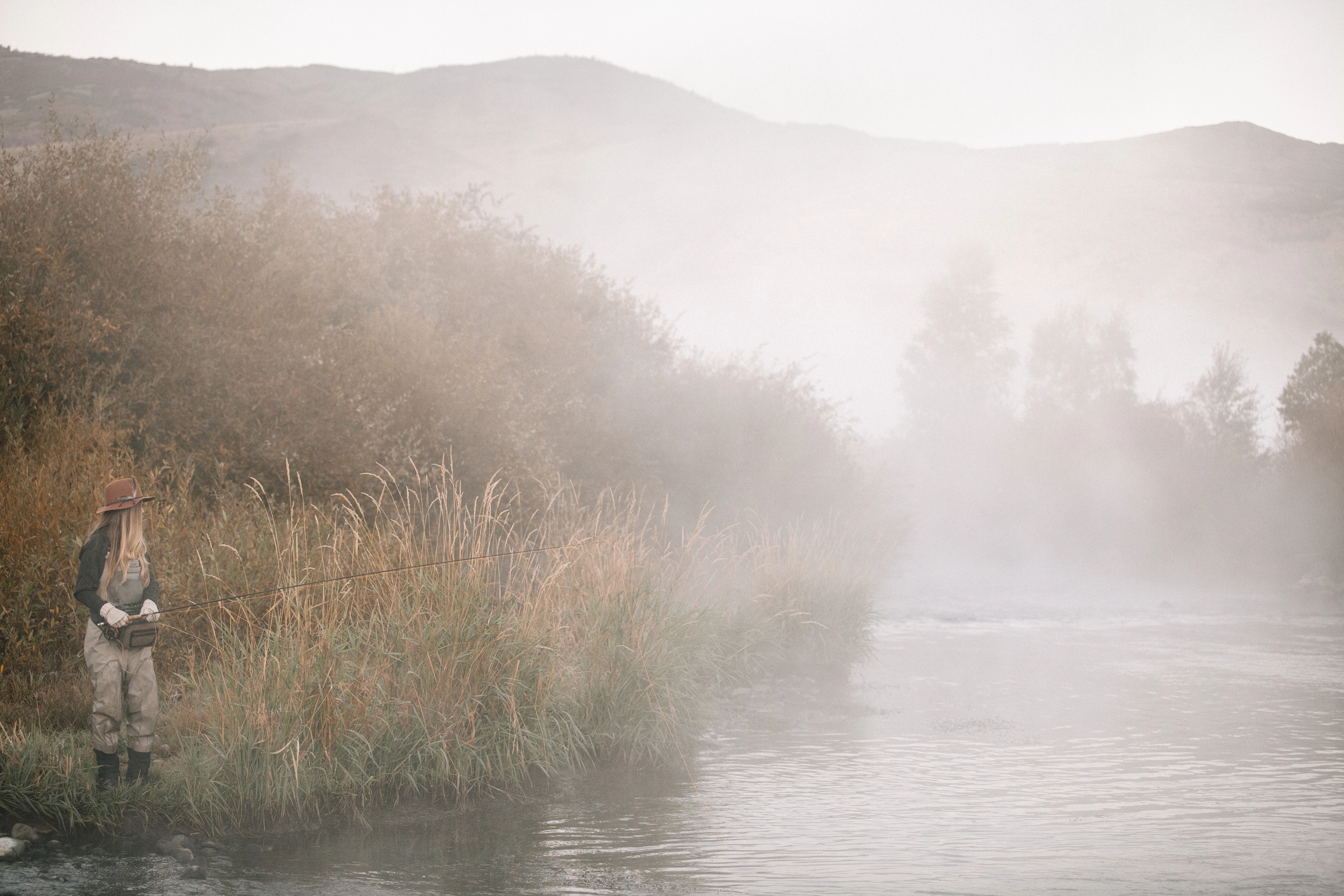
Arkansas transforms into an unexpected winter fly fishing paradise when December temperatures drop water levels to their annual lows and concentrate fish in predictable lies. While northern anglers hang up their rods, Arkansas tailwaters maintain steady 45-50°F temperatures year-round, creating exceptional fishing conditions when air temperatures hover between 25-45°F. Winter fishing pressure drops to nearly zero on most waters, leaving prime trout habitat undisturbed for weeks at a time.02Reading the Water: Winter Conditions
Temperature and Flow Dynamics
Arkansas winter fishing revolves around stable tailwater systems where dam releases create consistent conditions. White River below Bull Shoals maintains 48-52°F water temperatures throughout winter, while the Norfork River runs slightly cooler at 45-48°F. Current USGS flow data shows typical winter flows:- White River at Calico Rock: 8,000-12,000 CFS during normal winter operations
- Norfork River below Norfork Dam: 2,500-4,500 CFS with predictable generation schedules
- Little Red River: 600-1,200 CFS providing ideal wading conditions
- Spring River: Consistent 2,800 CFS from constant spring flow
Seasonal Hatch Activity
Winter hatches in Arkansas follow predictable patterns tied to water temperature and sunlight exposure. Prime hatching windows occur between 11 AM and 3 PM when air temperatures reach 40°F or higher:- Blue-winged Olives (BWO): Size 18-22, active on overcast days above 38°F
- Midges: Size 20-24, consistent throughout winter in slow water sections
- Winter Stoneflies: Size 16-18, active during warm spells above 45°F
- Sowbugs/Scuds: Year-round availability in spring creek sections
03The Fly Box: Essential Winter Patterns
Nymph Patterns
Subsurface fishing dominates Arkansas winter fishing, with 80% of takes occurring within two feet of the bottom. Essential nymph patterns should match local forage:- Pheasant Tail Nymph: Size 16-20, weighted versions for deep pools
- Zebra Midge: Size 18-22 in black, red, and olive
- Sowbug: Size 14-18, particularly effective in spring creek sections
- Prince Nymph: Size 14-18, excellent searching pattern
- Copper John: Size 16-20, essential for fast water sections
Dry Fly Selection
Surface action occurs during midday warming periods, typically lasting 2-3 hours. Carry these patterns ready to deploy:- Blue-winged Olive: Size 18-20, Sparkle Dun and CDC versions
- Griffith's Gnat: Size 20-22 for midge activity
- Parachute Adams: Size 16-18, versatile attractor pattern
Streamer Tactics
Large brown trout become increasingly aggressive as water temperatures stabilize. Focus on these patterns:- Woolly Bugger: Size 6-10 in olive, black, and brown
- Zonker: Size 4-8, rabbit strip patterns for deep pools
- Muddler Minnow: Size 6-10, effective near structure
04Prime Waters
White River System
The White River below Bull Shoals Dam offers Arkansas's premier winter trout fishing. Access through Bull Shoals State Park provides immediate entry to 100 miles of quality water. Key sections include:- Dam Tailrace (0-2 miles): Deep pools holding large rainbow trout and brown trout
- Rimshot Section (2-6 miles): Classic riffle-pool structure with consistent hatches
- Wildcat Shoals (12 miles): Wadeable pocket water with aggressive fish
Norfork River Tailwater
The Norfork River maintains excellent winter clarity with visibility often exceeding 15 feet. Access via Norfork Trout Dock provides entry to the most productive 5-mile stretch. Target areas include:- McClellan Riffle: Consistent BWO hatches during warm afternoons
- Quarry Pool: Deep water holding trophy cutthroat trout
- Dry Run Creek Mouth: Spring-fed tributary creating thermal refugia
Little Red River
The Little Red River provides intimate winter fishing with manageable flows year-round. JFK Park and Swinging Bridge access points cover the most productive water. Winter fishing focuses on:- Greer's Ferry Dam Area: Consistent midge hatches in slack water
- Sugarloaf Section: Spring-fed channels with stable temperatures
- Pangburn Access: Lower pressure water with good brown trout populations
Spring River
The Spring River emerges from Mammoth Spring at constant 58°F, creating Arkansas's most stable winter fishery. Mammoth Spring State Park provides excellent access to the headwaters section where massive spring flow creates unique conditions:- Spring Pool: Crystal-clear water with visible fish populations
- Upper Mile: Consistent insect activity in warmer spring water
- Hardy Access: Lower section with reduced fishing pressure
05Species in Focus
Rainbow Trout
Rainbow trout remain the most active winter species, feeding consistently throughout daylight hours. Peak feeding occurs between 10 AM-2 PM when insect activity peaks. Target depths of 3-8 feet using:- Feeding behavior: Opportunistic surface feeding during hatches
- Preferred lies: Tail-outs of pools and deep riffle edges
- Size range: 12-18 inches average, with fish to 24 inches common
- Best techniques: Dead-drift nymphing and tight-line presentation
Brown Trout
Brown trout fishing peaks during winter months as fish become more aggressive and less spooky. Large browns move into shallower water to feed, creating exceptional streamer fishing opportunities:- Prime times: Dawn and dusk periods, overcast days
- Target areas: Undercut banks, log jams, deep pools
- Average size: 14-20 inches with fish over 25 inches possible
- Key tactics: Streamer fishing and large nymph patterns
Cutthroat Trout
Cutthroat trout populations in the Norfork River provide unique winter opportunities. These fish feed actively in cold water and respond well to small nymphs:- Habitat preference: Slower pools and back eddies
- Feeding patterns: Selective to small insects, size 18-22 flies
- Best presentation: Long, drag-free drifts with fine tippets
Smallmouth Bass
Smallmouth bass in Arkansas rivers remain catchable throughout winter, particularly on the Buffalo National River. Target deep pools and rocky structure:- Water temperature range: Active when temperatures exceed 45°F
- Prime locations: Deep pools, boulder gardens, tributary mouths
- Effective patterns: Woolly Buggers, Clouser Minnows
- Presentation: Slow retrieves along bottom structure
06Techniques That Produce
Nymphing Strategies
Winter nymphing success depends on achieving precise depth control and natural drifts. Arkansas tailwaters require specific approaches:- High-stick nymphing: Maintain contact through long drifts in 4-8 foot depths
- Euro-nymphing: Tight-line methods excel in clear water conditions
- Indicator fishing: Use sensitive indicators for detecting subtle takes
- Weight systems: Split shot placement 12-18 inches above fly for natural presentation
"Winter trout hold tight to structure and feed in narrow feeding lanes. Success comes from precise fly placement and maintaining drag-free drifts through productive water."
Streamer Presentations
Large trout hunting mode activates during winter months. Effective streamer techniques include:- Down-and-across casts: Allow fly to swing through deep pools
- Strip-pause retrieve: 6-inch strips followed by 2-second pauses
- Target structure: Cast tight to logs, undercut banks, drop-offs
- Sink rates: Use weighted flies or sink-tip lines to reach 6-10 foot depths
Dry Fly Tactics
Surface fishing windows are brief but productive. Maximize success during hatch periods:- Timing: Focus on 11 AM-3 PM during stable weather
- Approach: Position downstream of rising fish
- Leader setup: 12-15 foot leaders with 6X-7X tippets
- Presentation: Multiple drag-free drifts over active fish
07Local Intel
Generation Schedules
Understanding dam operations is crucial for Arkansas winter fishing success. Key timing considerations include:- White River: Generation typically starts 6 AM, peaks 10 AM-2 PM
- Norfork River: More erratic schedule, check Corps of Engineers data
- Best fishing windows: 2-4 hours after generation stops
- Safety consideration: Water levels can rise 3-6 feet during generation
Weather Pattern Recognition
Arkansas winter fishing success correlates strongly with weather stability. Prime conditions include:- High-pressure systems: 3+ days of stable weather produce best results
- Temperature windows: Air temps above 35°F trigger insect activity
- Wind considerations: South winds warm surface temperatures faster
- Cloud cover: Overcast skies extend hatch windows
Seasonal Hot Spots
Local guides consistently produce fish from specific winter locations:- Spring Creek Mouths: Warmer water attracts concentrated fish
- Deep Pool Tail-outs: Fish stage here before moving to feed
- Inside River Bends: Slower water with insect concentration
- Bridge Pilings: Structure creates feeding lanes and ambush points
08Gear Checklist
Rod and Reel Setup
Winter Arkansas fishing demands versatile tackle capable of handling various presentations:- Primary rod: 9-foot 5-weight for nymphing and dry flies
- Streamer rod: 9-foot 6-weight with fighting power for large fish
- Reel specifications: Drag system capable of handling 20+ inch trout
- Backing capacity: Minimum 100 yards for tailwater fish
Line Systems
Matching line weight to fishing conditions improves presentation and success rates:- Floating line: Weight-forward taper for nymphing and dry flies
- Sink-tip line: 10-15 foot sink tip for streamer fishing
- Leader material: Fluorocarbon in 4X-6X for clear water conditions
- Tippet selection: 5X-7X fluorocarbon for nymphing, 4X for streamers
Winter Clothing System
Arkansas winter temperatures fluctuate dramatically, requiring layered clothing approaches:- Base layer: Merino wool or synthetic moisture-wicking material
- Insulation layer: Fleece or down jacket for warmth retention
- Outer shell: Waterproof-breathable jacket for weather protection
- Waders: 5mm neoprene boots for warmth in cold water
- Accessories: Insulated gloves, warm hat, neck gaiter
Essential Accessories
Cold weather fishing requires additional gear for safety and success:- Hand warmers: Chemical warmers for dexterity in cold conditions
- Thermometer: Monitor water temperature for hatch timing
- Headlamp: Extended fishing days require lighting
- Emergency kit: First aid, whistle, emergency shelter
09Regulations & Conservation
License Requirements
Arkansas fishing licenses are required for all anglers 16 and older. Current regulations from the Arkansas Game and Fish Commission include:- Resident annual license: Required for Arkansas residents
- Non-resident licenses: Daily, 7-day, and annual options available
- Trout permit: Additional stamp required for trout fishing
- Conservation license: Supports habitat improvement projects
Special Regulations
Arkansas trout waters operate under specific regulations designed to maintain quality fisheries:- White River: 6-trout daily limit, 12-inch minimum length
- Norfork River: Catch-and-release only from dam to Dry Run Creek
- Little Red River: Special length limits apply to different sections
- Spring River: 5-trout daily limit with size restrictions
Conservation Practices
Protecting Arkansas trout populations requires responsible angling practices:- Barbless hooks: Reduce fish injury during release
- Proper handling: Wet hands before handling fish
- Quick releases: Minimize air exposure time
- Habitat protection: Stay on designated trails and access points
"Arkansas trout waters represent a unique fishery resource. Practice catch-and-release to ensure these populations remain healthy for future generations."
10Sources & References
- Arkansas Game and Fish Commission - Official regulations, stocking reports, and license information
- USGS Water Resources - Real-time flow and gauge data for Arkansas rivers
- Trout Unlimited - Conservation efforts and habitat information
- National Weather Service Little Rock - Weather forecasts and conditions
- U.S. Army Corps of Engineers - Dam generation schedules and water management
- Arkansas State Parks - Access information and facilities
- Ozark-St. Francis National Forests - Public access and regulations for national forest waters
- Buffalo National River - National Park Service regulations and access information
Top Winter flies for Arkansas
Ranked by how often they show up in this season's reports.
nymphZebra MidgeMidges are the most prolific hatch during the winter months on the White River; black or red versions in sizes 18-22 are essential.nymphSow BugThe White River is famous for its sow bug population; these isopods are available year-round and are a primary food source in winter.nymphScudThe Spring River is rich in aquatic vegetation and crustaceans; scuds are a year-round staple and high-protein winter food source.nymphMicro EggMid-to-late February often sees the beginning of some spawning activity; egg patterns are a high-protein 'junk' fly that trout can't resist.streamerWoolly BuggerA winter staple that imitates leeches or sculpins. In the Kings, a slow-stripped or dead-drifted bugger is high-percentage for smallmouth in deep holes.dryGriffith's GnatThe go-to dry fly for winter. It perfectly imitates midge clusters that form on the surface during calm, warmer February afternoons.streamerCrayfish (Fly)Crayfish remain a primary calorie source. In winter, they are less active, so a slow-crawled fly that stays in the rocks is highly effective.nymphSan Juan WormA reliable attractor and 'bread and butter' pattern for the White River, especially effective as a lead fly in a multi-nymph rig.
Waters in Arkansas 6 to fish
Fly shops nearby
Local flies, current advice and guided trips.
Need gear or a guide?
Find fly shops near Arkansas's best winter waters for local flies, advice and guided trips.
Ask an AI about this page