
Arkansas fly fishingin summer: the guide
01The Summer Window
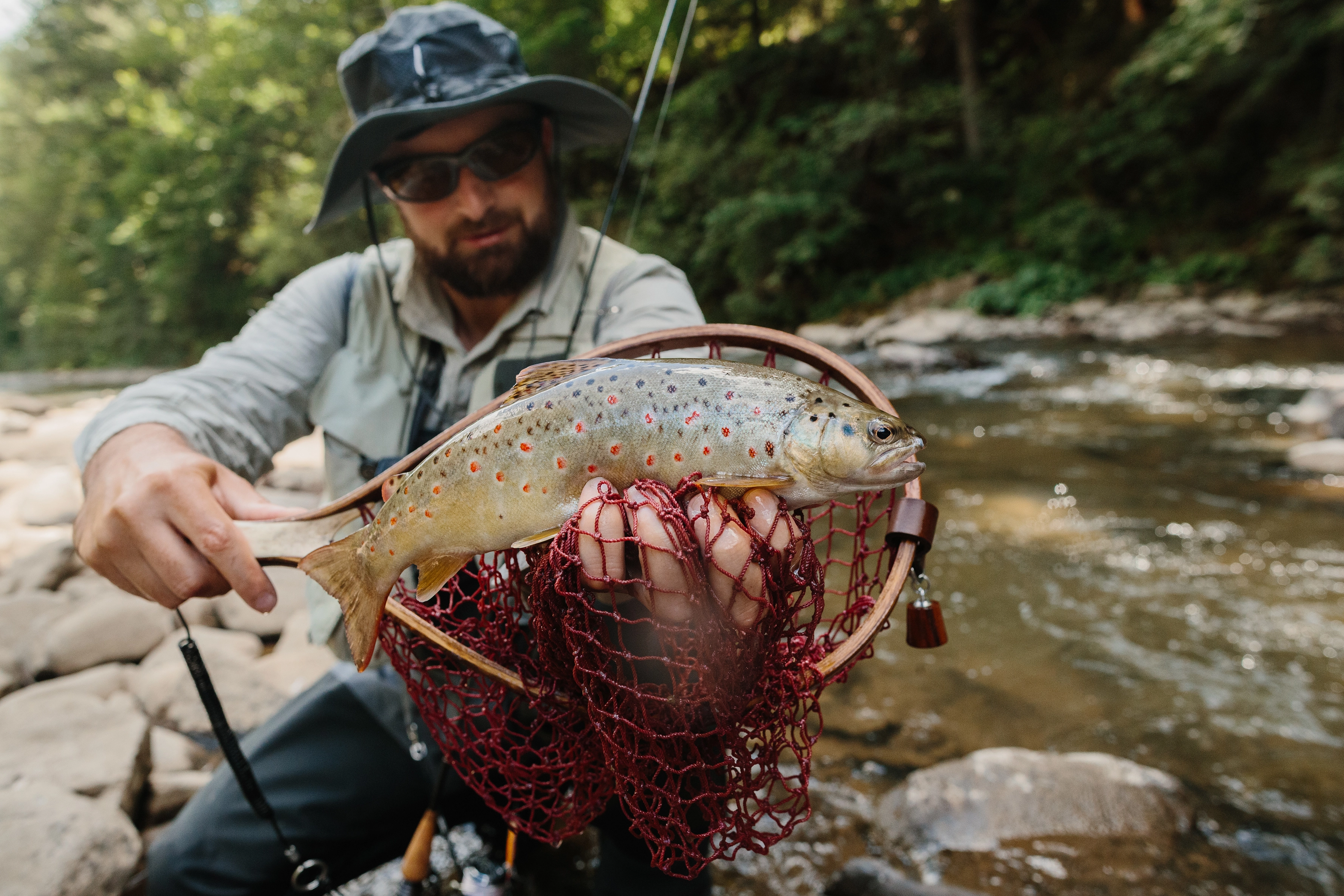
Arkansas summer fishing transforms between dawn and dusk, with water temperatures ranging from 68°F on tailwaters to 85°F on lowland rivers. The state's diverse fishery peaks from June through August, when cold-water releases from Bull Shoals and Norfolk dams keep trout active while bass fishing explodes on warm-water streams. Morning hatches trigger surface feeding on the White River, while afternoon terrestrial patterns produce consistently on the Buffalo National River.
Peak fishing windows occur at first light (5:30-7:30 AM) and evening (6:00-8:30 PM), when water temperatures drop 3-5 degrees and dissolved oxygen levels rise. The Arkansas State Parks system reports consistent 65-72°F water on major tailwaters throughout summer, creating ideal conditions for rainbow trout and brown trout.
02Reading the Water: Summer Conditions
Arkansas waters divide into two distinct categories during summer months. Cold-water tailwaters maintain optimal temperatures through dam releases, while warm-water rivers and creeks heat up significantly by mid-morning.
Tailwater Conditions
- Water Temperature: 65-72°F consistently through summer
- Flow Rates: White River averages 800-1,200 CFS below Bull Shoals
- Clarity: 3-4 feet visibility during normal flows
- Generation Schedule: Peak flows typically 10 AM-6 PM weekdays
Monitor USGS real-time data for flow changes, as generation can increase flows from 300 CFS to 25,000 CFS within hours. The Norfork River below Norfork Dam runs slightly warmer at 68-75°F, creating excellent conditions for cutthroat trout and brook trout.
Warm-Water Streams
- Morning Temps: 72-78°F at dawn
- Afternoon Peak: 82-88°F by 3 PM
- Target Times: First light until 10 AM, after 7 PM
- Flow Patterns: Base flows of 50-200 CFS on most streams
The Buffalo National River maintains better temperatures due to spring inputs and canopy cover, rarely exceeding 80°F even in August. Smallmouth bass remain active throughout the day in these cooler sections.
Summer Hatch Calendar
- Blue-Winged Olives: 7:00-9:00 AM on tailwaters
- Sulphurs: 6:30-8:30 PM, peak in early July
- Terrestrials: 10 AM-6 PM on all waters
- Tricos: 6:00-8:00 AM, sporadic on spring creeks
- Light Cahills: Evening emergence, 7:00-9:00 PM
03The Fly Box: Essential Summer Patterns
Summer fly selection centers on terrestrials, small mayflies, and streamer patterns that produce in both cold and warm water. Carry patterns in multiple sizes to match varying conditions throughout the day.
Dry Fly Arsenal
- Adams #14-18: Universal mayfly imitation
- Elk Hair Caddis #12-16: Evening caddis hatches
- Parachute Ant #14-16: Terrestrial staple
- Foam Beetle #12-14: Mid-day terrestrial action
- Griffith's Gnat #18-22: Trico and midge clusters
Fish dry flies with 12-15 foot leaders tapered to 5X or 6X tippet. On tailwaters, extend leaders to 18 feet during low-water periods when trout become leader-shy.
Subsurface Producers
- Pheasant Tail Nymph #14-18: Year-round mayfly nymph
- Copper John #14-16: Heavy nymph for fast water
- Soft Hackle Hare's Ear #12-16: Emerging caddis
- Zebra Midge #18-22: Tailwater midge larvae
- Woolly Bugger #6-10: Streamer for all species
Rig nymphs with split shot 18-24 inches above the fly, using enough weight to tick bottom occasionally. On the Little Red River, guides recommend bead-head patterns in copper and gold to match the sculpin-rich environment.
Warmwater Patterns
- Clouser Minnow #2-6: Smallmouth bass streamer
- Poppers #4-8: Topwater bass action
- Crayfish Patterns #4-8: Bottom-bouncing for bass
- Damselfly Nymph #8-12: Stillwater and slow pools
04Prime Waters
Arkansas offers distinct fishing experiences across five major river systems, each with unique characteristics and target species during summer months.
White River System
The White River below Bull Shoals Dam represents Arkansas's premier trout fishery. Cold water releases maintain 65-70°F temperatures even in August, supporting populations of rainbow trout and brown trout exceeding 20 inches.
- Best Access: Bull Shoals State Park boat ramp
- Wade Fishing: Rim Shoals area (mile 2-4 below dam)
- Float Trips: Bull Shoals to Cotter (12 miles)
- Generation Impact: Fish during low water (300-800 CFS)
- Hot Spots: Wildcat Shoals, Brown's Bend, Cotter Bridge
Target the first 6 miles below Bull Shoals Dam for the coldest water and highest trout densities. Morning BWO hatches produce consistent surface action from 7:00-9:00 AM.
Norfork River Tailwater
The Norfork River provides Arkansas's most diverse trout fishing, with rainbow, brown, cutthroat, and brook trout populations thriving in 68-75°F water.
- Quarry Access: Walk-in fishing below Norfork Dam
- Float Sections: Dam to Salesville (8 miles)
- Trophy Water: First 2 miles below dam (catch-and-release)
- Unique Species: Wild cutthroat trout reproduce naturally
Buffalo National River
Free-flowing for 150 miles, the Buffalo National River offers Arkansas's finest smallmouth bass fishing. Spring inputs keep water temperatures reasonable through summer.
- Prime Sections: Ponca to Kyle's Landing (11 miles)
- Wade Access: Highway 7 bridge at Jasper
- Target Structure: Bluff pools, boulder gardens, log jams
- Species Mix: Smallmouth bass, largemouth bass, various sunfish
Focus on early morning and late evening when water temperatures drop below 80°F. Terrestrial patterns excel during midday heat.
Little Red River
The Little Red River below Greers Ferry Dam produces trophy brown trout in a more intimate setting than the White River system.
- Best Access: JFK Park boat ramp in Heber Springs
- Wade Sections: Dripping Springs to Heber Springs
- Water Temps: 62-68°F year-round
- Signature Pattern: Sculpin streamers for big browns
05Species in Focus
Arkansas's summer fishery targets four primary species groups, each requiring specific approaches and timing.
Trout Species
Rainbow Trout: Most active during morning and evening feeding periods. Target depths of 2-4 feet in tailwaters, focusing on current breaks and eddies. Average size 12-16 inches, with fish over 18 inches common on the White River.
- Feeding Behavior: Surface feeding during hatches, nymphing between emergences
- Best Times: 6:00-9:00 AM, 6:30-8:30 PM
- Temperature Preference: 65-70°F optimal
- Prime Locations: Tailrace pools, riffle-pool transitions
Brown Trout: More temperature tolerant than rainbows, browns remain active in water up to 75°F. Night fishing produces the largest specimens, particularly on streamer patterns.
- Summer Pattern: Deep holes during day, shallow feeding at night
- Size Range: 14-24 inches common
- Preferred Habitat: Undercut banks, deep pools, structure
- Key Technique: Streamer fishing after dark
Warmwater Species
Smallmouth Bass: Arkansas's premier warmwater gamefish, smallmouth remain active throughout summer if water temperatures stay below 85°F. Peak feeding occurs during low-light periods.
- Size Range: 12-18 inches typical, 20+ inch fish possible
- Habitat: Rocky pools, current breaks, boulder fields
- Summer Behavior: Deep water during heat, shallow feeding at dawn/dusk
- Top Patterns: Clouser Minnows, crayfish imitations
The Arkansas Game & Fish Commission documents excellent smallmouth populations on the Buffalo, Spring, and Kings rivers, with fish averaging 14-16 inches.
06Techniques That Produce
Summer fishing success depends on adapting techniques to changing water temperatures and fish behavior throughout the day.
Early Morning Approach
Start fishing at first light when water temperatures reach their coolest point. Trout feed aggressively in the hour before and after sunrise.
- Dry Fly Technique: Fish emerging patterns upstream of rising fish
- Nymph Strategy: High-stick nymphing in 2-4 feet of water
- Presentation: Longer casts to avoid spooking fish in clear water
- Leader Length: 12-15 feet on tailwaters, 9-12 feet on freestone streams
Midday Tactics
When water temperatures rise above 75°F, adjust tactics to target deeper water and shaded areas.
- Nymph Deeper: Fish weighted patterns in 4-8 feet of water
- Terrestrial Focus: Ant and beetle patterns along undercut banks
- Streamer Fishing: Target structure and deep pools
- Reduced Activity: Expect slower fishing, focus on quality over quantity
Evening Resurgence
Evening fishing often produces the best action as temperatures drop and oxygen levels rise.
- Surface Activity: Watch for rising fish and emerging insects
- Hatch Timing: Sulphur and caddis emergences begin around 7 PM
- Extended Session: Fish until full dark for best results
- Pattern Changes: Larger flies as light decreases
"Summer trout fishing is about timing. Fish hard during the golden hours, then find shade and wait for evening. The patient angler catches the most fish." — Guide wisdom from the White River
07Local Intel
Arkansas guides share consistent strategies for maximizing summer success across the state's diverse waters.
Generation Timing
Corps of Engineers generation schedules dictate fishing success on tailwaters. Call the generation hotline (870) 431-5311 for Bull Shoals updates, or check online at USACE water control.
- Low Water Windows: Early morning (5-10 AM) typically non-generation
- Evening Opportunity: Generation often stops by 6-7 PM
- Float Planning: Start early to beat afternoon generation
- Wade Safety: Never wade below dams during generation
Hidden Gems
Local guides recommend several lesser-known spots that produce consistently:
- Spring River at Mammoth Spring: Natural spring creek fishing for rainbows
- Caddo River: Small stream smallmouth in remote sections
- Kings River: Trophy bluegill on small poppers
- War Eagle Creek: Native smallmouth in pristine habitat
Weather Considerations
Arkansas summers bring afternoon thunderstorms that can improve fishing conditions.
- Pre-Storm Activity: Fish often feed aggressively before weather fronts
- Post-Rain Benefits: Cooler water temperatures and increased oxygen
- Runoff Timing: Wait 2-4 hours after rain for water to clear
- Safety First: Exit water immediately when lightning threatens
08Gear Checklist
Arkansas summer fishing demands versatile gear to handle everything from delicate trout presentations to bass-busting streamers.
Rod Selection
- 9-foot 5-weight: Primary trout rod for tailwaters
- 8.5-foot 4-weight: Small stream and spring creek work
- 9-foot 7-weight: Bass fishing and large streamers
- Switch Rod: 11-foot 6-weight for versatility
Line Systems
- Weight Forward Floating: Primary line for dry flies and nymphs
- Sink-Tip Lines: Type 3 or 5 for deep nymphing
- Leaders: 9-15 feet, 3X to 6X tippets
- Indicator Systems: Yarn or foam indicators for nymphing
Essential Accessories
- Waders: Breathable chest waders for early season
- Wet Wading: Quick-dry pants and wading boots for summer
- Sun Protection: Long-sleeve shirts, hats, UV buff
- Cooling Gear: Cooling towels, electrolyte supplements
- Safety Items: Wading staff, whistle, first aid kit
Tackle Organization
- Fly Boxes: Separate boxes for dries, nymphs, streamers
- Tippet Selection: 3X through 6X fluorocarbon
- Split Shot: Various sizes for adjusting nymph depth
- Strike Indicators: Multiple styles for different conditions
09Regulations & Conservation
Arkansas fishing regulations change annually, with specific rules for different water bodies and species.
License Requirements
All anglers 16 and older need an Arkansas fishing license. Purchase online through the Arkansas Game & Fish Commission or at license vendors statewide.
- Resident Annual: $10.50
- Non-Resident Annual: $50
- Non-Resident 7-Day: $25
- Trout Permit: Additional $5 required for trout waters
Special Regulations
Several waters have unique regulations protecting fish populations:
- White River Trophy Section: Cotter to Rush Creek (catch-and-release, flies only)
- Norfork River Trophy Water: First 2 miles below dam (catch-and-release)
- Buffalo National River: Federal regulations apply, 6-fish smallmouth limit
- Tailwater Limits: Varies by location, check current regulations
Conservation Practices
Arkansas's fisheries depend on careful conservation practices, especially during summer heat stress.
- Water Temperature Rules: Stop fishing trout when water exceeds 75°F
- Proper Fish Handling: Wet hands, minimize air exposure, revive properly
- Barbless Hooks: Reduce fish injury, easier hook removal
- Habitat Protection: Stay on designated trails, pack out all trash
The Trout Unlimited Arkansas Council works with state agencies to protect and restore cold-water fisheries throughout the state.
10Sources & References
- Arkansas Game & Fish Commission - Official regulations, stocking reports, and species information
- USGS Real-Time Water Data for Arkansas - Current flow rates and water temperature data
- US Army Corps of Engineers Water Control - Dam release schedules and lake levels
- Trout Unlimited - Conservation efforts and habitat protection initiatives
- Buffalo National River - National Park Service - Access information and regulations for the Buffalo River
- Arkansas Fish Species Guide - Detailed information on native and stocked fish species
- Bull Shoals-White River State Park - Access points and facilities for White River fishing
- National Weather Service Little Rock - Weather forecasts and river conditions affecting fishing
Top Summer flies for Arkansas
Ranked by how often they show up in this season's reports.
Waters in Arkansas 6 to fish
Fly shops nearby
Local flies, current advice and guided trips.
Need gear or a guide?
Find fly shops near Arkansas's best summer waters for local flies, advice and guided trips.