
June – August
Vermont fly fishingin summer: the guide
Your complete guide to summer fly fishing in Vermont. Covers top flies, active species, best waters, and expert tips for June through August.
By Cade BagleyUpdated February 27, 2026Fact-checked with state agency data
01The Summer Window
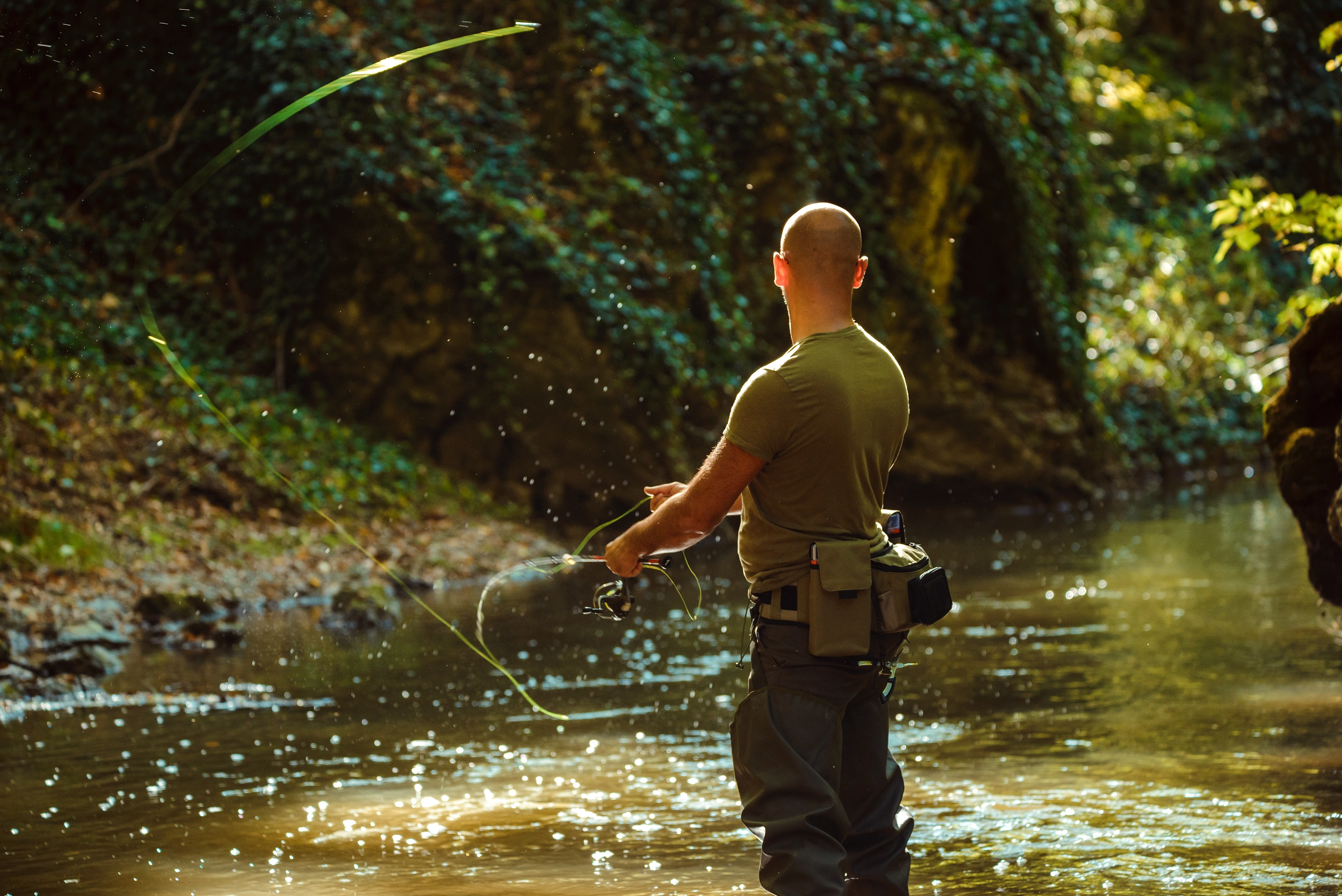
Vermont's summer fly fishing season delivers consistent action from June through August, with water temperatures stabilizing between 55°F and 68°F across most trout waters. Morning mist lifts from the White River by 8 AM, revealing eager rainbow trout rising to terrestrial patterns in the pools below covered bridges. The Vermont Fish & Wildlife Department reports peak insect activity during these months, creating predictable feeding windows that skilled anglers exploit with precision. Summer transforms Vermont's freestone rivers into productive fisheries where brown trout abandon their winter hideouts and feed aggressively in riffles and undercuts. Stream flows drop to manageable levels—typically 200-400 CFS on major rivers like the Batten Kill—creating ideal wading conditions and concentrating fish in predictable lies.02Reading the Water: Summer Conditions
Temperature and Flow Patterns
- Early June: Water temps range 58-62°F, flows moderate at 300-500 CFS
- July: Peak summer conditions, 62-68°F, flows drop to 150-300 CFS
- August: Lowest flows at 100-250 CFS, temps can spike to 70°F+ in lower elevations
- High-elevation streams: Maintain cooler temps (52-58°F) throughout summer
Key Hatch Windows
- Hendrickson: Early June, sizes 12-14, peak emergence 6-8 PM
- Blue-Winged Olive: Sporadic throughout summer, sizes 16-20, best on overcast days
- Light Cahill: Mid-June through July, sizes 14-16, evening emergence
- Terrestrials: July-August peak, ants and beetles most productive
- Trico: Late July-August, sizes 20-24, morning spinner falls
03The Fly Box: Essential Summer Patterns
Summer fly selection in Vermont focuses on versatile patterns that match the season's diverse food sources. Successful anglers carry a mix of attractors, terrestrials, and specific hatch matches sized appropriately for Vermont's varied water types.Dry Flies
- Adams: Sizes 12-16, universal attractor for uncertain conditions
- Elk Hair Caddis: Sizes 14-18, essential for evening caddis activity
- Light Cahill: Sizes 14-16, matches summer mayfly hatches perfectly
- Black Ant: Sizes 14-18, deadly during July-August terrestrial activity
- Beetle: Sizes 12-16, foam or deer hair patterns work equally well
Nymphs and Wet Flies
- Pheasant Tail Nymph: Sizes 14-18, weighted and unweighted versions
- Hare's Ear Nymph: Sizes 12-16, excellent searching pattern
- Prince Nymph: Sizes 12-16, productive attractor nymph
- Copper John: Sizes 14-18, fast-sinking option for deep pools
Streamers
- Woolly Bugger: Sizes 6-10, olive and black most productive
- Mickey Finn: Sizes 6-8, classic Vermont streamer pattern
- Muddler Minnow: Sizes 4-8, excellent for large browns
04Prime Waters
Vermont's diverse water types provide summer fishing opportunities from high-mountain brook trout streams to warm-water bass fisheries. Each system demands specific approaches based on species, structure, and seasonal conditions.Batten Kill
The Batten Kill represents Vermont's premier summer trout fishery, hosting wild brown trout and brook trout populations in crystal-clear water. Summer flows typically run 150-300 CFS, creating perfect wading conditions and concentrating fish in predictable lies.- Best access: Route 313 bridge area and Battenkill Canoe access points
- Prime water: Pools below Manchester, undercut banks near Shushan
- Tactics: Long leaders (12+ feet), terrestrials during midday, streamers at dawn/dusk
- Target species: Wild browns to 16 inches, brook trout in headwaters
White River
The White River system offers excellent summer rainbow trout fishing with regular stocking supplementing wild populations. Water temperatures remain favorable through August, with good insect activity supporting consistent surface feeding.- Best sections: Bethel area pools, South Royalton to Sharon stretch
- Access points: Route 14 bridge crossings, state fishing access areas
- Summer tactics: Morning and evening dry fly fishing, midday nymphing in deep runs
- Regulations: Check current stocking schedule and size limits
Lake Champlain
Lake Champlain transforms into a warm-water paradise during summer months, with smallmouth bass, northern pike, and walleye providing aggressive action in shallow bays and structure-rich areas.- Smallmouth bass: Target rocky points and drop-offs with streamers
- Northern pike: Focus on weedy bays using large streamers and poppers
- Equipment needs: 7-8 weight rods, wire leaders for pike, sinking lines
- Best areas: Missisquoi Bay, Otter Creek delta, Burlington waterfront
High Mountain Streams
Vermont's mountain streams offer pristine brook trout fishing in settings that remain cool throughout summer. These waters demand different tactics and provide unique challenges for dedicated anglers.- Target elevations: Above 1,500 feet for consistent cool water
- Approach: Stealth critical, short accurate casts, minimal false casting
- Flies: Small attractors, terrestrials, size 14-18 patterns
- Access: Hiking trails, ski resort areas in summer, forest service roads
05Species in Focus
Summer brings distinct behavioral patterns across Vermont's fish species, with each requiring targeted approaches during peak season conditions.Brown Trout
Brown trout become increasingly active during summer months, abandoning deep winter holds for active feeding in riffles and runs. These fish show aggressive tendencies during low-light periods but turn selective during bright midday conditions.- Peak feeding times: 5:30-8:30 AM and 6:00-9:00 PM
- Summer behavior: Active in riffles during cool mornings, retreat to shade during heat
- Prime techniques: Terrestrial dry flies, weighted nymphs in deeper pools
- Size expectations: 10-16 inches common, occasional fish to 20+ inches
Brook Trout
Native brook trout thrive in Vermont's cooler streams, showing peak activity during summer months when insect populations explode. These fish remain opportunistic feeders but prefer smaller offerings than their brown trout cousins.- Habitat preferences: Cold, well-oxygenated streams above 1,200 feet elevation
- Feeding patterns: Aggressive surface feeding during morning and evening
- Fly selection: Sizes 14-18, terrestrials particularly effective
- Conservation note: Many waters have special regulations protecting native populations
Rainbow Trout
Stocked rainbow trout provide consistent action throughout summer, with fresh stockings maintaining populations in popular waters. These fish adapt quickly to natural food sources and respond well to both nymphs and dry flies.- Stocking schedule: Regular stockings from May through September
- Best presentations: Dead-drift nymphs, drag-free dry flies
- Size range: Recently stocked fish 8-12 inches, holdovers to 16+ inches
- Prime waters: White River system, lower Ottauquechee River
Smallmouth Bass
Smallmouth bass reach peak activity during Vermont's warm summer months, providing explosive action on streamers and poppers. These fish inhabit Lake Champlain and several river systems, offering diverse fishing opportunities.- Summer patterns: Aggressive feeding in 6-15 feet of water
- Structure preferences: Rocky points, drop-offs, submerged boulders
- Effective flies: Large streamers, crayfish patterns, poppers
- Fighting characteristics: Aerial displays, strong runs, excellent sport
"Summer smallmouth in Champlain fight like fish twice their size. A 14-inch bass will clear the water three times and test every knot in your system."
06Techniques That Produce
Summer fly fishing in Vermont demands adaptability as conditions change throughout the day. Successful anglers adjust tactics based on water temperature, light conditions, and fish behavior patterns specific to the season.Dry Fly Techniques
Clear summer water requires precise presentations and natural drifts. Fish become increasingly selective as pressure mounts during peak season, making technique refinement crucial for consistent success.- Leader length: Extend to 12-15 feet for spooky fish in clear water
- Tippet diameter: 5X-6X for most situations, 7X for ultra-selective trout
- Casting approach: Longer casts to avoid spooking fish, minimal false casting
- Mending strategy: Aggressive upstream mends to achieve drag-free drifts
- Fly placement: Target feeding lanes 2-3 feet above visible rises
Nymphing Strategies
Summer nymphing focuses on getting flies deep in moderate flows while maintaining natural presentations. Vermont's freestone rivers reward anglers who master dead-drift techniques in complex currents.- Weight placement: Split shot 12-18 inches above fly for natural sink rate
- Indicator positioning: 1.5-2 times water depth above lead fly
- Drift management: High stick technique for close-range control
- Strike detection: Watch for subtle indicator pauses or sideways movement
- Two-fly rigs: Heavy point fly with lighter dropper 18 inches above
Streamer Tactics
Summer streamer fishing targets aggressive fish during low-light periods and focuses on structure that holds larger trout. These techniques prove particularly effective for trophy-class browns and lake trout.- Timing windows: Dawn and dusk provide peak streamer opportunities
- Retrieve patterns: Vary speed and pause duration to trigger strikes
- Target areas: Undercut banks, deep pools, structure transitions
- Line selection: Sinking tips for deeper presentations, floating lines for shallow runs
- Follow-up casts: Fish following streamers often take on subsequent presentations
Lake and Stillwater Methods
Vermont's lakes and ponds demand different approaches than moving water, with fish relating to structure and thermoclines during summer heat.- Early morning: Target shallow bays and inlet areas with dry flies
- Midday heat: Fish deeper with sinking lines and weighted flies
- Evening sessions: Return to shallows as water cools and insects emerge
- Structure fishing: Work drop-offs, points, and weed lines systematically
07Local Intel
Vermont's summer fishing scene benefits from decades of local knowledge accumulated by guides, shop owners, and dedicated anglers who understand seasonal nuances that separate productive days from frustrating ones.Timing Secrets
- Thunderstorm fishing: 2-3 hours before storms often produce explosive action
- Barometric pressure: Falling pressure triggers feeding activity across all species
- Moon phases: New and full moons increase terrestrial activity and night feeding
- Water releases: Dam releases on controlled rivers create temporary feeding windows
Hidden Gems
Vermont's lesser-known waters often provide better fishing than famous streams during peak summer pressure. Local anglers guard these spots but share knowledge with respectful visitors.- Beaver ponds: Check topographic maps for high-elevation brook trout opportunities
- Tributary mouths: Where small streams enter larger rivers concentrate summer fish
- Spring seeps: Cool water inputs create summer refugia for trout
- Ski area ponds: Many resort properties offer surprisingly good fishing access
Weather Patterns
- Overcast days: Extend surface feeding periods and reduce spooking
- Light rain: Often triggers terrestrial activity and aggressive feeding
- High humidity: Increases ant falls and beetle activity near water
- Stable weather: Fish become more selective, demanding precise presentations
Seasonal Progressions
- Early June: Focus on mayfly hatches and traditional dry fly fishing
- Mid-July: Terrestrials become dominant food source, adjust fly selection accordingly
- Late August: Concentrate efforts during cooler morning and evening periods
- Water levels: Target deeper pools and spring-fed areas during drought conditions
08Gear Checklist
Summer fly fishing in Vermont requires versatile equipment capable of handling diverse conditions from high-mountain brook trout streams to warm-water bass fishing on Lake Champlain.Rods and Lines
- Primary trout rod: 8'6" to 9' foot 4 or 5-weight for most stream fishing
- Small stream setup: 7'6" to 8' 3-weight for tight quarters and spooky fish
- Bass/pike rod: 9' 7 or 8-weight for Lake Champlain warm-water species
- Line selection: Weight-forward floating lines, intermediate sinking line for lakes
- Leaders: 9-12 foot tapered leaders, various tippet spools 4X through 7X
Wading Gear
- Waders: Breathable chest waders with integrated gravel guards
- Wading boots: Felt or rubber soles depending on local regulations
- Wading staff: Collapsible staff for unfamiliar or high water
- Net: Rubber-coated landing net with magnetic release
Summer-Specific Items
- Sun protection: Wide-brimmed hat, polarized sunglasses, UV-protective clothing
- Insect defense: Bug spray, head net for mosquito-heavy areas
- Hydration: Water bottles or hydration pack for long summer days
- First aid: Basic kit including bandages and antiseptic
- Multi-tool: Pliers, scissors, hook sharpener in one compact tool
Fly Storage and Organization
- Dry fly boxes: Compartmented boxes that protect hackles and wings
- Nymph storage: Slotted foam boxes for easy selection and hook protection
- Streamer wallet: Fleece-lined wallet for larger flies and articulated patterns
- Tippet holder: Organized storage for multiple tippet sizes and materials
09Regulations & Conservation
Vermont's fishing regulations change annually, and summer anglers must stay current with license requirements, bag limits, and special regulations that protect sensitive fisheries during peak season stress.License Requirements
All anglers 15 and older need a valid Vermont fishing license. The Vermont Fish & Wildlife Department offers online purchasing and provides detailed regulation summaries with each license.- Resident licenses: Annual, temporary, and combination options available
- Non-resident licenses: 1-day, 7-day, and annual permits for visiting anglers
- Youth programs: Reduced-cost licenses for anglers under 18
- Senior discounts: Reduced fees for Vermont residents over 65
Special Regulations
Many Vermont waters have specific rules designed to protect wild trout populations and maintain quality fishing experiences.- Catch-and-release areas: Several trophy sections require immediate release
- Fly-fishing-only waters: Designated areas restrict gear to artificial flies
- Seasonal closures: Some streams close during spawning periods
- Size and bag limits: Vary by water body and species, check current regulations
Conservation Practices
Summer heat stress makes proper fish handling crucial for maintaining healthy populations. Trout Unlimited provides guidelines for ethical angling during warm weather."When water temperatures exceed 68°F, consider switching to other species or taking a break. Stressed trout released in warm water have significantly higher mortality rates."
- Water temperature monitoring: Carry a thermometer and avoid fishing when temps exceed 70°F
- Quick releases: Minimize air exposure and handling time
- Barbless hooks: Easier releases with less tissue damage
- Proper technique: Support fish horizontally, never lift by gills or jaw
- Recovery time: Allow fish to recover fully before release
Access and Ethics
- Private property: Respect posted signs and obtain permission when required
- Leave No Trace: Pack out all trash, avoid damaging vegetation
- Stream etiquette: Give other anglers space, share productive water
- Parking areas: Use designated access points to avoid trespassing issues
10Sources & References
- Vermont Fish & Wildlife Department — Official fishing licenses, regulations, and stocking schedules
- USGS Water Resources Vermont — Real-time water flow and temperature data
- Trout Unlimited — Conservation practices and ethical angling guidelines
- National Weather Service Burlington — Weather forecasts and climate data for fishing planning
- Vermont Department of Forests, Parks & Recreation — State park fishing access and regulations
- Vermont Watershed Management Division — Water quality monitoring and stream assessments
- Batten Kill Watershed Alliance — Conservation efforts and stream condition reports
- Champlain Valley Fly Fishers — Local club with water condition reports and fishing access information
Top Summer flies for Vermont
Ranked by how often they show up in this season's reports.
terrestrialBeetleTerrestrial beetles are often dislodged from streamside vegetation during summer, providing an easy meal for Rainbow Trout looking for surface food near shaded banks.dryYellow SallyYellow Sally stoneflies are abundant along freestone streams in summer, drawing aggressive strikes from Rainbow Trout.dryElk Hair CaddisCaddisflies are active throughout late spring and summer, making this a reliable imitation for adult caddis and opportunistic feeders.dryTrico SpinnerTrico hatches are active in August mornings, and this pattern effectively mimics the spinner fall, targeting rising Rainbow Trout in slower water.terrestrialHopperTerrestrial insects like grasshoppers are a crucial food source for predatory fish in summer, especially along grassy banks.nymphHare's Ear NymphThe Hare's Ear Nymph is an essential year-round pattern, imitating a wide range of mayfly nymphs that are readily available to Rainbow Trout.dryLight CahillThe Light Cahill hatch is expected during summer, providing a key opportunity for trout and salmon feeding on emerging and adult mayflies.dryIsonychia DunIsonychia mayflies are actively hatching on freestone rivers during summer, making this a prime pattern for rising trout.
Waters in Vermont 21 to fish
- Batten Killriver
- Black Riverriver
- Dog Riverriver
- Green River (Windham County)river
- Lake Bomoseenlake
- Lake Champlainlake
- Lamoille Riverriver
- Mad Riverriver
- Mettawee Riverriver
- Missisquoi Riverriver
- New Haven Riverriver
- North Branch Lamoille Riverriver
- Ottauquechee Riverriver
- Otter Creek (Upper)river
- Poultney Riverriver
- Saxtons Riverriver
- Waits Riverriver
- Walloomsac Riverriver
- West Riverriver
- White Riverriver
- Winooski River (Upper)river
Fly shops nearby
Local flies, current advice and guided trips.
15MIFirst Stop Board Barn (in partnership with Endless Brook Outfitters)Unknown15MIStream and Brook Fly FishingUnknown15MIVermont Fly Fishing Orvis Endorsed Guide ServiceUnknown18MIWoodstock Inn & Resort Fly Fishing ShopWoodstock18MIWoodstock Fishing GuidesWoodstock25MIGreen Mountain AdventuresMiddlebury
Need gear or a guide?
Find fly shops near Vermont's best summer waters for local flies, advice and guided trips.
Ask an AI about this page