
March – May
Nevada fly fishingin spring: the guide
Your complete guide to spring fly fishing in Nevada. Covers top flies, active species, best waters, and expert tips for March through May.
By Cade BagleyUpdated April 9, 2026Fact-checked with state agency data
01The Spring Window
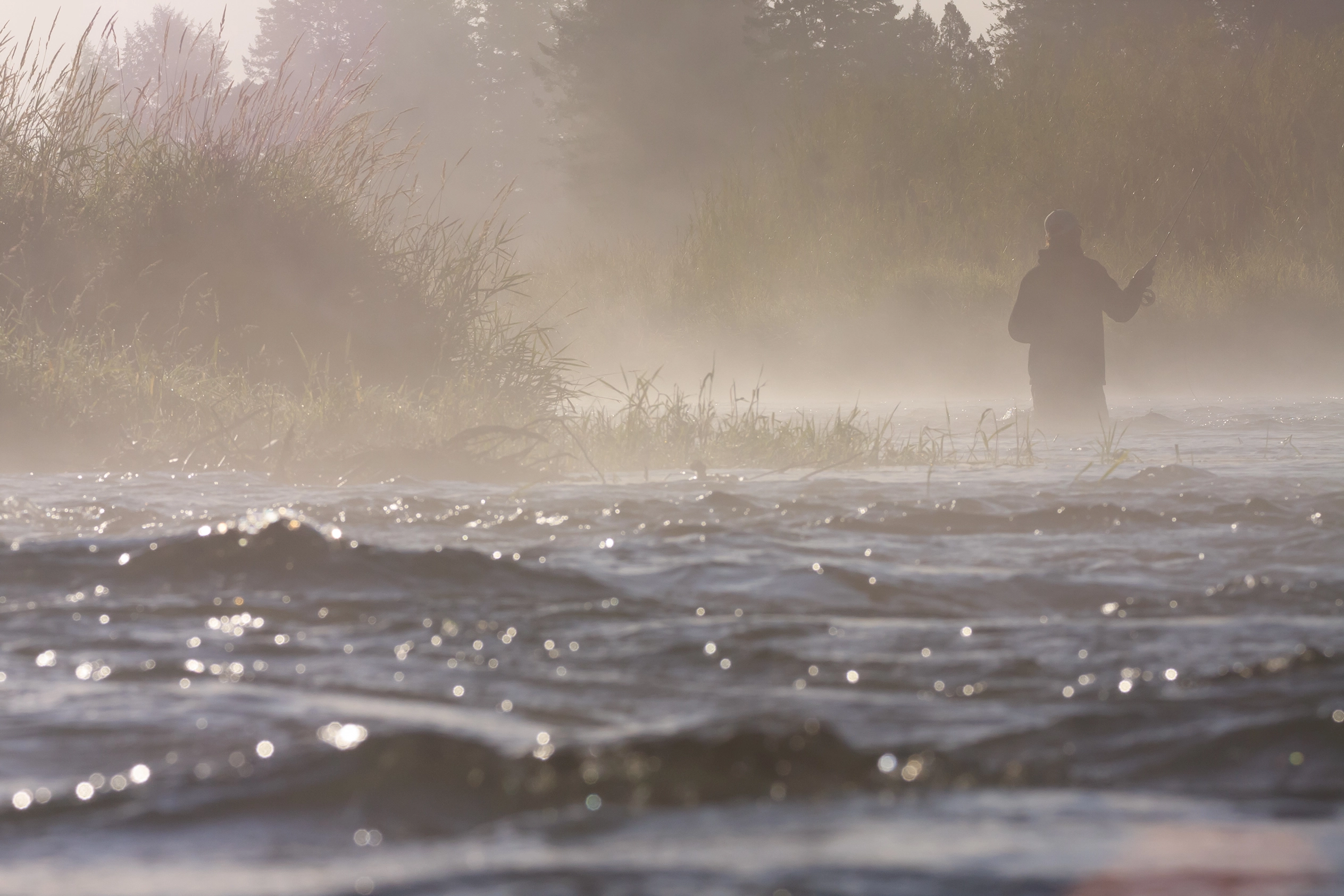
Spring transforms Nevada's high desert waters into productivity magnets as snowmelt feeds streams and warming temperatures trigger the year's most reliable hatches. Water temperatures climb from winter's 38°F to a productive 50-58°F range by May, creating perfect conditions for aggressive feeding. The season runs from March through May, with peak action typically occurring when daytime highs reach 65-75°F and morning lows stay above freezing. Nevada's elevation-driven geography creates a unique spring progression—lower elevation waters like the Truckee River near Reno hit prime conditions in March, while high-country streams like the Jarbidge River don't peak until late May. This extended window gives anglers nearly three months of quality fishing across the state.02Reading the Water: Spring Conditions
Flow and Temperature Patterns
Spring runoff typically begins in earnest during April, with flows peaking between late April and mid-May depending on snowpack and elevation. USGS gauge data shows the Carson River averaging 200-400 CFS during normal spring conditions, while the East Walker River runs between 150-300 CFS. Water clarity varies dramatically with runoff timing:- Early March: Clear water, 45-50°F temperatures, low flows around 80-120 CFS
- Mid to Late April: Peak turbidity as runoff intensifies, temperatures climbing to 52-56°F
- May: Clearing water as flows stabilize, optimal 55-60°F range
Hatch Timing and Insect Activity
Nevada's spring hatches follow predictable patterns tied to water temperature and photoperiod. The Blue-Winged Olive emergence begins when water hits 48°F consistently, typically mid-March on lower rivers. Caddis activity ramps up as temperatures reach 52°F, with peak emergences occurring from 11 AM to 3 PM."Spring in Nevada is about timing your approach to elevation and water temperature. Fish the desert rivers first, then follow the snowline up to the high country." — Local guide wisdomKey hatch windows:
- BWO (Baetis): March-May, sizes #18-22, best on overcast days
- March Brown: Late March-April, sizes #12-14, afternoon emergences
- Grannom Caddis: April-early May, sizes #14-16, evening activity
- PMD (Pale Morning Dun): May-June, sizes #16-18, morning and evening
03The Fly Box: Essential Spring Patterns
Nymph Patterns
Subsurface presentations dominate spring fishing, particularly during high, off-color water conditions. Pheasant Tail Nymphs in sizes #16-20 match the abundant Baetis nymphs, while Hare's Ear Nymphs in #12-16 imitate caddis pupae and various mayfly nymphs. Essential nymph selection:- Pheasant Tail Nymph: Sizes #16-20, olive and brown variations
- Hare's Ear Nymph: Sizes #12-16, gold ribbing for flash
- Prince Nymph: Size #12-14, excellent attractor during runoff
- Copper John: Sizes #14-18, red and copper for weight in fast water
- BWO Nymph: Sizes #18-22, olive bodies with gray wing cases
Dry Fly Arsenal
When surface activity peaks during late morning and afternoon hatches, having the right dry flies ready makes the difference. Blue-Winged Olive duns work consistently throughout spring, while Elk Hair Caddis patterns handle the afternoon caddis activity. Critical dry patterns:- BWO Dun: Sizes #18-22, olive bodies with dun wings
- Elk Hair Caddis: Sizes #14-16, tan and olive bodies
- March Brown: Size #12-14, brown body with mottled wings
- Adams: Sizes #14-18, versatile mayfly imitation
- Stimulator: Sizes #10-14, orange and yellow for high water
Streamer Tactics
Spring's higher flows and aggressive feeding behavior make streamers productive, especially for targeting larger Brown Trout and Rainbow Trout. Woolly Buggers in olive, black, and brown work consistently in 2-4 inches of water.04Prime Waters
Truckee River
The Truckee River offers Nevada's most consistent spring fishing, with the stretch from the California border to Pyramid Lake providing diverse opportunities. The Boca to Hirschdale section runs clear through early April, with excellent BWO hatches during overcast conditions. Access via Highway 89 provides multiple pullouts and informal trails. Target the deeper pools below Boca Dam using Pheasant Tail Nymphs and small Copper Johns. As runoff increases in late April, move to faster riffles where fish concentrate on feeding lanes. The railroad bridge pools hold larger fish but require careful wading in higher water.East Walker River
California's East Walker crosses into Nevada near Bridgeport, offering 15 miles of quality water before entering Bridgeport Reservoir. The Mason Valley section provides the most consistent spring action, with Rainbow Trout averaging 12-16 inches and occasional Brown Trout exceeding 20 inches. Spring strategy focuses on the transition zones between fast runs and slower pools. Hare's Ear Nymphs drifted through these areas consistently produce, particularly during the March Brown hatch in April. Access via East Walker River Road provides good bank fishing opportunities.Carson River
The Carson River's East and West forks converge near Genoa, creating Nevada's premier spring fishery below the mountains. The Alpine County section offers wild Rainbow and Brown Trout in a spectacular setting, while the lower river through Carson Valley provides easier access and consistent stocked fish action. Fish the deeper runs during peak runoff using weighted nymphs and indicators. The section near Minden offers excellent access with multiple parking areas along Foothill Road. Target the undercut banks with Woolly Buggers during morning and evening periods.Pyramid Lake
Pyramid Lake transforms in spring as massive Lahontan Cutthroat Trout move shallow to feed on emerging midges and Tui chub fry. Water temperatures in the 50-55°F range trigger the most aggressive feeding of the year, with fish averaging 4-8 pounds and specimens exceeding 20 pounds regularly caught. The Ladders area on the lake's west side provides consistent action using Woolly Buggers and large nymphs stripped through 3-8 feet of water. Pyramid requires specialized techniques—long leaders (12-15 feet), fast-sinking lines, and patience for these massive native trout.05Species in Focus
Rainbow Trout
Spring Rainbow Trout exhibit peak feeding aggression as water temperatures climb into the 52-58°F range. Recent Nevada Department of Wildlife stocking reports show heavy plants in the Truckee, Carson, and East Walker systems throughout March and April, supplementing wild populations. Feeding patterns shift dramatically with conditions:- Early season (March): Deep nymphing in slower pools, 8 AM-noon optimal
- Peak runoff (April): Streamer fishing in broken water, dawn and dusk feeding
- Late spring (May): Surface feeding during hatches, 10 AM-3 PM windows
Brown Trout
Brown Trout become increasingly active as spring progresses, with larger specimens moving from winter hideouts to actively hunt in shallow riffles and pool margins. The spawning recovery period makes spring browns particularly aggressive, especially toward streamer presentations. Focus on structure during daylight hours—undercut banks, log jams, and boulder gardens. Evening fishing with Woolly Buggers or large Stimulators produces the best results for trophy-sized fish.Lahontan Cutthroat Trout
Lahontan Cutthroat Trout at Pyramid Lake represent Nevada's signature spring fishing experience. These native giants feed aggressively on midges, scuds, and small fish as water temperatures rise above 50°F. Fish average 18-24 inches with regular specimens exceeding 8 pounds. Successful techniques require specialized approaches:- Indicator nymphing: Long leaders, #8-12 Woolly Buggers in olive and black
- Stripping patterns: Pyramid Lake specials, Tadpolies, Maholo flies
- Midge fishing: Size #18-22 patterns during calm conditions
06Techniques That Produce
High Water Nymphing
Spring runoff demands adapted nymphing techniques to reach fish in fast, deep water. Use heavily weighted flies—Copper Johns, lead-wrapped Hare's Ears, and tungsten-beaded patterns. Split shot placement 12-18 inches above the fly helps maintain bottom contact without excessive weight on the fly itself. Target feeding lanes where current breaks create softer water adjacent to main flows. Cast upstream and across, allowing the rig to sink before entering the target zone. High-stick techniques keep maximum line off the water, maintaining better drift control in complex currents.Streamer Presentations
Spring's aggressive fish respond well to active streamer fishing, particularly in higher, off-color water. Woolly Buggers in sizes #6-10 work best, with olive and black most productive during daylight hours. Quarter-downstream presentations allow maximum swing action while maintaining control. Vary retrieve speeds—fast strips often trigger strikes from following fish, while slower, pulsing retrieves work better in colder water below 50°F.Dry Fly Timing
Surface feeding windows become predictable once water temperatures stabilize above 50°F. BWO hatches typically begin around 11 AM on overcast days, with peak activity from noon to 2 PM. Caddis emergences start later, usually beginning around 1 PM and continuing until dusk. Position below rising fish and cast upstream, allowing natural drift patterns. Spring fish often take flies aggressively, making drag-free drifts less critical than during summer conditions.07Local Intel
Nevada's spring fishing success depends heavily on timing elevation changes and understanding local water release patterns. The Truckee River benefits from controlled releases from upstream reservoirs, creating more consistent flows than purely snowmelt-dependent systems.Timing the Elevations
Start the season on lower elevation waters around Reno and Carson City (4,000-5,000 feet), then progress upward as snowmelt advances. The East Walker near Bridgeport (6,500 feet) typically peaks 2-3 weeks later than the Truckee near Reno. High country streams above 7,000 feet don't clear until late May or early June.Weather Pattern Insights
Spring storms create the best fishing conditions 24-48 hours after passing. Barometric pressure drops often trigger BWO hatches even when temperatures seem too low. Watch for stable weather patterns lasting 3-4 days—these create the most predictable hatch timing.Access Considerations
Many high-elevation access roads remain impassable through April due to snow. Always check current conditions with Nevada Department of Wildlife before attempting to reach remote waters. Popular areas like the upper Carson River may require 4WD vehicles and chains through early May.08Gear Checklist
Rod and Line Setup
A 9-foot, 5-weight rod handles most Nevada spring conditions effectively. Pair with weight-forward floating line and carry a 250-grain sinking tip section for deeper nymphing and streamer work. The versatility covers everything from delicate dry fly presentations to getting down in fast spring flows.- Primary rod: 9-foot, 5-weight fast action
- Backup rod: 8'6" 4-weight for smaller streams
- Lines: WF5F floating, 250-grain sink tip
- Leaders: 9-foot 4X-6X tapered leaders
- Tippet: 4X-6X fluorocarbon, 6X-7X for dry flies
Wading and Safety
Spring runoff creates dangerous wading conditions that can change rapidly. Chest waders with felt soles provide necessary traction on Nevada's often-slippery granite and basalt streambeds. Always carry a wading staff during peak runoff periods.- Waders: Chest-high breathable waders
- Boots: Felt-soled wading boots (where legal) or studded rubber
- Wading staff: Essential during high water
- Safety: Whistle, cell phone in waterproof case
Clothing and Accessories
Nevada's high desert climate creates extreme temperature swings, especially in early spring. Layer systems handle morning temperatures in the 30s that climb to 70s by afternoon. Sun protection becomes critical at elevation.- Base layer: Merino wool or synthetic
- Insulation: Fleece or down vest
- Outer layer: Waterproof/breathable jacket
- Hat: Brimmed hat with neck protection
- Sunglasses: Polarized with retention strap
- Sunscreen: SPF 30+ for high elevation exposure
09Regulations & Conservation
Nevada fishing requires a valid state license, available through the Nevada Department of Wildlife website or licensed vendors statewide. Non-residents pay $56 for an annual license, while short-term options include 3-day ($18) and 10-day ($31) permits.Special Regulations
Several waters carry specific restrictions that change seasonally. The Truckee River from the California border to Derby Dam operates under special regulations with a 14-inch minimum on Rainbow Trout and Brown Trout, with a daily limit of 2 fish. Pyramid Lake requires a special permit ($9 daily, $40 annual) in addition to the state license. All Lahontan Cutthroat Trout between 17-20 inches must be released to protect the breeding population. Key regulation highlights:- General trout limit: 5 fish daily, 10 in possession
- Special regulation waters: Check current NDOW regulations
- Barbless hooks required: Many catch-and-release areas
- Felt sole restrictions: Prohibited on some waters to prevent invasive species
Conservation Ethics
Nevada's native Lahontan Cutthroat Trout represent one of North America's great conservation success stories. These fish disappeared from most of their range by the 1940s but have been restored through dedicated management efforts. Practicing proper catch-and-release techniques helps maintain these recovering populations. Support conservation efforts by participating in Trout Unlimited habitat projects and following Leave No Trace principles. Pack out all trash, avoid trampling streamside vegetation, and respect private property boundaries.10Sources & References
- Nevada Department of Wildlife - Official fishing regulations, stocking reports, and license information
- USGS Water Resources - Real-time stream flow and temperature data for Nevada waters
- Trout Unlimited - Conservation initiatives and habitat restoration projects in Nevada
- NDOW Fishing Regulations - Current season regulations and special area restrictions
- Nevada Fishing Licenses - License purchasing options and fee structure
- National Weather Service Reno - Local weather forecasts and conditions affecting fishing
- Pyramid Lake Paiute Tribe - Special permits and regulations for Pyramid Lake fishing
- Humboldt-Toiyabe National Forest - Access information for high-elevation fishing areas
Top Spring flies for Nevada
Ranked by how often they show up in this season's reports.
nymphScudFreshwater shrimp (scuds) are a consistent food source in lakes, especially in areas with aquatic vegetation. A pink or orange Scud can be very effective in early spring for Rainbow Trout, Brown Trout, and opportunistic Lake Trout.dryBlue-Winged Olive ComparadunBlue-Winged Olives continue to hatch in early spring, particularly on overcast days, making this low-profile dry fly excellent for selective trout feeding on emergers and adults on the Truckee River.streamerWoolly BuggerAn essential streamer for enticing aggressive strikes from trout, imitating leeches and baitfish active in colder spring flows.nymphMarch Brown NymphMarch Brown nymphs are actively present and a primary food source in the Truckee River during spring, as confirmed by recent angler reports.dryMarch Brown DryMarch Brown adults are actively hatching in the Truckee River during early spring, providing excellent dry fly opportunities, as indicated by recent angler reports.dryMother's Day CaddisThe prolific Mother's Day Caddis hatch is expected in late April through May on Western rivers, making this a prime pattern for adult caddis on the Truckee River.nymphZebra MidgeMidges are a primary active insect even in cold water, making this a staple year-round pattern, highly effective for enticing finicky trout subsurface.dryElk Hair CaddisCaddisfly activity increases in late spring; this is a reliable imitation for adult caddis.
Waters in Nevada 7 to fish
Fly shops nearby
Local flies, current advice and guided trips.
Need gear or a guide?
Find fly shops near Nevada's best spring waters for local flies, advice and guided trips.
Ask an AI about this page