
June – August
Maine fly fishingin summer: the guide
Your complete guide to summer fly fishing in Maine. Covers top flies, active species, best waters, and expert tips for June through August.
By Cade BagleyUpdated October 17, 2026Fact-checked with state agency data
01The Summer Window
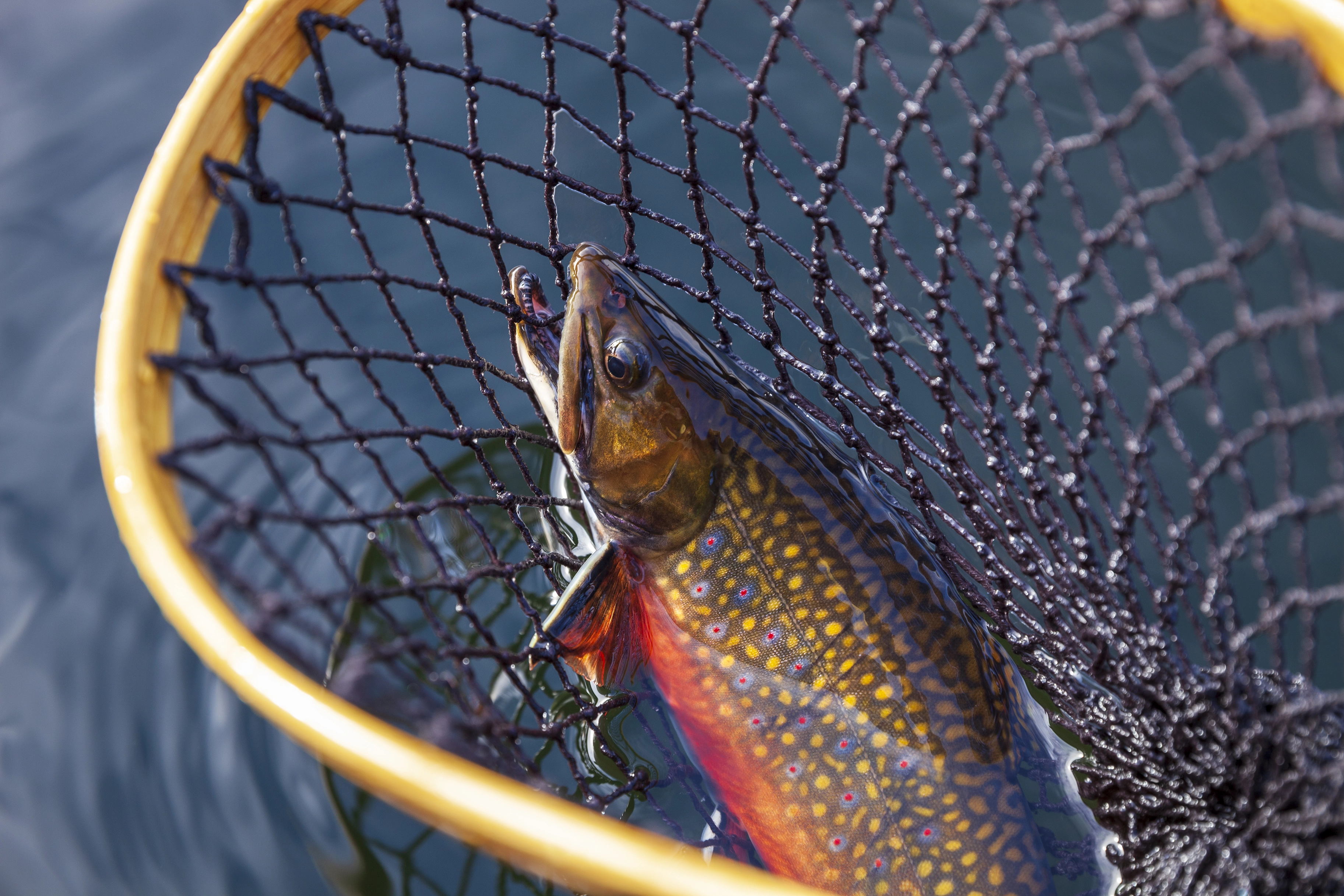
Maine's summer fishing window delivers peak conditions from mid-June through August, when water temperatures stabilize between 55-68°F across the state's premier waters. Morning mist lifts early from Rangeley Lake, revealing glassy surfaces broken only by rising landlocked salmon and aggressive brook trout. Average daytime air temperatures of 75-80°F create comfortable conditions for long days on the water, while extended daylight—sunrise around 5:15 AM and sunset past 8:00 PM—maximizes fishing windows.02Reading the Water: Summer Conditions
Summer water conditions in Maine follow predictable patterns that savvy anglers exploit. USGS gauge data shows most rivers running at 60-80% of average flows by July, with clear water and stable temperatures.Lake Conditions
- Surface temperatures: 65-72°F in major lakes by July
- Thermocline depth: 15-25 feet in deeper waters like Sebago Lake
- Best fishing zones: 8-18 feet where temperatures drop to 58-62°F
- Visibility: 12-15 feet in clear mountain lakes
River Dynamics
- Flow rates: Magalloway River typically runs 150-250 CFS in summer
- Water temperatures: Peak at 2-4 PM, coolest at dawn
- Clarity: Gin-clear conditions ideal for sight fishing
- Oxygen levels: Highest in riffles and pocket water
Hatch Calendar
"Summer hatches in Maine are about consistency rather than intensity—smaller flies, longer presentations, and patient approach."
- Blue-winged Olives: Size 16-20, sporadic afternoon emergences
- Caddisflies: Evening hatches from 6-9 PM, sizes 14-18
- Terrestrials: Peak activity July-August, ants and beetles
- Mayfly spinners: Light Cahills and sulfurs at dusk
03The Fly Box: Essential Summer Patterns
Maine's summer fly selection emphasizes versatility and subtlety. Clear water and educated fish demand refined presentations with natural-looking patterns.Dry Flies
- Adams (sizes 14-18): Universal mayfly imitation for selective trout
- Elk Hair Caddis (sizes 14-16): Evening caddis hatches on rivers
- Black Ant (sizes 16-20): Essential terrestrial for July-August
- Blue-Winged Olive (sizes 18-20): Afternoon emergences
- Royal Wulff (sizes 12-16): High-floating attractor for pocket water
Nymphs and Wet Flies
- Pheasant Tail Nymph (sizes 16-18): Subsurface mayfly imitation
- Hare's Ear Nymph (sizes 14-16): Caddis pupa patterns
- Prince Nymph (sizes 12-16): Attractor pattern for aggressive fish
- Soft Hackle (sizes 14-18): Emerging insect imitation
Streamers
- Woolly Bugger (sizes 6-10): Black, olive, brown variations
- Muddler Minnow (sizes 6-8): Sculpin imitation for big browns
- Gray Ghost (sizes 4-8): Classic Maine smelt pattern
- Black Ghost (sizes 6-10): Landlocked salmon favorite
Rigging Recommendations
- Leaders: 9-12 feet, 5X-6X tippet for dry flies
- Nymph rigs: Split shot 18 inches above fly
- Streamer setup: 7.5-foot leader, 2X-3X tippet
- Lake fishing: Sinking tip lines for deeper presentations
04Prime Waters
Maine's diverse fisheries offer everything from intimate brook trout streams to expansive salmon lakes. Each water type requires specific tactics and timing.Mountain Lakes
Rangeley Lake stands as Maine's premier fly fishing destination, with consistent populations of native brook trout and landlocked salmon. Fish the drop-offs near Rangeley Village in 12-18 feet of water using Gray Ghost streamers. Early morning and evening periods produce best results, with surface activity peaking during Hexagenia hatches in late June.- Best access: State boat launch on Route 4
- Prime areas: Mouth of Rangeley Stream, Doctors Island
- Techniques: Trolling streamers, casting to rising fish
- Regulations: Special rules apply—check current limits
Rivers and Streams
Magalloway River flows clear and cold from Aziscohos Lake, maintaining excellent trout habitat through summer. Wade upstream from the Aziscohos Dam, fishing pocket water with Adams and Elk Hair Caddis patterns. Summer flows of 150-250 CFS create ideal conditions for sight fishing.- Access points: Wilson's Mills, Route 16 bridge
- Target species: Brook trout, occasional salmon
- Best techniques: High-stick nymphing, dry fly presentations
- Water temp: Rarely exceeds 65°F
Coastal Waters
Sebago Lake provides exceptional summer fishing for landlocked salmon and lake trout. Target the thermocline at 18-25 feet using lead-core lines and traditional streamers. The Raymond Bay area offers consistent action throughout summer months.05Species in Focus
Maine's summer fishing revolves around three primary species, each with distinct behavior patterns and preferred habitats.Brook Trout
Brook trout remain active throughout summer in cold-water environments. Fish concentrate in spring holes, tributary mouths, and deep pools during warm periods.- Peak feeding: Dawn and dusk, 45-90 minutes
- Preferred temps: 52-65°F optimal range
- Summer locations: Deeper pools, spring-fed areas
- Top patterns: Adams, Woolly Bugger, terrestrials
- Average size: 8-14 inches, with occasional 16-18 inch specimens
Landlocked Salmon
Landlocked salmon follow baitfish schools and temperature breaks. Summer fishing requires deep presentations in lakes, while river fish respond to current breaks and pools.- Feeding windows: Early morning, late evening
- Summer behavior: Move to thermocline depths (15-25 feet)
- Prime patterns: Gray Ghost, Black Ghost, smelt imitations
- Best techniques: Trolling, cast-and-retrieve from boats
- Size range: 14-20 inches typical, 22+ inch fish possible
Smallmouth Bass
Smallmouth bass thrive in Maine's warmer waters, particularly rocky lake shores and river pools. Summer presents peak feeding activity with aggressive strikes.- Active periods: All-day feeding in moderate temperatures
- Preferred structure: Rocky points, drop-offs, submerged boulders
- Top flies: Woolly Bugger, crayfish patterns, poppers
- Summer tactics: Strip streamers, topwater early/late
- Size expectations: 12-16 inches average, 18+ inch trophy fish
06Techniques That Produce
Summer fly fishing in Maine demands technical precision and adaptation to clear water conditions. Successful anglers adjust presentations based on species, water type, and time of day.Lake Fishing Strategies
Thermocline Targeting: Use a fish finder or temperature probe to locate the 58-62°F zone where salmon and trout concentrate. Position the boat over drop-offs and troll Gray Ghost streamers at 2.5-3 mph using lead-core lines.- Line setup: 200-300 feet of lead-core for proper depth
- Speed control: Maintain steady trolling pace
- Fly selection: Smelt patterns in 4-6 inch lengths
- Strike detection: Watch for subtle line movement
River Techniques
High-Stick Nymphing: Maine's clear water requires drag-free drifts with minimal line on water. Use a 10-11 foot rod to maintain contact while keeping line off the surface.- Leader length: 1.5 times water depth
- Weight placement: Split shot 18 inches above fly
- Drift technique: Follow fly downstream with rod tip
- Strike detection: Watch for line hesitation or upstream movement
Streamer Fishing
Structure Targeting: Cast Muddler Minnow patterns tight to undercut banks, fallen trees, and boulder fields. Vary retrieve speeds from slow crawl to aggressive strips.- Presentation angles: Cast across and downstream
- Retrieve patterns: Strip-pause-strip triggers strikes
- Color selection: Match local baitfish—gray for smelt, brown for sculpins
- Timing: Early morning and evening produce best results
07Local Intel
Maine guides share hard-earned knowledge about timing, access, and seasonal patterns that separate successful anglers from the crowd.Timing Windows
Dawn Patrol: First light triggers surface activity on most Maine waters. Arrive 30 minutes before sunrise to position for the morning bite. Landlocked salmon often surface-feed for 45-60 minutes after sunrise. Evening Magic Hour: The period from 6:30-8:30 PM produces consistent dry fly action. Caddisflies emerge during this window, bringing trout to the surface for reliable fishing.Weather Patterns
- Overcast days: Extend surface feeding throughout daylight hours
- High pressure: Fish deeper, use smaller flies
- Thunderstorms: Excellent fishing 2-3 hours after passage
- Cold fronts: Shut down surface activity for 24-48 hours
Access Secrets
Hidden Gems: Many productive waters lack formal access points. Look for abandoned logging roads and footpaths leading to remote ponds. Carry a GPS unit and inform others of your plans. Timing Crowds: Popular waters see heavy pressure on weekends. Midweek fishing, especially Tuesday-Thursday, offers solitude and less pressured fish.Local Fly Shops
- Rangeley Region Sport Shop: Current conditions and local patterns
- The Fly Shack (West Paris): Hand-tied Maine classics
- L.L.Bean Outdoor Discovery Schools: Guided instruction programs
- Oquossoc Angling: Rangeley Lake specialists
08Gear Checklist
Maine's summer conditions require specific gear selections for diverse fishing situations. Pack for both comfort and functionality across multiple water types.Rod and Reel Systems
- 5-weight, 9-foot rod: Primary dry fly and light nymph fishing
- 6-weight, 9-foot rod: Streamers and windy lake conditions
- Reel specifications: Large arbor with smooth drag system
- Spare spools: Floating, sink-tip, and full-sinking lines
Lines and Leaders
- Weight-forward floating: Primary line for dry flies and nymphs
- Sink-tip (Type III): Streamer fishing in moving water
- Lead-core line: Deep lake fishing for salmon
- Leaders: 9-12 foot tapered, 4X-6X tippet material
Wading Gear
- Breathable waders: Stockingfoot design with quality boots
- Wading boots: Felt or rubber soles (check regulations)
- Wading staff: Essential for unfamiliar rocky bottoms
- Chest pack: Easy access to fly boxes and tippet
Essential Accessories
- Polarized sunglasses: Amber or copper lenses for overcast days
- Sun protection: UPF-rated shirts and wide-brim hat
- Insect repellent: DEET-based for black fly protection
- Net: Rubber bag to protect fish
- Forceps: Hook removal and fly crushing
- Thermometer: Water temperature monitoring
09Regulations & Conservation
Maine's fishing regulations protect native species while providing quality angling opportunities. Current rules emphasize catch-and-release practices and habitat conservation.Licensing Requirements
All anglers 16 and older must possess a valid Maine fishing license. Non-residents can purchase daily, 7-day, or season licenses through the Maine Department of Inland Fisheries & Wildlife online system.- Resident season license: $25 (2024 rates)
- Non-resident season license: $64
- Non-resident 7-day license: $43
- Conservation license surcharge: Additional $1
Special Regulations
Many premier waters operate under special rules designed to protect wild fish populations and enhance angling quality.- Fly fishing only waters: Numerous streams and pond sections
- Catch-and-release areas: Magalloway River above Aziscohos Dam
- Size and bag limits: Vary by water body—check current regulations
- Bait restrictions: Live fish prohibited statewide
Conservation Practices
Catch-and-Release Techniques: Maine's native brook trout populations benefit from careful handling and prompt release practices.- Barbless hooks: Required in many special regulation waters
- Landing practices: Use rubber nets, avoid removing fish from water
- Photography: Keep fish wet during brief photo sessions
- Revival techniques: Face fish upstream in current for recovery
- Wader cleaning: Prevent invasive species transport between waters
- Leave No Trace: Pack out all trash and fishing line
- Stream corridor respect: Minimize bank erosion and vegetation damage
- Water temperature awareness: Avoid fishing when temps exceed 70°F
10Sources & References
- Maine Department of Inland Fisheries & Wildlife — Official regulations, stocking reports, and license information
- USGS Water Resources of Maine — Real-time stream flow and water temperature data
- Trout Unlimited Maine — Conservation programs and habitat restoration projects
- National Weather Service Gray, Maine — Weather forecasts and water temperature trends
- Maine State Parks Fishing Information — Access points and park-specific regulations
- Lake Stewards of Maine — Water quality monitoring and lake ecology data
- Maine Audubon Society — Watershed protection and environmental education
- Maine Professional Guides Association — Licensed guide directory and industry standards
Top Summer flies for Maine
Ranked by how often they show up in this season's reports.
emergerBrown Drake EmergerAs indicated in recent angler reports, trout and salmon become more cautious after initial aggressive takes on duns, making emerger patterns, especially 'torn up' ones, more effective for selective fish keying on vulnerable insects in the film.dryBrown DrakeAngler reports indicate a great and prolonged brown drake hatch in the region, bringing many trout and salmon to the surface, with aggressive takes early in the hatch.terrestrialBeetleTerrestrial beetles are frequently dislodged from streamside vegetation during summer, and this foam pattern is highly effective for trout and salmon looking for surface food near shaded banks.nymphHellgrammite FlyMimicking large aquatic larvae, this subsurface pattern is deadly for smallmouth bass holding around rocky structure, a consistent food source year-round.dryHopper JuanTerrestrial insects like grasshoppers are a crucial summer food source along the grassy banks, attracting opportunistic salmon and bass.dryElk Hair CaddisCaddis hatches are explicitly active in Grand Lake Stream during August, making this a staple pattern for rising fish.dryStimulatorA large attractor pattern that effectively imitates golden stoneflies or larger terrestrials, drawing aggressive strikes from all target species during summer.dryTrico SpinnerTrico hatches are explicitly active in Grand Lake Stream during August, targeting selective fish in slower water.
Waters in Maine 17 to fish
- Androscoggin River (Upper)river
- Big Wilson Streamspring creek
- Dennys Riverriver
- Grand Lake Streamriver
- Kennebago Riverriver
- Kennebec River (Bingham to The Forks)river
- Little Kennebago Lakelake
- Magalloway Riverriver
- Meduxnekeag Riverriver
- Mooselookmeguntic Lakelake
- Narraguagus Riverriver
- Pierce Pondlake
- Pleasant River (Columbia Falls)river
- Rangeley Lakelake
- Sebago Lakelake
- West Branch Penobscot River (Ripogenus)river
- West Branch Union Riverriver
Fly shops nearby
Local flies, current advice and guided trips.
Need gear or a guide?
Find fly shops near Maine's best summer waters for local flies, advice and guided trips.
Ask an AI about this page