
Kansas fly fishingin summer: the guide
01The Summer Window
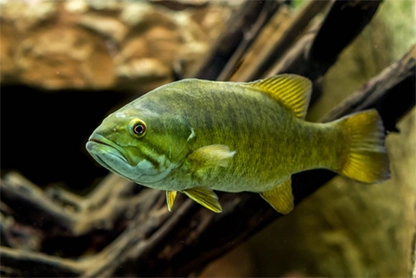
Summer fly fishing in Kansas transforms from a pursuit of cold-water species to a warm-water paradise. Water temperatures climb to 75-85°F across the state's lakes and rivers, triggering aggressive feeding behavior from largemouth bass, smallmouth bass, and white bass. Morning fog lifts early off Clinton Lake and Perry Lake, revealing surface action that peaks during the golden hour between 6-8 AM before the heat drives fish deeper.
The season's appeal lies in predictable patterns: bass holding tight to structure during midday heat, then moving shallow for evening feeding sprees. USGS data shows summer flows averaging 500-2,000 CFS on major rivers, with clarity remaining good despite occasional thunderstorms that muddy the water for 2-3 days.
02Reading the Water: Summer Conditions
Summer conditions in Kansas create distinct fishing windows. Water temperatures peak in July, reaching 82-85°F in shallow bays and coves, while deeper main-lake areas stabilize around 75-78°F. Thermoclines establish at 12-18 feet in most reservoirs, concentrating baitfish and predators in predictable zones.
Flow and Clarity Patterns
- Lake levels: Most reservoirs run 1-3 feet below normal pool due to summer draw-down for flood control
- River clarity: 2-4 feet visibility during stable weather, dropping to 6-12 inches after storms
- Best conditions: 48-72 hours after rain events when water clears but remains stained
- Wind impact: Consistent 10-15 mph southerly winds create productive windward banks
Seasonal Hatch Activity
Kansas summer hatches focus on terrestrials and warm-water aquatic insects. Peak activity occurs during stable high-pressure systems:
- Damselfly nymphs: June-July emergence, best fished 10 AM-2 PM near vegetation
- Cicada activity: Sporadic but explosive, typically every 13-17 years with localized broods
- Terrestrial peak: Grasshoppers, ants, and beetles from July through August
- Midge activity: Consistent throughout summer, especially effective at dawn and dusk
03The Fly Box: Essential Summer Patterns
Summer fly selection in Kansas revolves around warm-water species and opportunistic feeding. Bass, white bass, and panfish dominate the action, requiring patterns that imitate baitfish, crayfish, and terrestrial insects.
Streamer Patterns
- Clouser Minnow: Sizes #2-#6 in chartreuse/white and olive/white. Fish with 3-4 second strips near structure
- Woolly Bugger: #4-#8 in olive, black, or brown. Deadly for smallmouth bass in Spring River eddies
- Zonker: #2-#4 white or olive. Excellent for white bass schools at Tuttle Creek Lake
- Sex Dungeon: #1/0-#2 for trophy largemouth bass around heavy cover
Topwater and Surface Patterns
- Poppin' Bug: #2-#6 in yellow, chartreuse, or frog patterns for early morning bass
- Deer Hair Bass Bug: #1/0-#4, natural colors for pressured fish
- Gurgler: #4-#8 for aggressive white bass surface feeding
- Hopper Pattern: #6-#10 during late summer terrestrial activity
Nymph and Subsurface Patterns
- Damselfly Nymph: #8-#12 olive or brown, fished with slow strips near weed beds
- Crayfish Pattern: #2-#6 in natural browns and olives for bottom-hugging presentations
- Leech Pattern: #4-#8 black or maroon, effective in deeper water columns
"Summer bass fishing in Kansas is about timing and structure. Fish the shallows early, then target points and drop-offs once the sun climbs high." — Local Kansas guide
04Prime Waters
Kansas offers diverse warm-water fly fishing opportunities across its reservoir system. Each water body presents unique characteristics and species compositions.
Clinton Lake
This 9,000-acre impoundment near Lawrence provides excellent largemouth and smallmouth bass fishing. The north end features extensive shallow bays perfect for topwater action during summer mornings.
- Best access: Hickory Point and Bloomington East boat ramps
- Target areas: Rocky points on the main lake, shallow coves with timber
- Peak times: Dawn and dusk surface activity, midday deeper structure
- Regulations: 15-inch minimum on largemouth bass, 12-inch minimum on smallmouth
Wilson Lake
Known for trophy smallmouth bass and excellent walleye populations. The clear water and rocky structure create ideal conditions for sight-fishing aggressive bronzebacks.
- Walleye zone: Evening fishing along dam face and deeper flats
- Smallmouth structure: Rock piles and points in 8-15 feet of water
- Summer pattern: Early topwater, then switch to streamers along ledges
Cheney Reservoir
Home to hybrid striped bass (wipers) that provide explosive topwater action. These fish school aggressively and respond well to streamer patterns.
- Wiper hotspots: Main lake points during morning and evening feeds
- Best patterns: Large Clouser Minnows and surface poppers
- Access notes: Multiple state park ramps with good parking
05Species in Focus
Summer brings Kansas warm-water species to peak activity levels. Understanding species-specific behavior patterns dramatically improves success rates.
Largemouth Bass
Peak feeding occurs during the first two hours after sunrise and the last hour before sunset. Summer fish relate strongly to structure and cover.
- Feeding schedule: Dawn surface activity, midday deeper ambush points
- Prime temps: Most active when water temperatures range 72-78°F
- Preferred structure: Fallen timber, boat docks, weed line edges
- Best techniques: Poppers at dawn, streamers mid-morning through evening
Smallmouth Bass
More active during daylight hours than largemouth bass. These fish cruise rocky areas and respond aggressively to moving presentations.
- Habitat preference: Rocky points, ledges, and boulder fields
- Summer pattern: Shallow water early, then 8-15 foot depths
- Fighting characteristics: Aerial displays and powerful runs toward structure
White Bass
School fish that provide fast action when located. Summer schools roam open water following baitfish concentrations.
- School indicators: Diving birds, surface disturbances, fish finder marks
- Peak activity: Early morning and late evening surface feeds
- Best presentations: Fast-stripped streamers through active schools
06Techniques That Produce
Summer fly fishing in Kansas demands adaptability. Water temperatures and changing conditions require tactical adjustments throughout the day.
Early Morning Surface Action
The golden hour from sunrise to 8 AM produces the season's most exciting fishing. Surface temperatures drop to 70-75°F overnight, triggering aggressive topwater feeding.
- Casting approach: Long casts to avoid spooking fish in clear, calm conditions
- Retrieve style: Slow, steady pops with 3-5 second pauses
- Target zones: Shallow bays, points, and structure edges in 2-8 feet
- Equipment notes: 7-8 weight rods handle large poppers and strong fish
Midday Structure Fishing
As surface temperatures climb above 80°F, bass move to deeper structure and shade. This requires different presentations and fly selections.
- Depth targets: 8-15 feet along points, ledges, and underwater humps
- Presentation keys: Weighted streamers with sink-tip lines
- Retrieve patterns: Vary speeds from dead-drift to aggressive strips
- Structure reading: Use electronics to locate fish-holding features
Evening Transition Period
The hour before sunset often produces the day's best fishing as temperatures moderate and fish move shallow to feed.
- Pattern selection: Start with subsurface presentations, then switch to topwater
- Location strategy: Focus on the same areas productive at dawn
- Weather factors: Slight chop from evening breezes can extend the bite
07Local Intel
Kansas summer fishing success relies heavily on timing and local knowledge. Experienced anglers understand subtle patterns that separate good days from exceptional ones.
Weather Windows
- High pressure systems: Create stable conditions but may slow fishing after 2-3 days
- Approaching fronts: Trigger feeding activity 12-24 hours before arrival
- Post-storm recovery: Best fishing occurs 48-72 hours after weather clears
- Moon phase impact: New moon periods often produce better night fishing
Seasonal Timing Secrets
- June focus: Post-spawn recovery creates aggressive feeding windows
- July pattern: Deep structure fishing dominates during peak heat
- August opportunity: Late summer terrestrial activity brings fish shallow
- Water level management: Summer draw-downs concentrate fish near remaining structure
Lesser-Known Productive Waters
- Pomona Lake: Excellent crappie fishing in timber areas using small streamers
- Private ponds: Many farm ponds offer permission-based fishing for trophy bass
- River backwaters: Oxbows and sloughs hold concentrations of multiple species
"The key to summer success in Kansas is understanding that fish don't disappear—they just change their daily schedules. Adjust your timing, and the action follows." — Longtime Kansas angler
08Gear Checklist
Summer conditions in Kansas demand versatile tackle systems capable of handling large warm-water fish and varying presentations throughout the day.
Rod and Reel Systems
- Primary rod: 7-8 weight, 9-foot fast-action for bass and streamers
- Backup option: 6-weight, 9-foot medium-action for panfish and lighter presentations
- Reel requirements: Large arbor with strong drag system, 150+ yards backing
- Specialty consideration: Switch rods for quick line changes between techniques
Line Systems
- Floating line: Weight-forward taper for topwater and shallow presentations
- Sink-tip line: 10-15 foot intermediate tip for midday structure fishing
- Leaders: 7.5-9 foot, 1X-3X fluorocarbon for clear water conditions
- Tippet material: 12-20 lb fluorocarbon for bass, 8-12 lb for panfish
Essential Accessories
- Sun protection: Wide-brim hat, UV-blocking shirt, polarized sunglasses
- Landing tools: Large rubber net for bass, lip grippers for easy release
- Storage: Large fly box with compartments for streamers and poppers
- Safety items: Sunscreen (SPF 30+), plenty of water, first aid basics
Wading and Boat Considerations
- Wading boots: Felt or rubber soles for rocky lake bottoms
- Lightweight waders: Breathable chest-highs for early morning fishing
- Boat fishing: Elevated casting platform improves sight-fishing opportunities
- Electronics: Fish finder with GPS for locating and marking productive structure
09Regulations & Conservation
Kansas fishing regulations protect the state's warm-water fisheries through length limits, creel restrictions, and seasonal considerations. Current regulations ensure sustainable fishing opportunities for future generations.
License Requirements
- Resident annual: $27.50 for fishing license
- Non-resident annual: $52.50 for fishing license
- One-day options: $13.50 resident, $16.50 non-resident
- Purchase locations: Online, license vendors, or KDWPT offices
Complete current regulations are available through the Kansas Department of Wildlife and Parks website.
Key Species Regulations
- Largemouth bass: 15-inch minimum length, 5 fish daily creel limit
- Smallmouth bass: 12-inch minimum length, 5 fish daily creel limit
- White bass: No minimum length, 30 fish daily creel limit
- Walleye: 15-inch minimum length, 5 fish daily creel limit
- Crappie: 10-inch minimum length, 50 fish daily creel limit
Conservation Practices
- Catch and release: Use barbless hooks and proper handling techniques
- Water quality: Avoid fishing during algae blooms or low-oxygen events
- Habitat protection: Respect spawning areas and aquatic vegetation
- Clean drainage: Inspect and clean equipment between different water bodies
Anglers should verify current regulations before fishing, as rules may change annually based on fish population surveys and management objectives.
10Sources & References
- Kansas Department of Wildlife and Parks - Official fishing regulations and license information
- USGS Water Resources - Real-time water data for Kansas streams and lakes
- Trout Unlimited - Conservation resources and fishing techniques
- National Weather Service Dodge City - Local weather forecasts and conditions
- Recreation.gov - State park camping and access information
- Kansas Outdoors - Local fishing reports and water conditions
- Bass Anglers Sportsman Society - Warm-water fishing techniques and conservation
- U.S. Fish and Wildlife Service - National refuge fishing opportunities in Kansas
Top Summer flies for Kansas
Ranked by how often they show up in this season's reports.
Waters in Kansas 8 to fish
Need gear or a guide?
Find fly shops near Kansas's best summer waters for local flies, advice and guided trips.