
June – August
Hawaii fly fishingin summer: the guide
Your complete guide to summer fly fishing in Hawaii. Covers top flies, active species, best waters, and expert tips for June through August.
By Cade BagleyUpdated October 17, 2026Fact-checked with state agency data
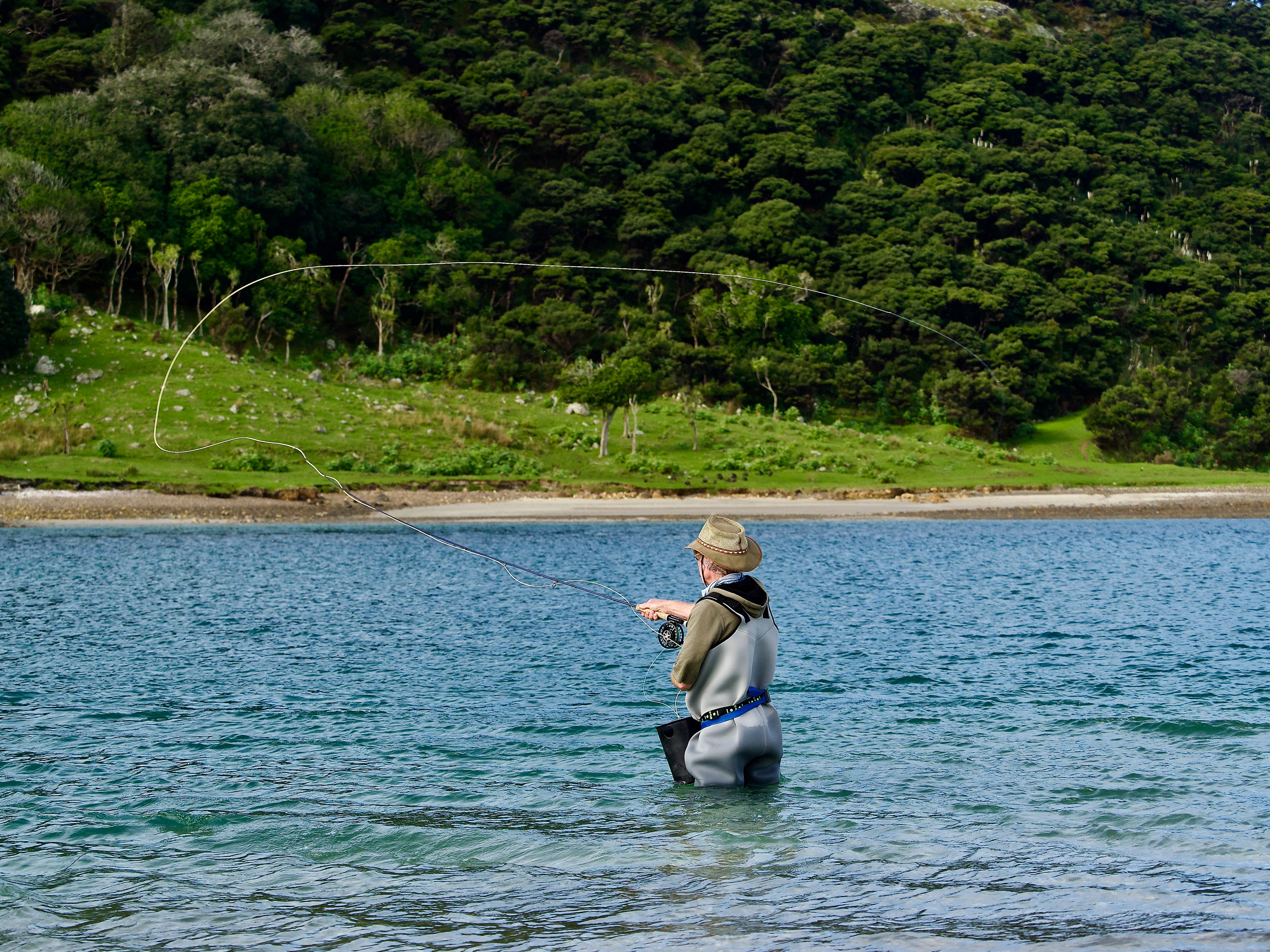
01The Summer Window
Summer arrives in Hawaii with consistent trade winds, water temperatures climbing to 78-82°F, and the year's most predictable saltwater flats fishing. From June through August, bonefish move into shallow feeding areas during incoming tides, creating opportunities that rival any tropical destination. The USGS Hawaii water monitoring stations show stable coastal conditions with minimal freshwater runoff, keeping visibility at optimal levels for sight fishing. Morning trade winds average 10-15 mph before tapering off by late afternoon, providing ideal casting conditions for targeting bones and other flats species. The summer months offer Hawaii's longest feeding windows, with prime fishing extending from dawn until mid-morning, then resuming in late afternoon as temperatures moderate.02Reading the Water: Summer Conditions
Summer brings Hawaii's most stable fishing conditions, with water clarity reaching peak levels across the island chain. Coastal water temperatures hold steady between 78-82°F, creating optimal feeding conditions for bonefish, milkfish, and giant trevally.Tidal Patterns and Water Movement
- Prime feeding tides: Incoming tides from two hours before to one hour after high tide
- Water clarity: 4-8 feet visibility on most flats during summer months
- Current flow: Moderate tidal exchange keeps baitfish active and predators feeding
- Wind patterns: Trade winds 10-15 mph mornings, calming to 5-10 mph afternoons
Freshwater Conditions
Hawaii's limited freshwater fishing centers on Lake Wilson, where summer temperatures reach 75-78°F and largemouth bass move to deeper structure during midday heat. Morning and evening periods produce the most consistent action.- Lake temperature: 75-78°F surface temps, 68-72°F at 15-foot depths
- Oxygen levels: Concentrate efforts on windward shorelines and inlet areas
- Water levels: Stable through summer with minimal seasonal variation
03The Fly Box: Essential Summer Patterns
Summer flats fishing demands specific presentations for Hawaii's spooky saltwater species. Bonefish require delicate approaches with flies that sink quickly but land softly.Bonefish Patterns
- Gotcha - Size 4-6: Pink and white combination excels in sandy bottom areas
- Crazy Charlie - Size 4-8: Clear water standard with bead chain eyes
- Mantis Shrimp - Size 2-4: Tan and orange patterns for coral areas
- Permit Crab - Size 2-4: Brown and tan for mixed species areas
Trevally and Barracuda Flies
- Clouser Minnow - Size 1/0-2/0: White and chartreuse for aggressive species
- Deceiver - Size 2/0-4/0: Blue and white patterns mimic prevalent baitfish
- Surf Candy - Size 1-1/0: Clear epoxy body for high-pressure situations
Freshwater Bass Patterns
- Woolly Bugger - Size 4-6: Black and olive for deeper water bass
- Popper - Size 2-4: Surface action during low-light periods
- Damselfly Nymph - Size 6-8: Olive patterns for lake structure
04Prime Waters
Kailua-Kona Coast
Kailua-Kona Coast offers accessible wading flats within walking distance of numerous resorts. The protected waters hold consistent populations of bonefish and occasional barracuda.- Access: Multiple beach parks provide easy wade-in access
- Best times: Two hours before high tide through one hour after
- Target areas: Sandy flats 200-400 yards offshore in 2-4 feet of water
- Species focus: Bonefish average 2-4 pounds, larger fish possible in deeper channels
South Maui Flats (Kihei/Wailea)
The extensive flats system around South Maui provides Hawaii's most consistent bonefish action. Protected from trade winds by Haleakala, these waters offer excellent visibility and predictable fish movement patterns.- Wade access: Keawakapu Beach and Wailea Beach Park
- Optimal conditions: Incoming tide with light trade winds
- Fish behavior: Bonefish travel in small schools, often following consistent routes
- Backup species: Milkfish and occasional bluefin trevally in deeper areas
Hanalei River & Bay
Hanalei River & Bay on Kauai combines river mouth fishing with expansive bay flats. The mixing of fresh and saltwater creates unique opportunities for multiple species.- River section: Focus on the lower mile where tidal influence is strongest
- Bay flats: Extensive shallow areas hold bonefish and milkfish
- Giant trevally: Larger specimens patrol bay edges during incoming tides
- Regulations: Check current access restrictions and cultural protocols
Kaneohe Bay Flats
Kaneohe Bay on Oahu's windward side provides easily accessible flats fishing with regular bonefish populations. The protected bay offers consistent conditions even during strong trade wind periods.- Launch points: Heeia State Park and Coconut Island access
- Wading areas: Extensive flats on the bay's southern and eastern edges
- Fish concentration: Bonefish numbers peak during summer months
- Local knowledge: Connect with Oahu fly fishing guides for current hot spots
Lake Wilson (Wahiawa Reservoir)
Lake Wilson represents Hawaii's premier freshwater fly fishing destination. This central Oahu reservoir holds healthy populations of largemouth bass and provides a complete departure from saltwater techniques.- Access: Public boat ramp and shoreline fishing areas
- Structure: Submerged trees and drop-offs along the western shore
- Peak times: Early morning and late afternoon during summer
- Techniques: Strip streamers along timber, surface flies during low light
05Species in Focus
Bonefish
Bonefish remain Hawaii's premier flats species, with summer offering the most predictable fishing of the year. These fish average 2-5 pounds with occasional specimens reaching 8-10 pounds in deeper water transitions.- Feeding behavior: Root in sandy areas for crabs and worms during incoming tides
- Approach requirements: Stay 40-60 feet away, lead fish by 4-6 feet
- Peak activity: First three hours after sunrise, last two hours before sunset
- Fight characteristics: Initial runs of 100+ yards, sustained pressure necessary
Giant Trevally (Ulua)
Giant trevally patrol Hawaii's flats edges and represent the ultimate challenge for saltwater fly fishers. Summer months bring these powerful fish into casting range as they hunt in shallow water.- Size range: 15-40 pounds common, specimens over 50 pounds possible
- Feeding patterns: Ambush baitfish along drop-offs and channel edges
- Tackle requirements: 10-12 weight rods minimum, strong drag systems essential
- Prime locations: Bay mouths and passes between shallow flats
Milkfish
Milkfish provide exciting opportunities for sight fishing on Hawaii's flats. These vegetarian fish require specialized techniques but offer incredible fights when hooked.- Feeding behavior: Graze on algae in very shallow water, often with backs exposed
- Fly selection: Small, sparse patterns in natural colors work best
- Hookup rates: Challenging species with soft mouths, gentle hook sets required
- Size potential: Fish to 20 pounds possible on larger flats systems
Largemouth Bass
Largemouth bass in Lake Wilson provide Hawaii's primary freshwater fly fishing opportunity. Summer heat pushes fish to deeper water during midday, concentrating action around dawn and dusk periods.- Summer patterns: Hold near structure in 8-15 feet of water during heat
- Active feeding: Move shallow during low-light conditions
- Size range: Fish to 6 pounds possible, 2-4 pound average
- Seasonal behavior: Post-spawn recovery feeding creates excellent opportunities
06Techniques That Produce
Flats Fishing Fundamentals
Success on Hawaii's flats requires adapting techniques for spooky fish in clear water conditions. Stealth and accuracy trump raw casting distance.- Approach angles: Move with sun at your back when possible
- Casting accuracy: Practice hitting 2-foot targets at 40-60 feet consistently
- Strip techniques: Short, erratic strips mimic wounded baitfish
- Line management: Keep loops tight to minimize splash and maintain control
Sight Fishing Strategies
"The best bonefish guides in Hawaii spend more time teaching clients to see fish than they do discussing fly patterns. Vision skills separate successful flats fishers from frustrated ones."Visual fishing requires developing specific skills that improve with practice and focused attention.
- Polarized lenses: Amber or copper lenses work best in Hawaiian conditions
- Fish identification: Look for shadows, nervous water, and subtle movement
- Lead calculation: Account for fish speed, water depth, and fly sink rate
- Hook setting: Strip-strike technique prevents breaking light tippets
Tidal Timing
Understanding tidal movements dramatically increases success rates on Hawaiian flats. Fish behavior follows predictable patterns related to water movement.- Incoming tide strategy: Position to intercept fish moving onto flats
- High tide periods: Focus on back-country areas and shallow basins
- Outgoing tide tactics: Target channels and drop-offs as fish retreat
- Slack tide approaches: Fish structure and feeding areas with minimal current
07Local Intel
Trade Wind Tactics
Hawaii's consistent trade winds create both challenges and opportunities for fly fishers. Learning to work with prevailing conditions separates visitors from locals.- Wind-protected areas: Fish leeward sides of islands during strong trades
- Casting modifications: Lower casting angles and tighter loops penetrate wind better
- Fly line selection: Shooting heads excel in windy conditions
- Timing advantages: Early morning and late afternoon offer calmer periods
Cultural Considerations
Fishing in Hawaii requires understanding and respecting Native Hawaiian culture and traditional practices.- Access protocols: Many areas have cultural significance beyond fishing regulations
- Local knowledge: Connect with Hawaiian guides and fishing communities
- Sustainable practices: Practice catch-and-release and minimize environmental impact
- Seasonal restrictions: Some areas have traditional closure periods for cultural practices
Guide Recommendations
Professional guides provide invaluable local knowledge and significantly increase success rates for visiting anglers.- Flats specialists: Book guides with specific bonefish and trevally experience
- Multi-island options: Different islands offer unique fishing opportunities
- Equipment provision: Most guides provide complete tackle setups
- Educational value: Guides teach long-term skills beyond single-trip success
08Gear Checklist
Saltwater Fly Fishing Setup
- Primary rod: 8-weight, 9-foot fast-action for bonefish and smaller trevally
- Secondary rod: 10-12 weight for giant trevally and large predators
- Reel requirements: Sealed drag system, minimum 200 yards backing capacity
- Line selection: Tropical saltwater floating line with 30-foot head
- Leader setup: 9-foot leaders tapered to 12-16 pound fluorocarbon
Freshwater Lake Setup
- Rod choice: 6-7 weight, 9-foot medium-action for bass fishing
- Line types: Floating line for surface action, intermediate for deeper water
- Leader construction: 7.5-foot leaders to 10-12 pound fluorocarbon
- Landing equipment: Rubberized net for fish care and quick release
Essential Accessories
- Eye protection: Quality polarized sunglasses with amber or copper lenses
- Sun protection: Long-sleeve sun shirts, wide-brim hats, sunscreen
- Wading gear: Flats boots with hard soles for coral protection
- Fly storage: Waterproof fly boxes with secure latching systems
- Safety equipment: First aid supplies, emergency whistle, cell phone protection
09Regulations & Conservation
Hawaii's fishing regulations vary by island and specific water bodies. Current licensing and conservation requirements help maintain sustainable fisheries for future generations.Licensing Requirements
- Saltwater fishing: No license required for non-commercial fishing from shore
- Freshwater fishing: Valid Hawaii freshwater fishing license required for all anglers over 16
- License purchase: Available online through Hawaii Division of Aquatic Resources
- Visitor information: Non-residents can purchase annual or short-term licenses
Size and Bag Limits
- Bonefish: No minimum size, bag limit varies by area
- Trevally species: Check current regulations for specific size and bag limits
- Bass (Lake Wilson): Check freshwater regulations for current limits
- General rule: Practice catch-and-release for sustainable fishing
Protected Areas
- Marine life conservation districts: Multiple areas with fishing restrictions
- Fish replenishment areas: Seasonal closures in some locations
- Cultural sites: Respect traditional fishing areas and access restrictions
- Private property: Obtain permission before crossing private lands
10Sources & References
- Hawaii Division of Aquatic Resources - Official fishing regulations and licensing information
- USGS Water Resources Hawaii - Real-time water data and monitoring stations
- Trout Unlimited - Conservation resources and fishing techniques
- National Weather Service Hawaii - Marine forecasts and wind conditions
- NOAA Tides and Currents - Hawaiian tidal predictions and data
- Hawaii Department of Land and Natural Resources - Native fish species information
- International Fly Fishing Association - Saltwater fly fishing techniques and conservation
- Hawaii Tourism Authority - Sustainable fishing practices and guide recommendations
Top Summer flies for Hawaii
Ranked by how often they show up in this season's reports.
dryMerkin CrabCrabs are a consistent food source for bonefish on tropical flats, making this imitation effective for tailing fish during the summer.nymphBonefish ScampiAn excellent shrimp imitation designed for bonefish, particularly effective on shallow sandy flats which are common in Hanalei Bay.nymphEP ShrimpShrimp are a year-round staple in Hanalei's inshore and flats environments, providing a reliable food source for both Bonefish and Milkfish during summer.nymphGotchaA classic shrimp imitation that is effective year-round on tropical flats, appealing to cruising and tailing Bonefish throughout the summer.nymphCrazy CharlieA widely popular shrimp and crab imitation, effective year-round on tropical flats for both Bonefish and Milkfish.nymphDamsel Nymph (Olive)Damsel nymphs become highly active in late spring and summer, migrating towards shore to hatch. This olive pattern is ideal for stripping slowly along weed beds, attracting Tilapia, Midas Cichlids, and Bass.dryHopper JuanMid-summer through early fall is prime terrestrial season, with grasshoppers providing a substantial food source along grassy banks for opportunistic Bass, Tilapia, and Catfish in Lake Wilson.nymphMop FlyThis grub/larvae imitation is a versatile workhorse, effective for multiple species including Tilapia, Catfish, Midas Cichlids, and Bass, which are all active in Lake Wilson during the summer.
Waters in Hawaii 6 to fish
Fly shops nearby
Local flies, current advice and guided trips.
Need gear or a guide?
Find fly shops near Hawaii's best summer waters for local flies, advice and guided trips.
Ask an AI about this page