
Florida fly fishingin spring: the guide
01The Spring Window
Spring awakens Florida's diverse waters with a complexity that humbles novice anglers and thrills seasoned guides. Water temperatures climb from winter lows of 65°F to consistent 72-78°F ranges by May, triggering aggressive feeding patterns across saltwater flats and freshwater springs alike. The transition period from March through May offers Florida's most predictable fishing, when tarpon begin their northward migration, snook emerge from winter refugia, and redfish school in predictable patterns on warming flats.
Unlike northern states where spring means snowmelt and muddy runoff, Florida's spring brings stable water levels and gin-clear conditions on the flats. The USGS water monitoring data shows consistent flows on spring-fed systems, while tidal patterns remain predictable through the season.
02Reading the Water: Spring Conditions
Florida's spring water conditions vary dramatically by region, but patterns emerge for those who study the data. Coastal waters reach optimal temperatures for sight fishing by mid-March, when surface temps consistently hit 70-72°F in shallow areas. Spring-fed rivers maintain cooler temperatures—typically 68-72°F—creating ideal conditions for bluegill bedding activity.
Water Temperature Patterns
- Saltwater flats: 70-78°F, with morning lows in the high 60s
- Spring creeks: Consistent 68-72°F due to groundwater input
- Lakes and rivers: 72-80°F by late April, varying with depth
- Backcountry waters: Highly variable, 68-82°F depending on tidal flow and depth
Tidal movements become crucial during spring months. The Florida Fish & Wildlife Conservation Commission reports that falling tides concentrate baitfish, creating feeding opportunities from Boca Grande Pass to the Upper Keys flats.
Seasonal Weather Factors
- Wind patterns: Southeast trades 10-15 mph, calming by late morning
- Frontal systems: Cold fronts less frequent but still impactful through March
- Barometric pressure: Stable high pressure creates optimal conditions
- Rainfall: Minimal through April, increasing in May
03The Fly Box: Essential Spring Patterns
Spring fly selection in Florida demands versatility. Guides pack patterns that work across species and environments, from crystal-clear spring runs to turbid backcountry waters. Water clarity drives fly choice more than any other factor—bright patterns in stained water, natural tones in clear conditions.
Saltwater Essentials
- Clouser Minnow: Sizes 2-6, chartreuse/white and olive/white combinations
- Gotcha: Size 4-6, pink/white and tan versions for bonefish
- EP Crab: Size 2-4, olive and tan for permit and redfish
- Gurgler: Size 1/0-3/0, white and yellow for surface feeding tarpon
- Seaducer: Size 1-4, red/white and chartreuse/white for mixed species
Freshwater Producers
- Woolly Bugger: Size 6-10, olive and black for spring systems
- Popper: Size 6-12, yellow and white for bluegill beds
- Bead Head Nymph: Size 12-16, copper and gold for spring creek depths
- Damselfly Nymph: Size 8-12, olive and brown patterns
- Bass Bug: Size 2-6, deer hair patterns for largemouth bass
Rigging Recommendations
Spring rigging varies by target species and water depth. For shallow saltwater work, 15-20 lb fluorocarbon leaders prevent spooking fish in clear water. Spring creek fishing demands longer leaders—9-12 feet of 8-12 lb tippet for selective bluegill.
- Saltwater flats: 9-foot 12-16 lb fluorocarbon, loop knots for fly movement
- Tarpon fishing: 80-100 lb shock tippet, Bimini twist connections
- Spring creeks: 12-foot leaders, 6X-4X tippet depending on species
- Bass fishing: 7.5-foot leaders, 12-20 lb fluorocarbon for structure
04Prime Waters
Florida's spring fishing opportunities span from world-class tarpon flats to intimate spring creeks. Each system requires specific approaches, but consistent patterns emerge for reading water and finding fish.
Islamorada / Upper Keys Flats
The Upper Keys flats represent Florida's most diverse spring fishery. Water temperatures stabilize in the 72-74°F range by late March, triggering consistent bonefish and permit activity. Tarpon arrive in numbers by mid-April, with resident fish active throughout the season.
- Best access: Anne's Beach, Long Key State Park, Robbie's Marina
- Prime times: Incoming tides 2 hours before high, falling tides for 3 hours
- Key techniques: Long casts to cruising fish, strip-pause retrieves
- Target depths: 2-6 feet for bonefish, 6-15 feet for tarpon
Mosquito Lagoon / Indian River
This expansive lagoon system offers consistent redfish and seatrout opportunities through spring months. Shallow grass flats warm quickly, concentrating baitfish and predators. The system's protected nature provides fishable conditions when coastal waters turn rough.
- Launch points: Haulover Canal, Oak Hill boat ramps, New Smyrna Beach
- Seasonal patterns: Redfish school in 1-3 feet over grass, seatrout suspend over deeper holes
- Fly selection: Clouser minnows and spoon flies in gold and chartreuse
- Weather considerations: Wind protection allows fishing during frontal passages
Crystal River / Kings Bay / Homosassa
The Nature Coast's spring-fed systems maintain consistent 72°F water temperatures year-round, creating unique spring fishing opportunities. Snook congregate around warm-water discharge points, while redfish patrol grass flats in predictable patterns.
- Access points: Fort Island Trail, Homosassa Springs State Park, Crystal River launch
- Species timing: Snook active all day in spring-fed areas, redfish best on moving tides
- Techniques: Sight fishing in crystal-clear water, precise presentations required
- Special considerations: Manatee protection zones limit access during winter months
Ichetucknee River
This pristine spring creek offers exceptional bluegill fishing during spawning season. Water temperatures remain consistent at 68-70°F, with gin-clear visibility allowing sight fishing to individual fish. The system's protection ensures minimal pressure and excellent fish populations.
- Entry points: Ichetucknee Springs State Park, limited access preserves water quality
- Bedding activity: Peak spawning occurs April-May in sandy areas
- Fly requirements: Small poppers, size 10-12, for surface feeding fish
- Regulations: Single barbless hooks, catch-and-release strongly encouraged
05Species in Focus
Spring awakens feeding activity across Florida's diverse fish populations. Understanding species-specific behavior patterns increases success rates dramatically during this productive season.
Tarpon (March - May)
Resident tarpon become increasingly active as water temperatures climb above 72°F. Migratory fish begin arriving in the Keys by mid-March, with numbers building through May. Fish range from 40-pound "juveniles" to 150-pound adults, requiring tackle adjustments based on target size.
- Feeding times: Early morning 6-9 AM, late afternoon 4-7 PM
- Water temperature preference: 74-78°F optimal, less active below 70°F
- Behavioral patterns: Rolling fish indicate feeding activity, laid-up fish require quiet approaches
- Fly presentation: Lead moving fish by 3-6 feet, strip continuously through school
Snook (March - May)
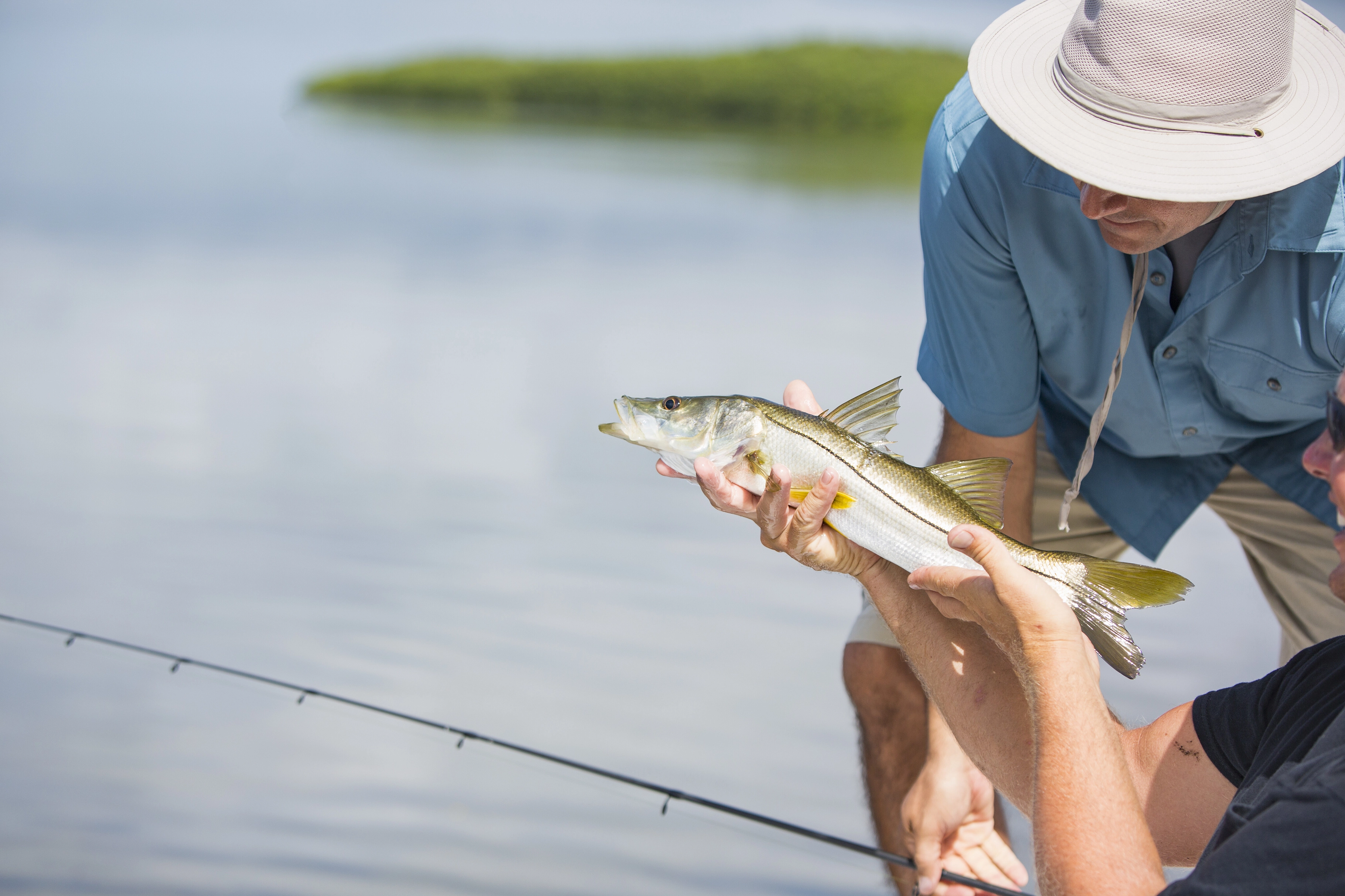
Snook emerge from winter refugia as water temperatures stabilize above 68°F. Spring fishing targets fish staging for summer spawning runs, with peak activity occurring during warming trends following cold fronts.
- Habitat preferences: Structure-oriented, docks, mangrove shorelines, bridge pilings
- Feeding behavior: Ambush predators, quick strikes on properly presented flies
- Size considerations: Spring fish average 18-26 inches, with larger specimens in deeper water
- Temperature sensitivity: Activity drops significantly below 65°F, peaks at 72-76°F
Redfish (March - May)
Redfish remain active throughout Florida's mild spring, with fish forming loose aggregations over grass flats and around structure. Spawning occurs offshore, but inshore fish continue feeding aggressively during spring months.
- Schooling behavior: Groups of 3-12 fish common over flats
- Feeding patterns: Head-down tailing in shallow water, cruising at mid-depths
- Optimal conditions: Slight chop on water surface, incoming tides preferred
- Size ranges: Slot fish (18-27 inches) most common, oversized fish present
Bluegill (April - May)
Spring represents peak bluegill fishing in Florida's freshwater systems. Males construct beds in sandy areas during warming trends, creating exceptional sight fishing opportunities in clear spring runs and shallow lake margins.
- Spawning timing: Water temperatures 68-75°F trigger bedding activity
- Bed locations: Sandy bottoms in 2-4 feet of water, protected from current
- Aggressive behavior: Males defend nests vigorously, strike various fly patterns
- Peak activity: Midday hours when water temperatures peak
06Techniques That Produce
Successful spring fly fishing in Florida requires technique adaptation based on water clarity, target species, and environmental conditions. Precision casting and retrieve variation separate successful anglers from those who simply go through the motions.
Saltwater Flats Techniques
Clear water demands long, accurate casts and stealthy approaches. Fish spook easily in shallow water, requiring careful line management and precise fly placement.
- Casting approach: Lead cruising fish by 4-8 feet, allow fly to sink before starting retrieve
- Retrieve patterns: Short, sharp strips with pauses for bonefish; long, steady pulls for tarpon
- Line management: Keep shooting line off water surface, avoid creating shadows
- Fish handling: Quick releases essential, especially for permit and tarpon
Structure Fishing
Snook, mangrove snapper, and other structure-oriented species require different techniques than open-water fishing. Accurate casts to tight spots and quick hook sets prevent fish from reaching cover.
- Dock fishing: Skip flies under low-hanging structures, maintain constant line contact
- Mangrove techniques: Work edges systematically, vary retrieve depths
- Bridge fishing: Fish current seams and shadow lines, use heavier flies in moving water
- Hook setting: Immediate response required, fish use structure to break off
Spring Creek Methods
Clear, shallow spring creeks demand finesse techniques and precise presentations. Fish in these systems see heavy pressure and become selective about fly patterns and presentations.
- Approach angles: Fish upstream when possible, avoid creating disturbance
- Leader construction: Long, fine tippets reduce visibility, improve presentations
- Fly placement: Accurate casts to individual fish, avoid lining nearby fish
- Retrieve variations: Subtle movements often outproduce aggressive strips
Sight Fishing Skills
Spring's clear water and active fish create optimal sight fishing conditions. Developing fish-spotting skills improves success rates dramatically across all species and environments.
- Polarized glasses: Amber lenses for shallow water, gray for bright conditions
- Sun positioning: Fish with sun at your back when possible, avoid backlighting
- Movement detection: Look for shadows, wakes, and nervous water before spotting fish
- Species identification: Learn silhouettes and behavior patterns of target species
07Local Intel
Florida guides develop location-specific knowledge through years of experience. Understanding these subtleties improves fishing success and helps visiting anglers make the most of limited time on the water.
Timing Windows
Spring fishing success often comes down to precise timing. Understanding micro-seasons within the broader spring period helps anglers target peak conditions.
- Early March: Tarpon fishing begins in the Keys, snook become active after cold fronts
- Mid-March to early April: Peak bonefish activity, permit fishing improves
- Late April: Tarpon migration peaks, bluegill spawning begins
- May: Consistent conditions across species, thunderstorm activity increases
Weather Pattern Recognition
Florida's spring weather creates specific fishing opportunities. Understanding barometric pressure changes and wind patterns helps predict fish behavior.
- High pressure systems: Stable conditions, fish feed predictably on flats
- Approaching fronts: Increased feeding activity 12-24 hours before arrival
- Post-frontal conditions: Clear skies and light winds create excellent sight fishing
- Southeast winds: Optimal for most flats fishing, concentrate baitfish
Local Knowledge
Guides share location-specific insights that can make or break fishing trips. These details rarely appear in fishing reports but dramatically impact success rates.
- Tide timing: Some flats fish best on specific tide stages, regardless of published "optimal" times
- Seasonal baitfish: Match fly patterns to locally abundant forage species
- Water color variations: Slight turbidity changes require different fly colors and presentation speeds
- Access restrictions: Seasonal closures and permit requirements vary by location
Equipment Modifications
Successful Florida anglers adapt gear to local conditions. Small modifications often produce significant improvements in fishing effectiveness.
- Hook modifications: Bend down hook points slightly for better penetration on hard-mouthed species
- Leader adjustments: Carry multiple leader lengths for varying water depths
- Fly modifications: Add or remove weight based on current conditions
- Line color choices: Clear intermediate lines for spooky fish, colored lines for better line control
08Gear Checklist
Florida's diverse spring fishing requires versatile gear selection. Successful anglers prepare for everything from 100-pound tarpon to finicky bluegill, often within the same trip.
Rod Selection
- 8-weight: Versatile choice for most saltwater applications, handles wind well
- 9-weight: Better for larger tarpon, windy conditions, and long casting
- 10-12 weight: Large tarpon and offshore species, heavy flies and strong winds
- 5-6 weight: Spring creeks, bluegill beds, and other freshwater applications
- 7-weight: Crossover rod for smaller saltwater species and larger freshwater fish
Line Systems
- Floating lines: Essential for sight fishing and surface presentations
- Clear intermediate: Reduces spooking in shallow, clear water
- Fast-sinking: Gets flies down quickly in deeper water and current
- Specialty heads: Shooting heads for long casts, tropical lines for hot weather
Essential Accessories
- Polarized sunglasses: Multiple lens colors for varying light conditions
- Sun protection: Long-sleeve shirts, wide-brim hats, SPF 30+ sunscreen
- Pliers: Saltwater-resistant models with cutting capability
- Landing nets: Rubberized bags reduce fish stress and hook tangles
- Wading gear: Lightweight waders for spring creeks, flats boots for saltwater
Tackle Organization
- Fly boxes: Waterproof models, organized by species and water type
- Leader material: Multiple weights of fluorocarbon, pre-tied leaders
- Tippet spools: 8-20 lb fluorocarbon, 60-100 lb shock tippet for tarpon
- Tools: Line nippers, knot tools, hook sharpeners, multi-tools
09Regulations & Conservation
Florida's fishing regulations protect both fish populations and angler opportunities. Spring regulations include specific seasons, size limits, and bag limits that vary by species and location. The Florida Fish & Wildlife Conservation Commission maintains current regulation information and issues updates throughout the season.
License Requirements
- Resident licenses: Annual freshwater and saltwater licenses available
- Non-resident options: 1-day, 3-day, 7-day, and annual licenses
- Special permits: Snook and lobster stamps required for respective species
- Charter exemptions: Licensed guides provide coverage for clients
Species-Specific Regulations
- Snook: Closed season December 15 - January 31, slot limit 28-33 inches
- Redfish: Slot limit 18-27 inches, one fish per day over slot allowed
- Tarpon: Catch-and-release only for fish over 40 inches, tag required for harvest
- Trout: 15-inch minimum, different regulations in different zones
Conservation Practices
- Catch-and-release: Barbless hooks reduce mortality, proper handling techniques essential
- Habitat protection: Avoid damaging grass beds, observe idle zones and sanctuary areas
- Trash removal: Pack out all debris, participate in cleanup efforts
- Education: Share conservation ethics with other anglers, support habitat restoration
"The best anglers understand that every fish returned healthy represents future opportunities for themselves and others. Spring fishing in Florida demands this long-term perspective."
10Sources & References
- Florida Fish & Wildlife Conservation Commission - Official regulations, license requirements, and species information
- USGS Water Resources Florida - Real-time water data, temperature, and flow information
- Trout Unlimited - Conservation efforts and habitat restoration in Florida spring systems
- FWC Tarpon Information - Species-specific regulations and research data
- National Weather Service Key West - Marine forecasts and weather patterns affecting fishing
- Florida Keys National Marine Sanctuary - Regulations and protected areas information
- Florida Department of Environmental Protection Springs - Spring system information and access details
- International Game Fish Association - World records and fish identification resources
Top Spring flies for Florida
Ranked by how often they show up in this season's reports.
Waters in Florida 19 to fish
- Apalachicola Riverriver
- Blackwater Riverriver
- Boca Grande Pass / Charlotte Harborriver
- Crystal River / Kings Bay / Homosassaspring creek
- Everglades National Park - Florida Bay & Ten Thousand Islandsriver
- Ichetucknee Riverspring creek
- Islamorada / Upper Keys Flatslake
- Lake Okeechobeelake
- Lake Tarponlake
- Mosquito Lagoon / Indian Riverriver
- Myakka Riverriver
- Newnan's Lakelake
- Ocklawaha Riverriver
- Peace Riverriver
- Silver Riverspring creek
- St. Johns River - Upper Basinriver
- Weeki Wachee Riverspring creek
- Withlacoochee River (North)river
- Yellow River (Florida Panhandle)river
Fly shops nearby
Local flies, current advice and guided trips.
Need gear or a guide?
Find fly shops near Florida's best spring waters for local flies, advice and guided trips.