
March – May
Alaska fly fishingin spring: the guide
Your complete guide to spring fly fishing in Alaska. Covers top flies, active species, best waters, and expert tips for March through May.
By Cade BagleyUpdated March 26, 2026Fact-checked with state agency data
01The Spring Window
Alaska's spring fishing season opens with dramatic ice-off conditions and water temperatures climbing from 32°F to 55°F between March and May. The breakup period transforms the state's watersheds as snowmelt feeds rivers with aggressive flows and awakening fish populations emerge from winter lethargy. Spring marks the beginning of Alaska's legendary fishing calendar, with USGS flow data showing peak runoff typically occurring in May when most rivers run at 150-300% of normal flows. The season's character shifts dramatically from the muddy, high-water conditions of early breakup to the clearing flows and emerging hatches of late May. Ice-out dates vary significantly by region—with southern coastal waters clearing in March while interior rivers may hold ice until early May.02Reading the Water: Spring Conditions
Spring conditions in Alaska demand careful attention to water temperatures, flow levels, and clarity as these factors change rapidly throughout the season. Water temperatures below 40°F require slow presentations and deep fishing, while temps above 45°F trigger more active feeding behavior in resident species.Temperature Patterns
- March: 32-38°F in most rivers, with ice-covered conditions common
- April: 38-45°F as ice-out progresses, muddy runoff begins
- May: 45-55°F, clearing water and peak feeding activity
Flow Conditions
The spring runoff pattern creates predictable fishing windows. Early season offers low, clear water in rivers that haven't received significant snowmelt. Mid-season brings high, colored water as temperatures warm and snow melts rapidly. Late spring provides the season's best fishing as flows moderate and clarity improves.- Rivers running below 500 CFS offer excellent fishing with standard techniques
- Flows between 500-1500 CFS require deep nymphing and weighted flies
- Flows above 1500 CFS typically push fishing to protected backwaters and tributaries
Hatch Activity
Alaska's spring hatches remain sparse compared to lower latitudes, but several key emergences drive feeding activity:- Midges: Size 18-22, active throughout the season on warm afternoons
- Early stoneflies: Size 14-16, March through April in flowing water
- Baetis mayflies: Size 16-18, late April through May on overcast days
03The Fly Box: Essential Spring Patterns
Alaska's spring fly selection emphasizes subsurface patterns that work in cold water and variable conditions. Nymphs and streamers dominate the productive patterns, with dry flies becoming relevant only during the brief midday warming periods of late May.Nymph Patterns
- Pheasant Tail Nymph: Size 14-18, essential for rainbow trout and Arctic grayling
- Hare's Ear Nymph: Size 12-16, weighted versions for deep pools
- Copper John: Size 14-18, bright colors work best in stained water
- Prince Nymph: Size 12-16, excellent attractor pattern for aggressive fish
Streamer Selection
Spring's cold water makes streamers incredibly effective for targeting larger fish. Strip slowly with long pauses to trigger strikes from lethargic trout.- Woolly Bugger: Size 6-10, olive and black most productive
- Muddler Minnow: Size 4-8, natural brown and tan colors
- Zonker: Size 4-6, white and olive combinations
- Egg Sucking Leech: Size 4-6, Alaska's signature pattern
Dry Fly Options
While limited, certain dry patterns prove essential during late spring warming trends:- Adams: Size 14-16, versatile pattern for midges and early mayflies
- Elk Hair Caddis: Size 14-16, floats well in broken water
- Griffith's Gnat: Size 18-20, essential for midge emergences
Rigging Strategies
Two-fly rigs maximize success in Alaska's diverse spring conditions. Use a weighted nymph as the point fly with a smaller unweighted nymph on an 18-inch dropper. For streamer fishing, employ a sink-tip line or weighted fly to reach feeding zones in cold water.04Prime Waters
Alaska's premier spring fishing destinations offer distinct opportunities based on geographic location and seasonal timing. Southern coastal rivers provide the earliest fishing opportunities, while interior watersheds offer peak conditions later in the season.Kasilof River
The Kasilof River on the Kenai Peninsula delivers Alaska's premier spring steelhead fishing. Peak runs occur from mid-April through May when water temperatures reach 42-48°F. Tactical approach:- Focus on the Sterling Highway crossing downstream to tidewater
- Fish deep runs and tailouts with egg patterns and flesh flies
- Best fishing occurs on incoming tides in the lower river
- Access via Kasilof River State Recreation Site
Kenai River
The Kenai River system offers diverse spring fishing for rainbow trout, Dolly Varden, and Arctic grayling. The upper river above Skilak Lake provides the most consistent action.- Cooper Landing area: Easy access with consistent trout fishing
- Russian River confluence: Major holding water for large rainbows
- Skilak Lake outlet: Deep pools hold trophy-sized fish
Kvichak River System
The Bristol Bay region's Kvichak River provides world-class fishing for multiple species once ice-out occurs in early May. This system requires advanced planning and guided access but rewards anglers with pristine conditions.- Rainbow trout: 20+ inch fish common in deep runs
- Arctic grayling: Abundant in tributary mouths
- Lake trout: Deep lake fishing with sinking lines
Situk River
Southeast Alaska's Situk River near Yakutat offers exceptional spring fishing with easier access than Bristol Bay destinations. The river supports runs of steelhead, Dolly Varden, and cutthroat trout. Prime locations:- Nine Mile Bridge upstream for steelhead
- Forest Road 10 access points for diverse fishing
- Lower river for sea-run cutthroat and Dolly Varden
05Species in Focus
Alaska's spring fishing targets several species that exhibit distinct seasonal behavior patterns. Understanding these behaviors allows anglers to time their efforts for maximum success.Rainbow Trout
Rainbow trout emerge from winter with aggressive feeding behavior once water temperatures exceed 42°F. Peak feeding occurs during the warmest part of the day, typically between 11 AM and 3 PM. Seasonal behavior:- Early spring: Deep, slow pools with minimal movement
- Mid-spring: Begin moving to shallow feeding areas
- Late spring: Active in all water types, surface feeding possible
Arctic Grayling
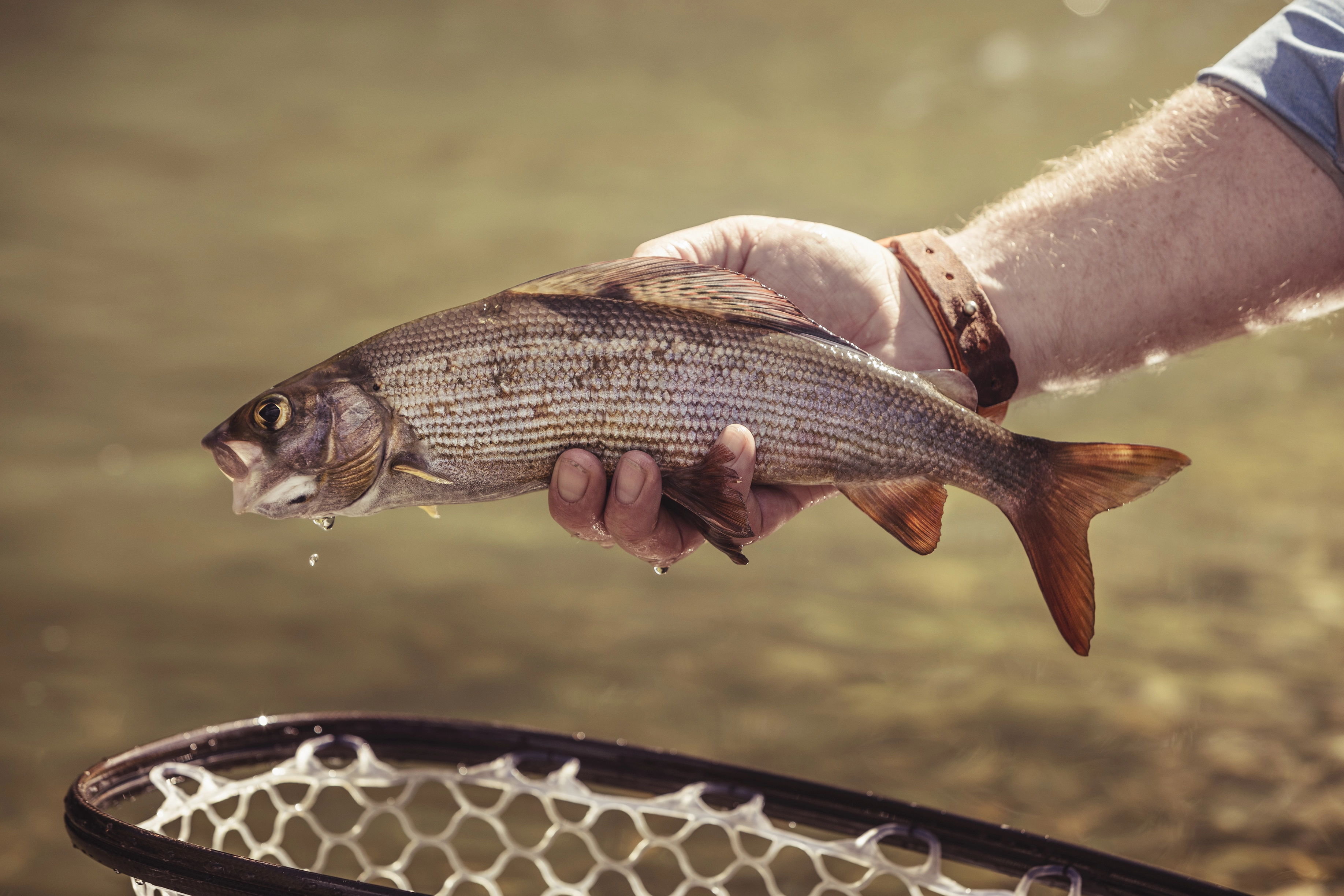
Arctic grayling provide Alaska's most reliable spring dry fly fishing once conditions stabilize in May. These fish actively feed on surface insects during warming trends. Prime conditions:- Water temps above 45°F
- Sunny afternoons with minimal wind
- Pools below rapids and tributary mouths
Steelhead
Spring steelhead runs peak in specific river systems from April through May. These fish require precise timing and location selection for success. Run timing:- Kasilof River: Mid-April to mid-May
- Situk River: Late April through May
- Anchor River: Early May to early June
Dolly Varden
Dolly Varden become increasingly active as spring progresses, with peak fishing occurring during the late season when these char move into feeding positions throughout river systems."The key to spring Dolly fishing is patience—they're there, but they move slowly until water temperatures hit that magical 50-degree mark." —Alaska Department of Fish and Game survey data
06Techniques That Produce
Spring fly fishing in Alaska requires adapted techniques that account for cold water temperatures, variable flows, and cautious fish behavior. Presentation speed and fly depth become critical factors for success.Nymphing Strategies
Euro-nymphing techniques prove highly effective in Alaska's spring conditions, allowing precise depth control and strike detection in challenging water.- Tight-line nymphing: Maintains contact with flies in fast, broken water
- High-stick technique: Keeps flies in the strike zone longer
- Multiple fly rigs: Two-fly setups maximize opportunity
Streamer Presentations
Cold water demands slower retrieves with longer pauses between strips. Sink rates become critical—use weighted flies or sinking lines to reach fish holding in deeper water. Effective retrieve patterns:- Strip-pause-strip: 6-inch strips with 3-second pauses
- Slow swing: Allow current to work the fly naturally
- Dead drift: Particularly effective in tailouts and eddies
Dry Fly Tactics
When surface activity occurs during late spring, approach feeding fish carefully. Alaska's clear water requires long, fine leaders and precise presentations.- Leader length: 12-15 feet minimum in clear water
- Tippet size: 5X-6X for selective fish
- Upstream presentations: Minimize drag in complex currents
07Local Intel
Alaska's spring fishing success often depends on local knowledge and timing that guides and longtime residents understand. Weather windows create brief periods of exceptional fishing between storms and temperature swings.Timing Windows
- Pre-runoff period: Early April offers low, clear water on select rivers
- Post-runoff stability: Late May provides peak conditions statewide
- Daily timing: 10 AM to 4 PM produces most consistent action
Weather Patterns
High-pressure systems create ideal spring fishing conditions with stable weather, clearing water, and active insect hatches. Monitor weather forecasts for 3-4 day windows of settled conditions.Hidden Gems
While famous rivers receive attention, several lesser-known waters provide excellent spring fishing:- Clearwater tributaries: Small streams clear before main stems
- Lake outlets: Consistent temperatures and food sources
- Spring creeks: Stable flows and early insect activity
Access Considerations
Spring breakup affects road access to many fishing areas. Alaska Department of Fish and Game provides current access information and road conditions.08Gear Checklist
Alaska's spring conditions demand versatile gear that handles cold weather, variable water conditions, and the potential for large fish. Layered clothing systems and quality rain gear become essential as weather can change rapidly.Rod Selection
- Primary rod: 9-foot, 6-weight for versatile presentations
- Backup rod: 9-foot, 4-weight for smaller water and grayling
- Streamer rod: 9-foot, 7-weight for large flies and strong fish
Line Systems
- Floating line: Weight-forward taper for general fishing
- Sink-tip line: 10-foot fast-sink tip for deep water
- Full-sink line: Type III for lake fishing and deep pools
Leaders and Tippet
- Nymph leaders: 9-foot, 3X to 5X tapered
- Dry fly leaders: 12-foot, 4X to 6X for selective fish
- Streamer leaders: 6-foot, 1X to 2X for large flies
- Tippet material: Fluorocarbon for subsurface, monofilament for dries
Wading Gear
Insulated waders or neoprene waders provide essential warmth in water temperatures below 45°F. Quality boots with aggressive treads handle Alaska's slippery rocks.Weather Protection
- Rain jacket: Breathable, fully waterproof outer layer
- Insulating layers: Fleece or synthetic insulation
- Base layers: Merino wool or synthetic wicking materials
- Accessories: Waterproof gloves, warm hat, neck gaiter
Essential Accessories
- Net: Rubber mesh to protect fish scales
- Forceps: Long-nose for hook removal
- Nippers: Sharp cutters for tippet and leader
- Strike indicators: Multiple styles for nymph fishing
- Split shot: Various sizes for depth adjustment
- Fly floatant: For dry fly fishing opportunities
09Regulations & Conservation
Alaska's fishing regulations vary significantly by region and water body, with special rules often in effect for spring seasons. Current licenses and stamps are required for all anglers, and several waters have specific gear restrictions or seasonal closures.License Requirements
All anglers must possess valid Alaska fishing licenses. Non-residents require additional stamps for certain species. Purchase licenses online through the Alaska Department of Fish and Game or at licensed vendors statewide.- Resident annual: $29 (Alaska residents)
- Non-resident annual: $145 (most cost-effective for multi-trip anglers)
- Non-resident 14-day: $105
- Non-resident 7-day: $70
- King salmon stamp: Additional $100 for non-residents targeting salmon species
Special Regulations
Many of Alaska's premier fishing waters operate under special regulations designed to protect fish populations and maintain quality fishing experiences.Conservation Practices
Alaska's fisheries depend on careful handling and conservation-minded angling practices. Trout Unlimited promotes catch-and-release techniques that ensure fish survival. Best practices:- Barbless hooks: Required in many special regulation waters
- Quick fights: Land fish efficiently to minimize stress
- Proper handling: Wet hands before touching fish, support body weight
- Immediate release: Minimize air exposure and photography time
Habitat Protection
Spring conditions make fish particularly vulnerable to disturbance. Avoid walking on redds (spawning beds) and respect posted closures around sensitive areas. Stream bank stability becomes critical during high water periods—avoid creating erosion through careless wading.10Sources & References
- Alaska Department of Fish and Game - Official regulations, license information, and species management data
- USGS Water Resources Alaska - Real-time stream flow and water temperature data
- Trout Unlimited - Conservation initiatives and best practices for Alaska fisheries
- National Weather Service Alaska - Weather forecasts and seasonal climate patterns
- U.S. Forest Service Alaska - Access information and regulations for national forest waters
- National Park Service Alaska - Fishing regulations and access for park waters
- Alaska State Parks - Access information and facilities at state recreation areas
- Bureau of Land Management Alaska - Public land access and regulations for BLM-managed waters
Top Spring flies for Alaska
Ranked by how often they show up in this season's reports.
streamerPine Squirrel Leech (Black/Olive)Small leech patterns effectively mimic sluggish baitfish and annelids in cold water, triggering strikes from larger, lethargic trout, Dolly Varden, Lake Trout, and Northern Pike.nymphSan Juan WormAn aquatic worm imitation that is consistently effective year-round, especially after snowmelt or rainfall when worms are washed into the river system.streamerWoolly BuggerA slow-stripped or dead-drifted black streamer imitates leeches and sculpins which are active even in near-freezing water. It is a high-searching pattern for larger trout, Dolly Varden, Lake Trout, and Northern Pike.streamerEgg Sucking LeechAn excellent streamer for predatory fish like Rainbow Trout, Dolly Varden, and Arctic Char, imitating both leeches and eggs, which are crucial food sources in cold, early spring waters of the Koggiung River.nymphZebra MidgeMidges are a primary active insect even in cold water, making this a staple year-round pattern, highly effective for enticing finicky Rainbow Trout and Dolly Varden.eggGlo BugResident trout and char, including Rainbow Trout and Dolly Varden, remain keyed into egg patterns year-round, particularly with the upcoming spring rainbow spawn and lingering salmon eggs.dryGlo Bug (Orange)Resident trout and char remain keyed into egg patterns year-round, particularly with the upcoming spring rainbow spawn and lingering salmon eggs.nymphPheasant Tail NymphMimics various small mayfly nymphs that are active year-round and particularly as early spring mayfly hatches begin.
Waters in Alaska 20 to fish
- Anchor Riverriver
- Aniak Riverriver
- Deshka Riverriver
- Egegik Riverriver
- Goodnews Riverriver
- Kanektok Riverriver
- Kasilof Riverriver
- Kenai Riverriver
- Kobuk Riverriver
- Koggiung Riverriver
- Kvichak River (Bristol Bay)river
- Lake Iliamnalake
- Naknek Riverriver
- Pasagshak Riverriver
- Russian Riverriver
- Situk Riverriver
- Swanson Riverriver
- Talarik Creekcreek
- Talkeetna Riverriver
- Willow Creekcreek
Need gear or a guide?
Find fly shops near Alaska's best spring waters for local flies, advice and guided trips.
Ask an AI about this page