
Idaho Fly Fishing in September: Autumn Trout Paradise
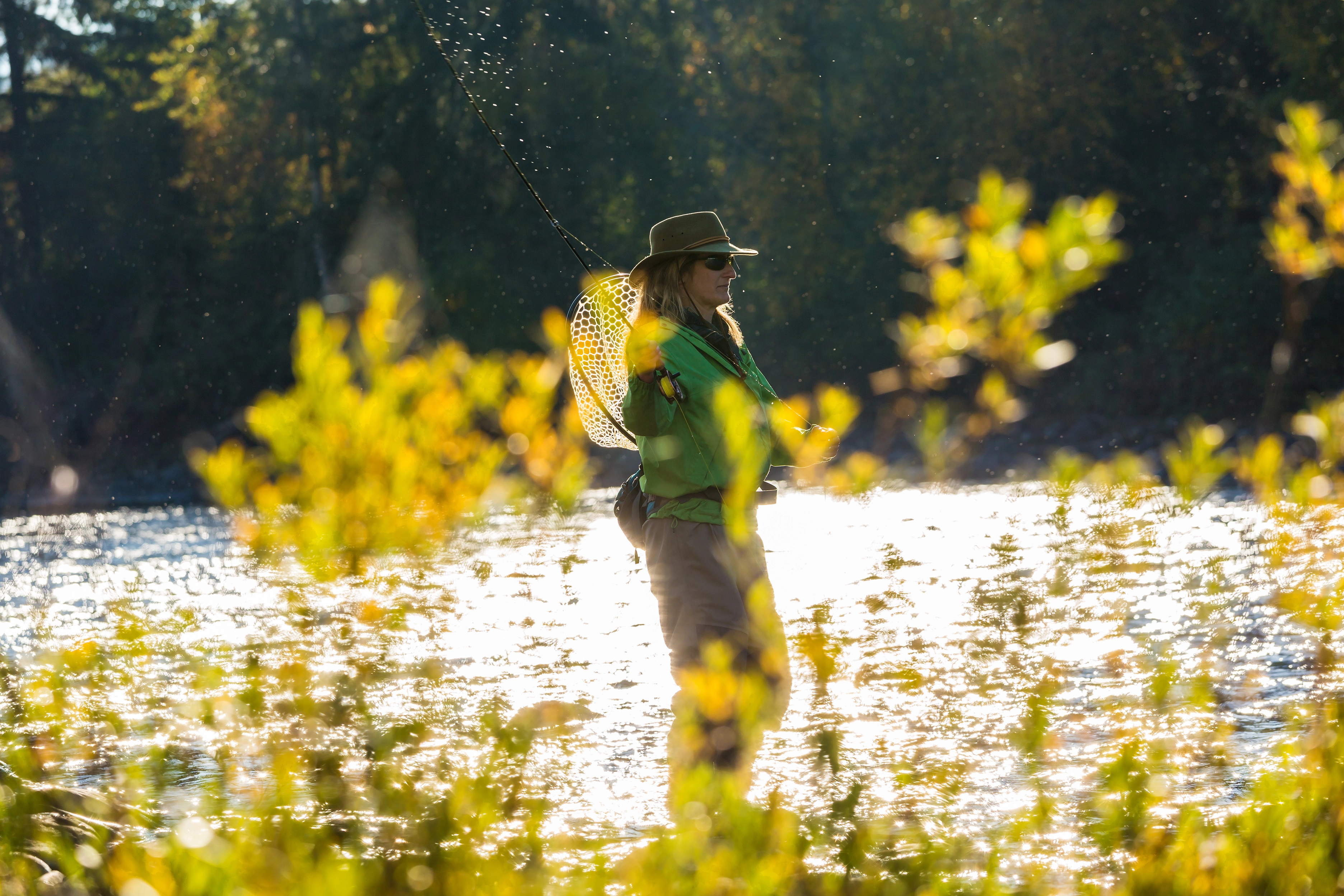
September transforms Idaho's trout waters into an angler's paradise as summer's heat yields to crisp autumn mornings. This transitional month offers some of the year's finest fishing conditions, with BWO hatches picking up steam, terrestrial patterns remaining productive, and fish actively feeding in preparation for winter. From the legendary tailwaters of the Snake River to the spring creeks of Silver Creek, Idaho's diverse fisheries reach peak productivity during this shoulder season.
01Conditions
September delivers ideal fishing conditions across Idaho with stable flows, comfortable temperatures ranging from 45-70°F, and excellent insect activity. Morning temperatures create perfect midge fishing opportunities, while afternoon warming triggers reliable hatches of Blue-Winged Olives and occasional Pale Morning Duns. Water levels have stabilized from summer irrigation demands, providing clearer water and improved wade-fishing access on freestone rivers.
02Top Rivers This Month
- Henry's Fork of the Snake River — Fall BWO hatches are phenomenal with cooler water temperatures triggering consistent afternoon emergences. Fish are actively feeding on RS2 emergers and BWO Comparaduns in the Railroad Ranch section.
- South Fork Snake River — Stable flows and cooling temperatures create perfect streamer fishing conditions. Large brown trout are actively hunting before winter, making Woolly Buggers and sculpin patterns deadly effective.
- Silver Creek — September marks the start of premium dry fly season on this famed spring creek. Consistent water temperatures and emerging attractor patterns make this month ideal for technical presentations.
- Big Wood River — Post-runoff clarity combines with active fall feeding to create exceptional nymph fishing opportunities. Pheasant Tail Nymphs and small beadheads are producing consistently.
03Hatch Report
September's hatch calendar centers around Blue-Winged Olives, which begin their prominent fall emergence cycle across Idaho's waters. Expect size 18-22 BWO duns on cooler, overcast afternoons, particularly on tailwater sections. Mahogany Duns provide sporadic but exciting opportunities on select freestone rivers, while Trico spinners continue their morning displays through mid-month. Terrestrial patterns remain effective, especially Orange Stimulators and hopper imitations during warm afternoon periods. Late-month caddis activity picks up as October Brown Sedges begin emerging on larger rivers.
04Recommended Flies
- RS2 Emerger (BWO) - sizes 18-22
- Woolly Bugger - olive and black, sizes 4-8
- Parachute Adams - sizes 16-20
- Pheasant Tail Nymph - sizes 16-20
05Gear Notes
September demands versatility in Idaho's variable conditions. Pack 4-6 weight rods for most situations, with 5-weight systems providing ideal balance for both dry fly and nymph fishing. Leaders should range from 9-12 feet in 4X-6X, with longer, lighter tippets essential for spooky trout in clear September water. Bring layers for temperature swings from frosty mornings to warm afternoons. A quality indicator system proves invaluable for nymph fishing during slower periods between hatches.
Quick answers
Common questions about Idaho Fly Fishing in September: Autumn Trout Paradise.
What time of day is best for fly fishing in Idaho during September?
Mid-morning through late afternoon offers the most consistent action, with peak BWO hatches typically occurring between 2-5 PM on overcast days. Early mornings can be productive for midge fishing, while evenings often provide excellent terrestrial opportunities before temperatures drop.
Are Idaho's famous spring creeks like Silver Creek fishable in September?
Absolutely - September marks the beginning of prime season on Idaho's spring creeks. Cooler air temperatures create ideal conditions for technical dry fly fishing, with consistent water temperatures maintaining active insect populations throughout the month.
What size BWO patterns work best on Idaho rivers in September?
Focus on sizes 18-22 for both duns and emergers, with size 20 being most versatile. The smaller BWOs that emerge in fall require precise matching, so carry a range from size 18 down to 22 in both dun and emerger patterns.
Should I focus on dry flies or nymphs for September fishing in Idaho?
Both techniques are highly effective, with nymph fishing often more consistent during non-hatch periods. Start with nymph rigs in morning and between hatches, then switch to dry flies when you observe rising fish during BWO emergences.