
April Fly Fishing in California: Complete Guide to Spring Conditions & Hatches
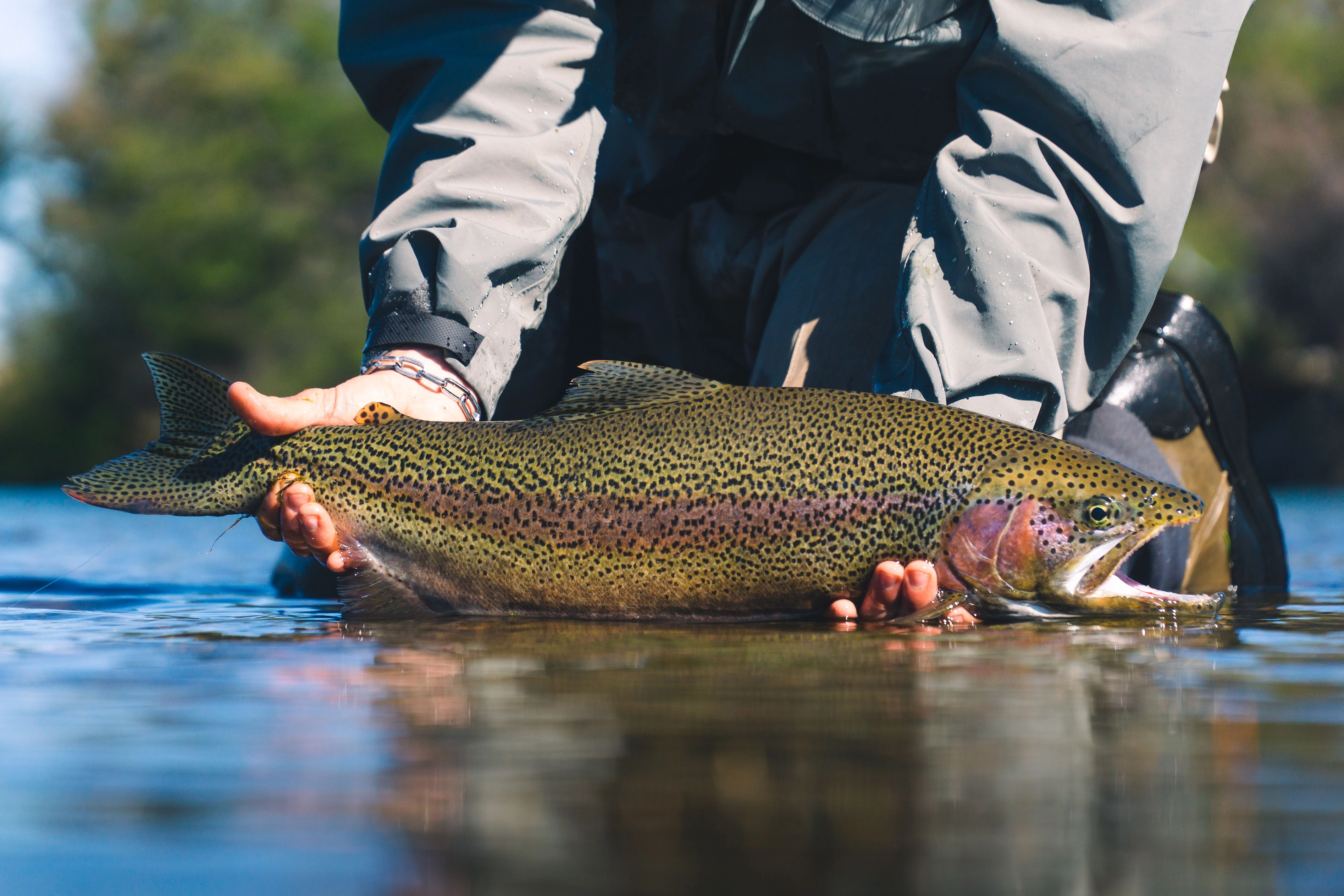
April transforms California's diverse fisheries into a fly angler's paradise. From the tailwater gems of the Lower Sacramento to the alpine beauty of the Eastern Sierra, spring brings exceptional fishing across the Golden State. This month offers some of the year's most productive conditions, with hatches beginning to emerge and trout becoming increasingly active after winter's dormancy.
01Conditions
April delivers ideal fishing conditions throughout California. Water temperatures climb into the optimal 50-60°F range, triggering increased insect activity and aggressive feeding behavior. Snowmelt remains manageable in most regions, maintaining good clarity while providing steady flows. The Woolly Bugger proves deadly during these transitional conditions, imitating everything from leeches to baitfish. Morning temperatures can still be crisp, but afternoon warming creates perfect comfort for extended fishing sessions.
02Top Rivers This Month
- Lower Sacramento River — Prime rainbow trout fishing with excellent water conditions and emerging caddis hatches. Consistent flows and warming temperatures trigger aggressive feeding.
- McCloud River — Wild rainbow trout are highly active with spring snowmelt providing perfect flows. Excellent dry fly opportunities as terrestrials begin appearing.
- Fall River — Spring creek conditions at their finest with prolific mayfly emergences. Clear, cold water and selective trout make for technical but rewarding fishing.
- Owens River — Eastern Sierra gem offers exceptional brown trout fishing as spring conditions bring consistent hatches and rising fish throughout the day.
03Hatch Report
April marks the beginning of California's premier hatch season. BWO emergences become reliable on most waters, particularly during overcast afternoons. Early season caddis activity increases throughout the month, with grannom caddis providing excellent dry fly action. Midge hatches continue strong from winter, especially on tailwaters and spring creeks. Western March Browns begin appearing on freestone rivers, while PMD seasons approach on select waters. Terrestrial activity remains minimal but will increase as temperatures rise.
04Recommended Flies
- Elk Hair Caddis #14-16
- BWO Comparadun #18-20
- Pheasant Tail Nymph #16-18
- Griffith's Gnat #20-22
05Gear Notes
April conditions call for versatile gear setups. A 9-foot 5-weight rod handles most situations perfectly, from nymph fishing deep runs to presenting delicate dry flies during hatches. Leader length becomes critical - extend to 12-15 feet for selective spring creek trout. Pack both floating and intermediate lines, as subsurface presentations often outproduce surface fishing early in the month. Carry a thermometer to monitor water temperatures and time your fishing to the warmest part of the day when insect activity peaks.
Quick answers
Common questions about April Fly Fishing in California: Complete Guide to Spring Conditions & Hatches.
What time of day produces the best fishing in California during April?
Late morning through afternoon typically offers the best action as water temperatures warm and trigger insect hatches. Focus on 11 AM to 4 PM when BWO emergences and caddis activity peak on most California waters.
Are California's high elevation waters fishable in April?
Most high country lakes and streams remain snow-covered or just beginning to open in April. Stick to lower elevation waters like the Sacramento system, coastal streams, and Eastern Sierra rivers below 6,000 feet for the best conditions.
How do April water levels affect fishing success in California?
April typically provides excellent water levels across California - not yet affected by heavy snowmelt but benefiting from winter precipitation. This creates ideal clarity and moderate flows perfect for both nymph and dry fly fishing.
What makes April special for California trout fishing compared to other months?
April represents the sweet spot between winter's challenging conditions and summer's difficult low, warm water. Trout are actively feeding after winter, hatches are becoming predictable, and crowds remain light before peak season begins.