
Idaho Fly Fishing in November: Late-Season Trout Strategies
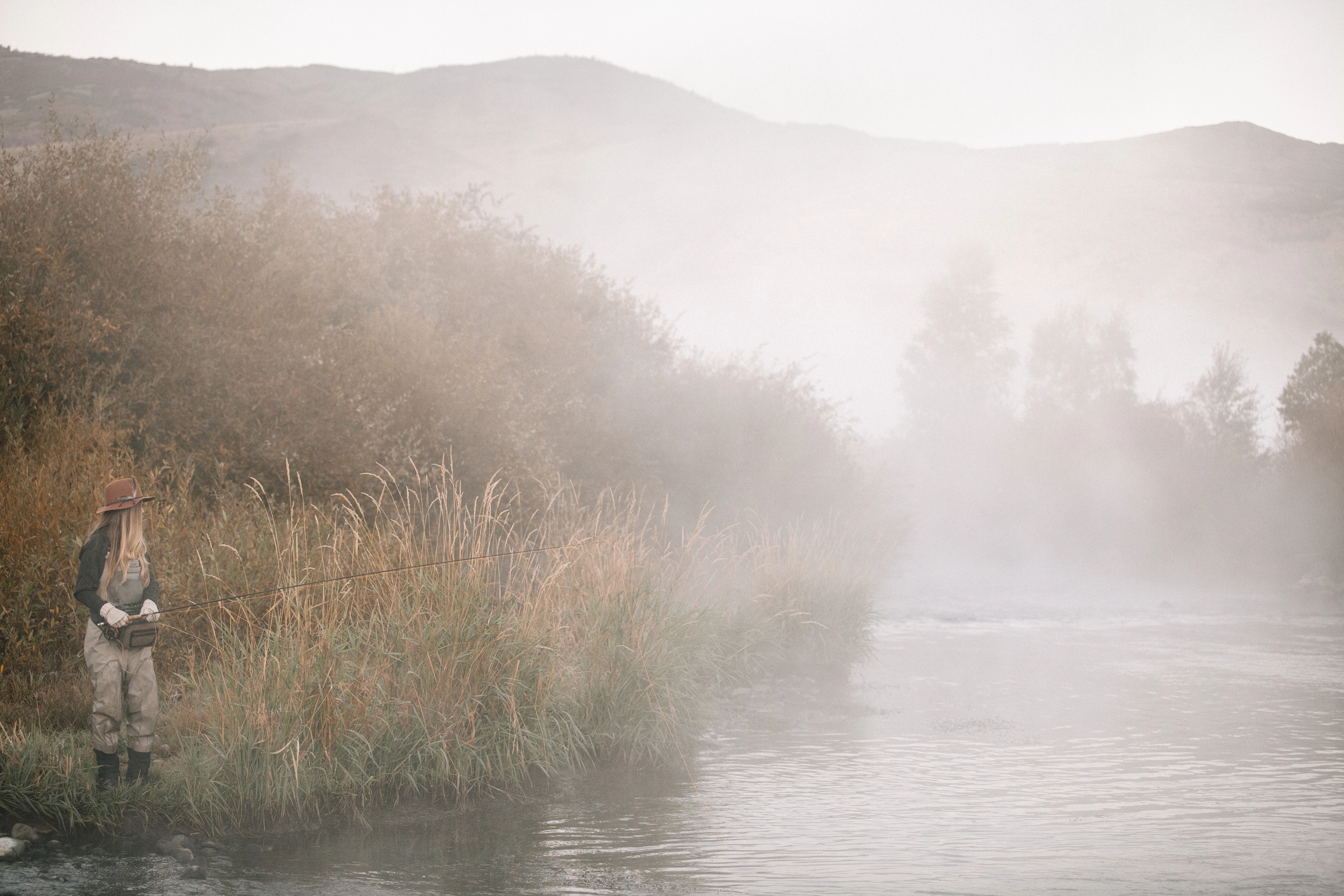
November transforms Idaho's world-class trout waters into challenging yet rewarding fisheries as temperatures drop and trout patterns shift dramatically. While many anglers hang up their rods, those willing to brave the cold often find the season's most rewarding fishing. Idaho's legendary rivers like the South Fork Snake, Henry's Fork, and Big Wood transition from autumn abundance to winter solitude, offering skilled anglers exceptional opportunities for large, less-pressured trout. Success in November requires adapting tactics, focusing on thermal refuges, and understanding how dropping temperatures affect both trout behavior and insect activity across Idaho's diverse aquatic ecosystems.
01Conditions
November in Idaho brings significant changes to fishing conditions as air temperatures regularly drop below freezing and water temperatures settle into the 30s and low 40s. Tailwater fisheries maintain more stable temperatures than freestone streams, making them prime destinations during this transitional month. Daylight hours shrink dramatically, with peak fishing windows typically occurring between 11 AM and 3 PM when temperatures peak. Ice formation begins on slower waters and backwaters, though main channels of major rivers remain fishable. Trout metabolism slows considerably, requiring anglers to fish slower presentations with longer pauses. Weather systems can change rapidly, bringing sudden temperature drops, snow squalls, or brief warming periods that dramatically affect fishing success.
02Top Rivers This Month
- South Fork Snake River — Maintains consistent flows and temperatures from upstream reservoirs, offering reliable midge emergences and steady trout feeding in deeper pools and tailwater sections throughout November.
- Henry's Fork (Lower) — Benefits from stable spring creek characteristics and warmer groundwater inputs, providing consistent BWO hatches and active rainbow trout feeding during midday temperature peaks.
- Big Wood River (Hailey to Bellevue) — Lower elevation reaches remain ice-free while offering excellent brown trout opportunities as fish move into spawning positions and feed aggressively before winter dormancy.
- Boise River (Lower) — Urban heat island effects and lower elevation keep this fishery productive through November, with excellent smallmouth bass and trout fishing during afternoon temperature windows.
03Hatch Report
November insect activity in Idaho centers around cold-weather attractor patterns and sparse but predictable emergences. Midge activity becomes the primary focus, with size 18-22 patterns producing best results during the warmest part of each day. Small Blue-Winged Olives may still emerge on warmer afternoons, particularly on spring creeks and tailwater sections. Terrestrial activity ceases almost entirely, though occasional late-season crane flies may appear on milder days. Caddis larvae become increasingly important as nymphing targets, particularly in riffled sections where they remain active throughout winter. Stonefly nymphs reach full size in preparation for spring emergences, making large nymph patterns effective for targeting trophy trout.
04Recommended Flies
05Gear Notes
November fishing in Idaho demands cold-weather preparation and modified tackle approaches. 5-6 weight rods excel for most situations, providing sufficient backbone for larger late-season trout while maintaining sensitivity for detecting subtle takes in frigid water. Leaders should be lengthened to 10-12 feet to account for clearer water conditions, with 6X-7X tippet for selective trout. Strike indicators become crucial as takes grow increasingly subtle in cold water. Neoprene waders with insulation are essential, paired with quality wading boots featuring carbide studs for icy conditions. Hand warmers, insulated gloves with fingertip access, and quality layering systems ensure comfort during extended sessions. Carry a thermos for hot beverages and consider portable shelters for extended nymphing sessions.
Quick answers
Common questions about Idaho Fly Fishing in November: Late-Season Trout Strategies.
What are the best times to fish Idaho rivers in November?
Focus fishing efforts between 11 AM and 3 PM when air temperatures peak and water temperatures reach their daily maximum. Trout feeding activity increases significantly during these warmer afternoon windows, particularly on sunny days when surface water temperatures rise even slightly.
How should I adjust my nymphing technique for November conditions in Idaho?
Slow your presentations dramatically and extend your drifts, as trout metabolism decreases significantly in cold water. Use longer leaders (10-12 feet) and lighter tippets, and be prepared for extremely subtle takes that may feel like barely perceptible line hesitations.
Which Idaho waters remain most productive during November?
Focus on <a href='/glossary/tailwater'>tailwater</a> fisheries like the South Fork Snake and lower Henry's Fork, which maintain more stable temperatures from upstream releases. Spring creek sections and lower elevation rivers also remain more productive than high-mountain freestone streams.
What safety considerations are critical for November fly fishing in Idaho?
Ice formation begins on slower water sections, creating slippery wading conditions that require carbide-studded boots. Weather can change rapidly with little warning, so carry emergency gear, inform others of your plans, and be prepared for sudden temperature drops or snow squalls.