
Idaho Fly Fishing in March: Early Season Trout Tactics
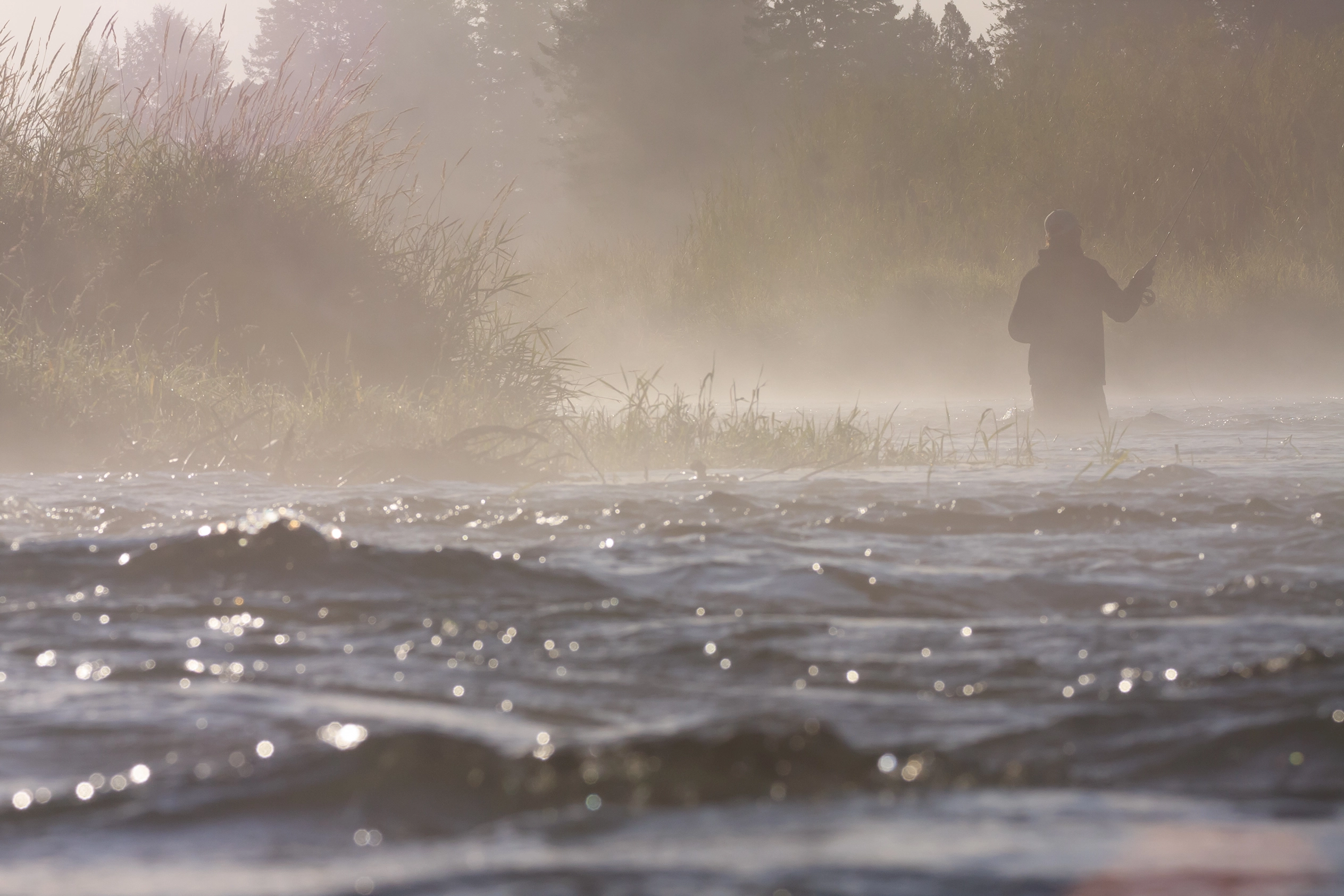
March marks the beginning of Idaho's legendary fly fishing season, as winter's grip loosens on the state's renowned trout waters. While snow still caps the Sawtooth and Bitterroot ranges, tailwaters like the South Fork of the Snake River begin to stir with activity, and hardy anglers discover some of the year's most rewarding fishing. This transitional month offers unique opportunities for those willing to brave cool temperatures and variable conditions, with less crowded waters and hungry trout emerging from winter's dormancy.
01Conditions
March conditions across Idaho vary dramatically by elevation and water type. Tailwater fisheries typically offer the most consistent fishing, with stable flows and temperatures hovering in the high 30s to mid-40s. Freestone streams remain largely locked in winter's grip, though some lower elevation sections may begin to fish well during warm spells. Snow melt hasn't begun in earnest, keeping most rivers clear but cold. Anglers should expect air temperatures ranging from the teens in early morning to the 50s on sunny afternoons, making layered clothing and flexibility essential.
02Top Rivers This Month
- South Fork Snake River — March offers excellent Mysis Shrimp and scud fishing with stable flows and emerging insect activity. Early midge hatches provide dry fly opportunities on warmer afternoons.
- Silver Creek — This famous spring creek maintains consistent temperatures year-round, making March an ideal time for technical fishing with minimal crowds. Early BWO emergences begin appearing.
- Big Wood River — The lower sections fish well in March with good Pheasant Tail Nymph opportunities and occasional warming trends that trigger surface activity.
03Hatch Report
March insect activity in Idaho focuses primarily on midges and early Blue-Winged Olives. Midge emergences occur throughout the day on most waters, with peak activity during the warmest afternoon hours. Size 20-24 Griffith's Gnat patterns work exceptionally well during these hatches. BWO emergences typically begin in earnest during the latter half of March, particularly on overcast days with stable barometric pressure. RS2 emergers and BWO Comparaduns become essential patterns as these mayflies begin their seasonal cycle. Aquatic worms and Mysis shrimp remain active in tailwater systems, providing consistent subsurface opportunities.
04Recommended Flies
- Mysis Shrimp (#16-18)
- Pheasant Tail Nymph (#16-20)
- RS2 (#18-20)
- Griffith's Gnat (#20-24)
05Gear Notes
March fishing in Idaho demands versatility and preparation for changing conditions. A 9-foot, 5-weight rod provides the backbone needed for long casts and nymph rigs while maintaining delicacy for emerging dry fly opportunities. Pack a selection of tippet from 4X to 6X, as water clarity remains high and fish can be selective. Indicator rigs with split shot work well for deep nymphing, while Euro nymphing techniques excel in the clear, cold water. Layered clothing is crucial—start with merino wool base layers, add insulating layers, and top with a windproof shell. Quality waders and boots with aggressive treads are essential, as rocks remain slippery from winter conditions.
Quick answers
Common questions about Idaho Fly Fishing in March: Early Season Trout Tactics.
What are the best times to fish Idaho waters in March?
The warmest part of the day, typically 11 AM to 4 PM, offers the most consistent action as both air and water temperatures peak. <a href='/glossary/midge'>Midge</a> hatches often coincide with these warmer periods, creating excellent surface opportunities.
Should I focus on nymphing or dry flies in March?
Subsurface fishing dominates March conditions, with nymphing accounting for 80-90% of success. However, keep dry flies handy for emerging <a href='/glossary/hatch'>hatch</a> opportunities, especially during warm, overcast afternoons when BWOs begin to emerge.
Which Idaho rivers are most accessible in March?
<a href='/glossary/tailwater'>Tailwater</a> fisheries like the South Fork Snake River and spring creeks such as Silver Creek remain accessible year-round. Many freestone streams remain snow-locked or ice-covered, particularly at higher elevations throughout the state.
How do I handle the cold water temperatures effectively?
Focus on slow, methodical presentations as trout metabolism remains sluggish in 35-45°F water. Use smaller flies fished deeper with longer <a href='/glossary/dead-drift'>dead drifts</a>, and don't rush your retrieve or presentation speed.