
February Fly Fishing in Idaho: Complete Winter Angling Guide
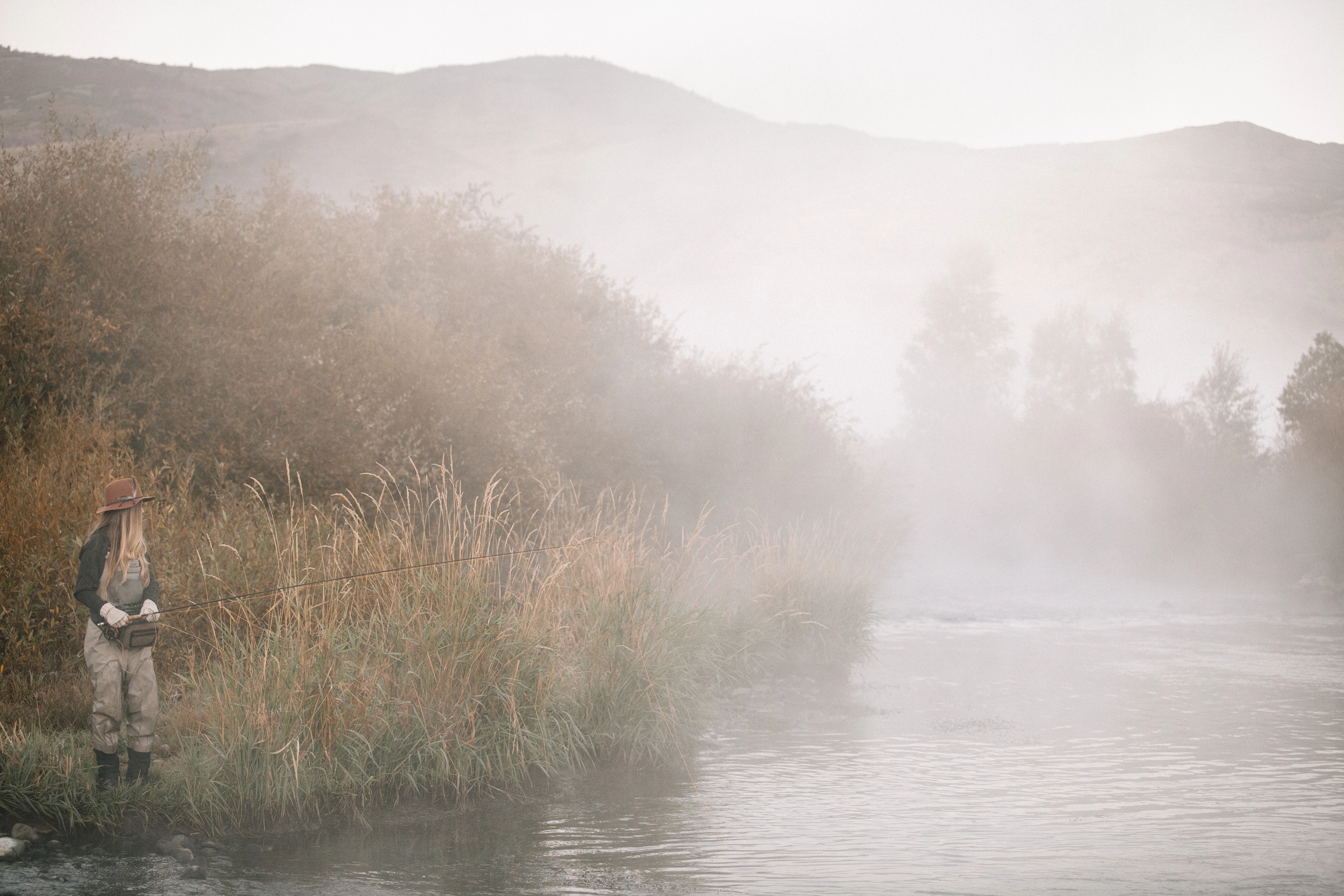
February fly fishing in Idaho transforms the state's legendary waters into a different kind of angling experience. While snow blankets the high country and many freestone waters run low, Idaho's premier tailwater fisheries like the South Fork of the Snake River below Palisades Dam provide consistent winter opportunities. The cold-water trout remain active, feeding primarily on midges, small nymphs, and the occasional winter stonefly. February rewards anglers who understand winter feeding patterns and can adapt their techniques to cold-water conditions.
01Conditions
February in Idaho brings average daytime temperatures ranging from 25-35°F in most trout waters, with overnight lows often dropping below 10°F. River flows remain low and clear on most systems, though tailwaters maintain more consistent temperatures due to dam releases. Ice formation occurs along slack water areas and back eddies, particularly during extended cold snaps. Snow depths vary dramatically across elevations, with valley floors holding 6-18 inches while high mountain areas accumulate several feet. Prime fishing windows occur during midday warming periods, typically 11 AM to 3 PM when air temperatures peak and insect activity increases.
02Top Rivers This Month
- South Fork Snake River — Consistent dam releases maintain ice-free conditions and steady temperatures. Midges hatch regularly during warm afternoons, and rainbow and brown trout feed actively in deeper pools and slower runs.
- Henry's Fork (lower sections) — The Railroad Ranch and Harriman sections offer open water with good midge activity. Brown trout concentrate in deeper holes and respond well to small nymphs fished slowly along bottom structure.
- Boise River (lower) — Urban sections remain largely ice-free due to warmer valley temperatures. Mountain whitefish and resident rainbows feed on midges and small aquatic worms throughout the day.
03Hatch Report
February's insect activity centers almost exclusively around midges (Chironomidae), with peak emergence occurring during the warmest part of sunny days. Size 18-22 black, gray, and olive midge pupae prove most effective, fished dead-drift in slow water or tailouts. Baetis mayflies occasionally emerge on warmer days above 40°F, making size 20-22 BWO patterns worthwhile additions to the fly box. Winter stoneflies begin showing signs of activity in preparation for March emergence, though actual hatches remain minimal.
04Recommended Flies
- Iced Out Midge PupaHeader
- Pheasant Tail NymphHeader
- RS2
- Woolly Bugger
05Gear Notes
February conditions demand specialized winter gear and techniques. Use 6-7 weight rods to cut through occasional wind and handle larger streamers effectively. Floating lines work for most situations, though a sink-tip helps get Woolly Buggers down in deeper pools. Extend leaders to 12-15 feet with 5X-6X tippet for midging situations. Pack hand warmers, waterproof gloves, and ice-off spray for guides. Waders with good insulation are essential - neoprene or breathable waders with thermal layers underneath. Carry a thermometer to monitor water temperatures, as trout activity increases significantly when water temps rise above 35°F.
Quick answers
Common questions about February Fly Fishing in Idaho: Complete Winter Angling Guide.
What are the best times to fish Idaho waters in February?
Focus on midday periods from 11 AM to 3 PM when air temperatures peak and midge activity increases. Early morning and evening fishing proves less productive due to extremely cold temperatures that reduce both insect activity and trout metabolism.
Which Idaho rivers remain fishable throughout February?
The South Fork Snake River below Palisades Dam, lower Henry's Fork sections, and lower Boise River offer the most consistent fishing opportunities. These waters benefit from dam releases or lower elevation locations that prevent extensive ice formation.
How should I adjust my presentation for winter trout in Idaho?
Fish much slower with longer <a href="/glossary/dead-drift">dead drifts</a> and smaller flies than in warmer months. Use light tippets and focus on deeper pools where trout concentrate to conserve energy in cold water.
What safety precautions are essential for February fishing in Idaho?
Always fish with a partner, carry emergency supplies including shelter and fire-starting materials, and inform others of your fishing plans. Ice can form rapidly on guides and wading can be treacherous in freezing conditions.